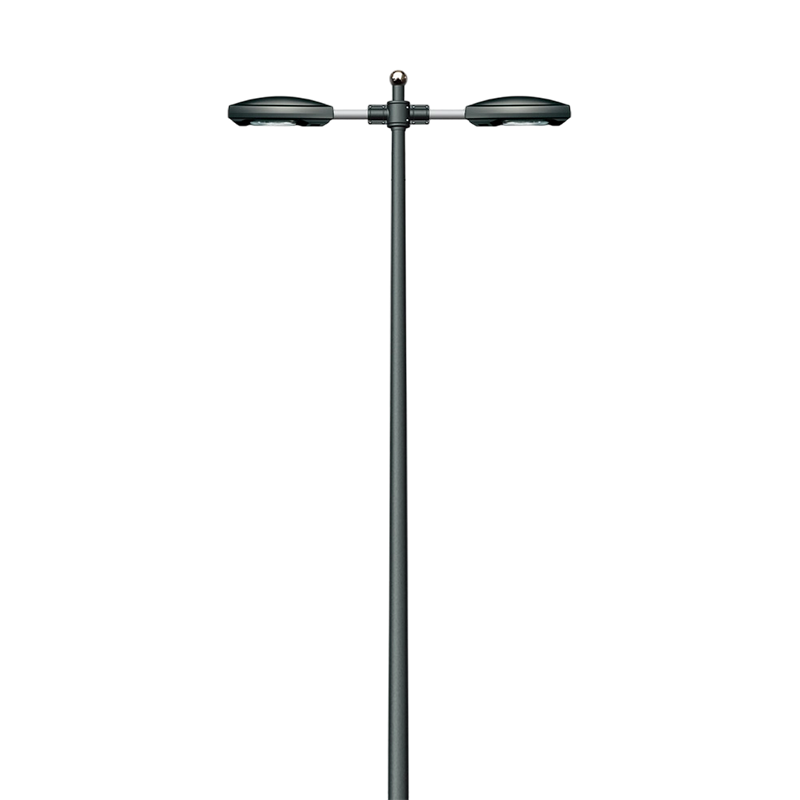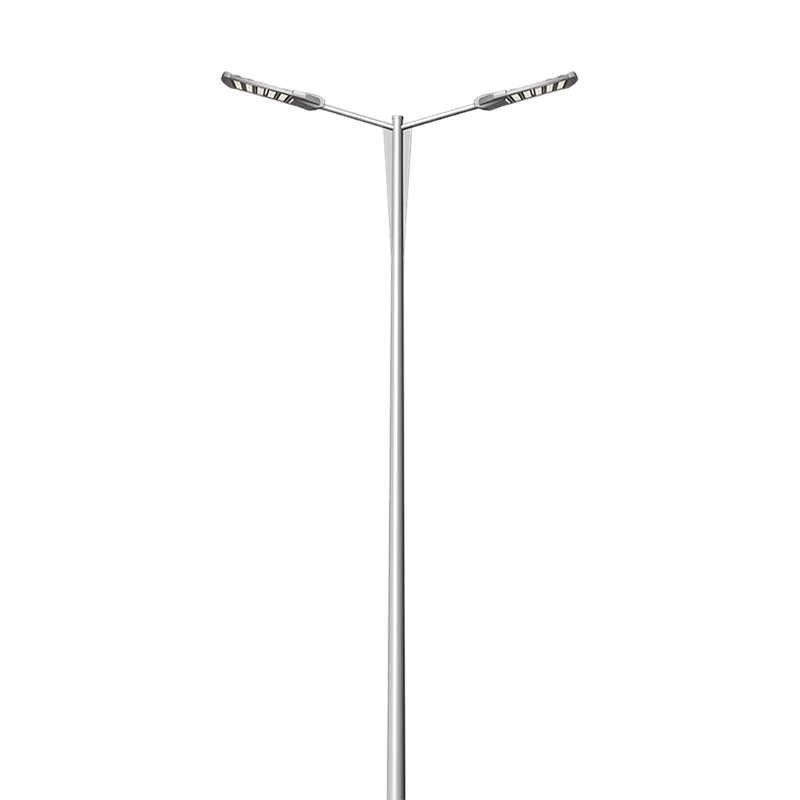



JINYUAN
JINYUAN
JINYUAN
JINYUAN
JINYUAN
JINYUAN
JINYUAN
JINYUAN
JINYUAN
JINYUAN
JINYUAN
JINYUAN
JINYUAN
JINYUAN
JINYUAN
JINYUAN
Content
- 1 1. A Lighting Concept for Architecture, Culture, and Urban Identity
- 2 2. High-Efficiency LED Technology for Road and Pathway Illumination
- 3 3. Technical Specifications at a Glance
- 4 4. Dimming and Smart Lighting Compatibility
- 5 5. Durable Materials for Outdoor Infrastructure
- 6 6. Pole Engineering and Structural Customization
- 7 7. Advanced Manufacturing Processes
- 8 8. Quality and Production Capacity
- 9 9. Maintenance-Oriented Design
- 10 10. Advantages Compared with Conventional Alternatives
- 10.1 10.1 Stronger architectural integration than standard industrial luminaires
- 10.2 10.2 More practical roadway performance than purely decorative lamps
- 10.3 10.3 Better control of spill light than broad, uncontrolled distribution
- 10.4 10.4 Greater configuration flexibility
- 10.5 10.5 Improved control readiness
- 10.6 10.6 Integrated manufacturing support
- 11 11. Project Design and Specification Considerations
- 12 12. Design, Customization, and Project Services
- 13 13. Manufacturing Location and Company Capability
- 14 14. Applications in Different Urban Environments
- 15 15. Installation and Commissioning Recommendations
- 16 16. Maintenance and Warranty Support
- 17 17. Sustainability and Responsible Infrastructure
- 18 18. Procurement Checklist for Buyers
- 19 19. Frequently Asked Questions
- 19.1 Q1. What type of product is the Neo-Chinese Classical Rhythmic LED Road Light?
- 19.2 Q2. What makes this product different from a standard LED street light?
- 19.3 Q3. What is the lamp luminous efficiency?
- 19.4 Q4. What input voltage does the light support?
- 19.5 Q5. Can the product be dimmed?
- 19.6 Q6. What color temperatures are available?
- 19.7 Q7. Is the luminaire suitable for outdoor use?
- 19.8 Q8. What materials are used for the luminaire and pole?
- 19.9 Q9. What pole heights are available?
- 19.10 Q10. Is the antique-style finish customizable?
- 19.11 Q11. How is maintenance performed?
- 19.12 Q12. Does the manufacturer support structural design?
- 19.13 Q13. Can the product be used in a smart city project?
- 19.14 Q14. What quality and manufacturing capabilities does the supplier have?
- 19.15 Q15. What is the warranty period?
- 20 20. Conclusion
- 21 References
- 22 Product: Neo-Chinese Classical Rhythmic LED Road Light
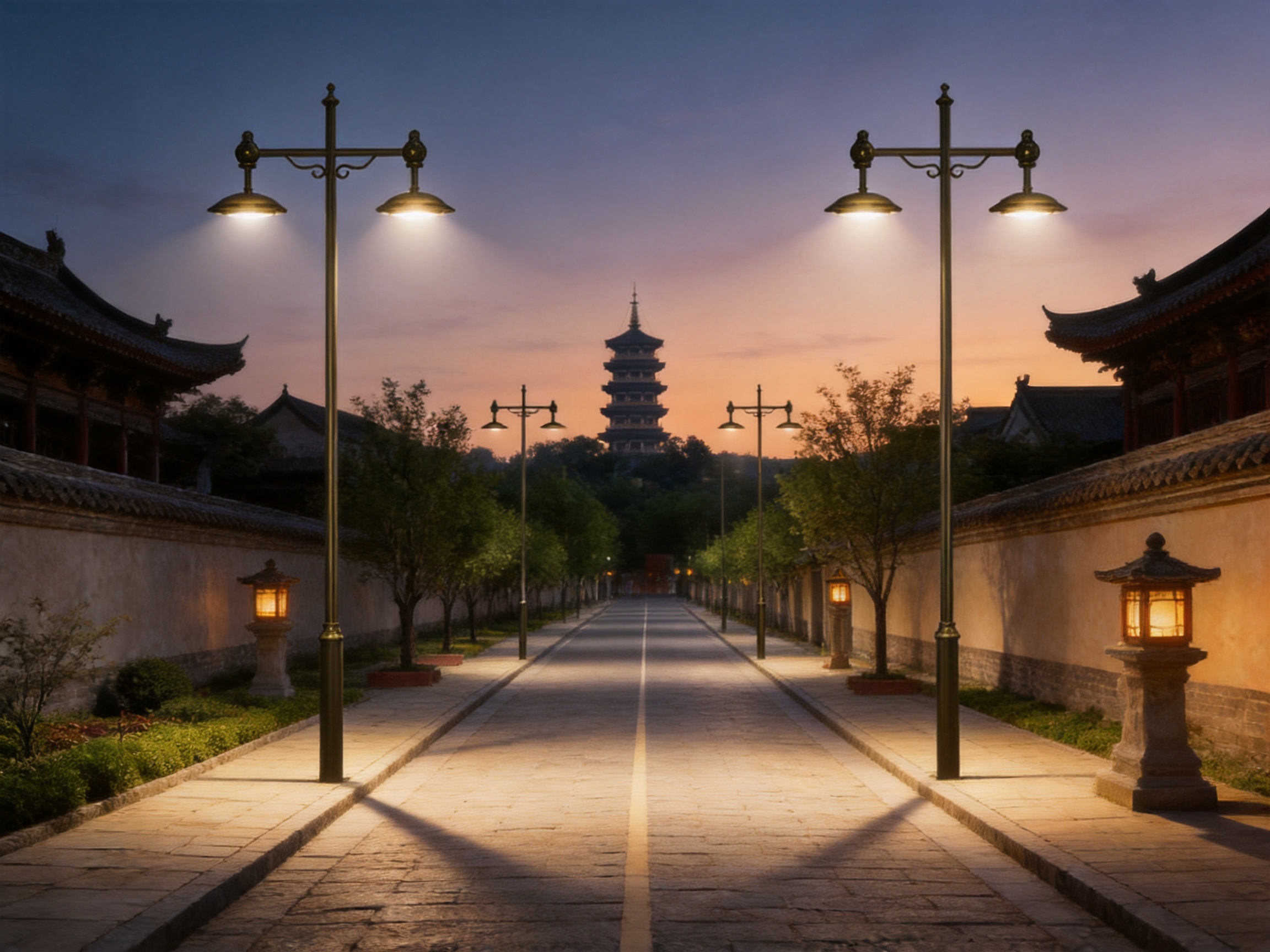
Lighting in a historical district, cultural tourism area, premium residential development, or distinctive urban avenue must do more than provide basic visibility. It must support safety, reinforce the identity of a place, complement surrounding architecture, and perform reliably through changing weather conditions. The Neo-Chinese Classical Rhythmic LED Road Light is designed for precisely this combination of requirements. It brings together traditional Chinese architectural inspiration, contemporary LED efficiency, carefully controlled optical distribution, durable materials, and maintenance-oriented engineering.
Unlike conventional roadway luminaires that often prioritize function while giving limited attention to visual character, this LED double-arm light is conceived as part of the streetscape. Its pole and luminaire head are designed to work together as a coordinated architectural element. The result is a lighting system that can provide road and pedestrian illumination while contributing to the cultural atmosphere and landscape value of the project.
The system is manufactured by Yangzhou Jinyuan Lamps Co., Ltd., a professional road illumination producer with experience in street light poles, LED street lights, solar street lights, lighting fixtures, and related engineering products. The company combines product design, structural manufacturing, lighting production, quality control, and project support, allowing customers to obtain more than an individual lamp. They can receive a coordinated lighting solution adapted to the appearance, performance, and installation requirements of a complete project.
1. A Lighting Concept for Architecture, Culture, and Urban Identity
Road lighting is often evaluated through technical indicators such as power consumption, luminous efficiency, ingress protection, and service life. These factors remain essential, but projects in historical or high-value visual environments require additional considerations. The proportions of the pole, the shape of the lamp head, the finish, the relationship between the light fixture and nearby buildings, and the character of the illumination all affect the success of the installation.
The Neo-Chinese Classical Rhythmic LED Road Light addresses these requirements through a design language inspired by traditional Chinese architectural aesthetics. Its appearance is intended to express cultural continuity without reproducing an outdated lighting system. Decorative elements are integrated with modern structural methods and LED technology, creating a product that can harmonize with classical buildings while still meeting contemporary roadway requirements.
This approach provides an advantage over ordinary utilitarian street lights. A standard fixture may deliver acceptable illumination but appear visually disconnected from a heritage street, landscaped entrance, cultural park, or traditional-style commercial area. A highly decorative fixture, on the other hand, may create visual appeal but lack the optical control, durability, and maintenance access expected from a modern roadway luminaire. The Neo-Chinese Classical Rhythmic design seeks to balance these two priorities.
The product is particularly suitable for historical districts, cultural tourism developments, landscape paths, premium urban avenues, municipal beautification projects, traditional-style resorts, public squares, and streets where lighting is expected to contribute to the identity of the location. It can also be considered for new developments that use Chinese classical design principles as part of their architectural planning.
1.1 Integrating the pole and luminaire head
A common weakness in decorative lighting projects is the use of a visually attractive pole combined with a generic luminaire head. Even when the individual parts are well made, the complete installation may appear inconsistent. This product family is developed with closer visual coordination between the pole, supporting arms, and luminaire head. The lighting equipment therefore becomes a more unified streetscape feature.
The double-arm configuration can be used to illuminate two sides of a road, a central roadway, a broad avenue, or a space where balanced visual composition is important. Depending on project planning, the arrangement can support symmetrical illumination and a regular rhythm along the route. The pole height range of 6 to 10 meters allows designers and engineers to select a suitable scale for different road widths and environmental conditions.
1.2 Decorative appearance without sacrificing structural purpose
The classical appearance is not treated as a surface decoration added after the engineering process. The structural design, pole fabrication, luminaire housing, coating, and installation method must work together. The product is therefore intended to provide an architectural impression while remaining suitable for outdoor infrastructure applications.
High-grade aluminum is used for the lamp housing through precision die-casting. Aluminum provides a useful combination of low weight, corrosion resistance, heat dissipation capability, and manufacturing flexibility. Precision die-casting also supports repeatable forms and consistent dimensional quality, which is particularly important when the product includes curved, decorative, or integrated visual features.
The specialized antique-style coating gives the luminaire a refined, heritage-oriented appearance. It can help the fixture relate visually to traditional construction materials, landscaped surroundings, and classical urban design themes. At the same time, the coating forms part of the product’s protection against outdoor exposure and corrosion. Color and finish customization can be discussed during project design so that the lighting system is coordinated with the surrounding architecture.
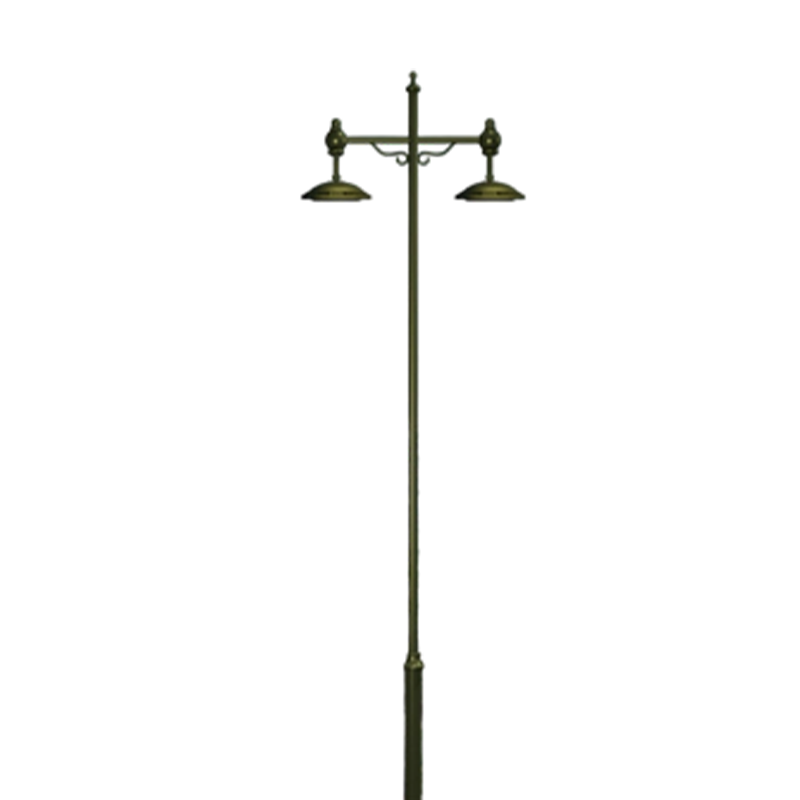
Neo-Chinese Classical Rhythmic LED Road Light
2. High-Efficiency LED Technology for Road and Pathway Illumination
The Neo-Chinese Classical Rhythmic LED Road Light uses LED as its light source and provides a stated lamp luminous efficiency of up to 140 lumens per watt. This performance allows the system to produce substantial illumination with a comparatively efficient use of electrical energy. For municipal and commercial projects, improved efficiency can contribute to lower operating costs, reduced energy demand, and more sustainable long-term lighting management.
LED technology also offers several practical advantages over older roadway light sources. It supports directional optical control, rapid start-up, stable operation, long-term energy efficiency, and flexible color temperature selection. Because LED modules can be designed around a specific optical pattern, the luminaire can direct more of its light toward the roadway and pedestrian area instead of distributing light unnecessarily into the sky or adjacent properties.
The available color temperature range is 3000K to 6000K. This provides flexibility for different project goals. Warmer color temperatures can support a more welcoming, historic, or landscape-oriented atmosphere, while cooler settings may be selected for applications where a brighter and more contemporary visual environment is preferred. Final selection should be based on the project’s architectural palette, road classification, visual comfort requirements, and local lighting regulations.
The listed color rendering index is Ra 70. This level is suitable for many roadway and public-area applications where general recognition of objects, road users, and environmental features is required. For projects with specific requirements for architectural color presentation, retail display, art environments, or tourism photography, the lighting designer can review the application and confirm whether the standard configuration is appropriate.
2.1 Asymmetric light distribution
One of the most important performance features of a roadway luminaire is the ability to place light where it is needed. The product uses deeply optimized asymmetric light distribution technology to control the projection direction. Instead of sending light equally in every direction, the optical system can be arranged to support the geometry of the road, sidewalk, pathway, or open public area.
Asymmetric distribution is valuable because roads and paths are rarely located directly beneath the center of a luminaire. The fixture may be installed at the side of a road, on a central pole, or along one edge of a pedestrian route. An appropriately selected optical pattern can extend illumination across the required area while limiting excessive light beyond the intended boundary.
This directional approach may help reduce glare, improve visual comfort, and minimize spill light toward nearby residences or sensitive areas. It also supports a more efficient relationship between mounting height, pole spacing, and required illuminance. Final photometric results depend on wattage, mounting position, pole spacing, road width, surface reflectance, and local standards, so a project-specific lighting calculation remains necessary.
2.2 Soft and consistent visual performance
In cultural and landscape projects, the quality of the visual experience is as important as the numerical illumination level. Harsh contrast, visible glare, or irregular bright spots can weaken the atmosphere of a historic street. The luminaire is designed to provide consistent and soft illumination while maintaining practical roadway performance.
Consistent illumination benefits drivers, cyclists, pedestrians, and security personnel. It can make changes in pavement level, roadway edges, landscaping, and crossing areas easier to recognize. When the light is distributed more evenly, the eye does not need to adapt repeatedly between highly bright and poorly lit sections. This contributes to a calmer and more comfortable nighttime environment.
Compared with decorative fixtures that rely heavily on appearance but provide limited optical engineering, this product emphasizes both the visual form and the functional light distribution. Compared with plain industrial fixtures, it offers a stronger architectural relationship without abandoning modern LED control.
3. Technical Specifications at a Glance
The following table summarizes the principal product information supplied for the Neo-Chinese Classical Rhythmic LED Road Light. Project-specific configurations, photometric files, electrical details, and pole designs should be confirmed before ordering.
| Item | Specification | Project Significance |
|---|---|---|
| Product category | LED Double-arm Light | Suitable for coordinated two-sided or symmetrical roadway illumination |
| Brand | Jinyuan | Manufacturer product identification |
| Application | Road | Designed for roadway and related public-area lighting |
| Input voltage | AC 85–265 V | Wide input range for compatible electrical systems |
| Light source | LED | Efficient, directional, and controllable light generation |
| Operating temperature | -35 to 65°C | Supports use across a broad outdoor temperature range |
| Lamp housing material | Aluminum alloy | Lightweight, durable, and suitable for heat dissipation |
| Ingress protection | IP65 | Protection against dust ingress and water jets from applicable directions |
| Lamp luminous efficiency | 140 lm/W | Supports energy-conscious roadway illumination |
| Color temperature | 3000K–6000K | Allows warm to cool lighting selections |
| Color rendering index | Ra 70 | Suitable for general road and public-area visibility |
| Dimming support | DC 0–10 V / DALI | Enables integration with compatible control systems |
| Warranty period | 5 years | Provides stated warranty coverage for the specified product |
| Pole material | Q235, Q355, SS400, GR65, and others | Allows structural material selection for project requirements |
| Pole height | 6–10 m | Provides options for different road and streetscape scales |
4. Dimming and Smart Lighting Compatibility
Modern road lighting increasingly requires more than simple on-and-off control. Municipalities and property operators may want to reduce output during low-traffic periods, coordinate lighting with a central management platform, respond to seasonal schedules, or create different operating modes for roads, pedestrian areas, and special events.
The Neo-Chinese Classical Rhythmic LED Road Light supports DC 0–10 V and DALI dimming. These interfaces provide a foundation for integration with compatible lighting control systems. A project may use scheduled dimming to reduce energy consumption during periods of lower activity, or it may apply different brightness levels according to traffic, pedestrian movement, weather, or security requirements.
Dimming also helps preserve the intended visual character of a cultural or landscape environment. A historical street may require a gentle nighttime atmosphere after commercial activity ends, while a roadway may need higher output during peak movement periods. With suitable control equipment and commissioning, the same installation can support several operating conditions without replacing the fixtures.
It is important to distinguish between dimming support and a complete smart lighting network. The lamp provides compatible control interfaces, while sensors, controllers, gateways, communication protocols, software, and network design depend on the overall project. System integrators should confirm compatibility among the LED driver, dimming controller, central management platform, and local electrical infrastructure.
4.1 Energy management benefits
Energy savings from a road lighting project depend on several factors, including the selected lamp power, operating schedule, pole spacing, dimming strategy, maintenance condition, and local electricity costs. The combination of high luminous efficiency and controllable output can provide an opportunity to reduce energy use compared with fixed-output systems or older light sources.
Lower energy consumption can also reduce the heat generated by the installation and decrease the environmental impact associated with electricity production. When combined with accurate photometric planning, scheduled dimming, and preventive maintenance, the product can contribute to a more responsible municipal lighting program.
5. Durable Materials for Outdoor Infrastructure
Outdoor lighting equipment must withstand rain, dust, temperature changes, ultraviolet exposure, wind loading, and long periods of operation. Decorative products face an additional challenge: the finish must remain visually attractive while the underlying structure continues to perform reliably.
The lamp housing is made from aluminum alloy and produced through precision die-casting. Aluminum alloy is widely used in professional luminaires because it combines structural strength with relatively low weight. Its thermal properties also support the management of heat generated by the LED and driver. Effective heat dissipation is important because excessive operating temperature can affect LED performance, driver reliability, and long-term maintenance requirements.
The IP65 rating indicates protection against dust ingress and water jets under applicable test conditions. This makes the luminaire suitable for many outdoor road and pathway environments. However, IP protection is only one part of a complete outdoor design. Installation must also include suitable cable glands, correctly sealed access panels, proper drainage considerations, and compliance with local electrical practices.
The stated operating temperature range of -35 to 65°C supports use in a wide variety of climates. Actual installation suitability should be evaluated with regard to direct solar exposure, enclosure ventilation, local humidity, snow, coastal salt, industrial pollution, and other environmental factors. In locations with severe corrosion risks, the coating system, fasteners, pole treatment, and maintenance schedule should be specified accordingly.
5.1 Antique-style coating and corrosion resistance
The antique-style coating is an important part of the product’s visual concept. It is intended to provide a mature, refined appearance that can sit comfortably beside classical buildings, stone paving, ornamental landscaping, and traditional urban elements. Unlike a temporary decorative layer, a properly prepared and applied coating system also serves to protect the housing from outdoor exposure.
Coating performance depends on surface preparation, coating formulation, application conditions, film thickness, curing, transportation, and installation handling. The manufacturer’s production capabilities include powder electrostatic painting equipment and processes intended to support consistent finishing quality. For projects located near the sea, in heavily polluted industrial areas, or in regions with high humidity, customers should request a coating and corrosion-protection specification appropriate to the site.
6. Pole Engineering and Structural Customization
The pole is not merely a support for the luminaire. It determines mounting height, arm geometry, wind exposure, foundation loads, visual proportions, cable routing, maintenance access, and the overall rhythm of the streetscape. For this reason, a successful decorative roadway lighting system must treat the pole as a structural and architectural component.
The product information lists Q235, Q355, SS400, GR65, and other steel options for lamp poles. These materials allow engineers to select a suitable grade according to structural calculations, local standards, loading conditions, corrosion requirements, and procurement preferences. The appropriate material depends on the complete design rather than on a single universal choice.
Pole heights from 6 to 10 meters provide flexibility for different road widths and visual contexts. Lower poles may be suitable for pedestrian-oriented streets, landscape paths, and smaller avenues where the lighting should remain close to the human scale. Higher poles may be considered for wider roads or areas requiring greater mounting coverage. The final height and arm configuration should be verified through photometric analysis and wind-load calculations.
Yangzhou Jinyuan Lamps Co., Ltd. provides mechanical calculation services related to wind and foundation design. This support can help project teams coordinate the pole, foundation, anchor bolts, arm arrangement, luminaire weight, and local environmental loads. The actual foundation design must still be reviewed and approved by qualified professionals in accordance with the applicable building and structural codes.
7. Advanced Manufacturing Processes
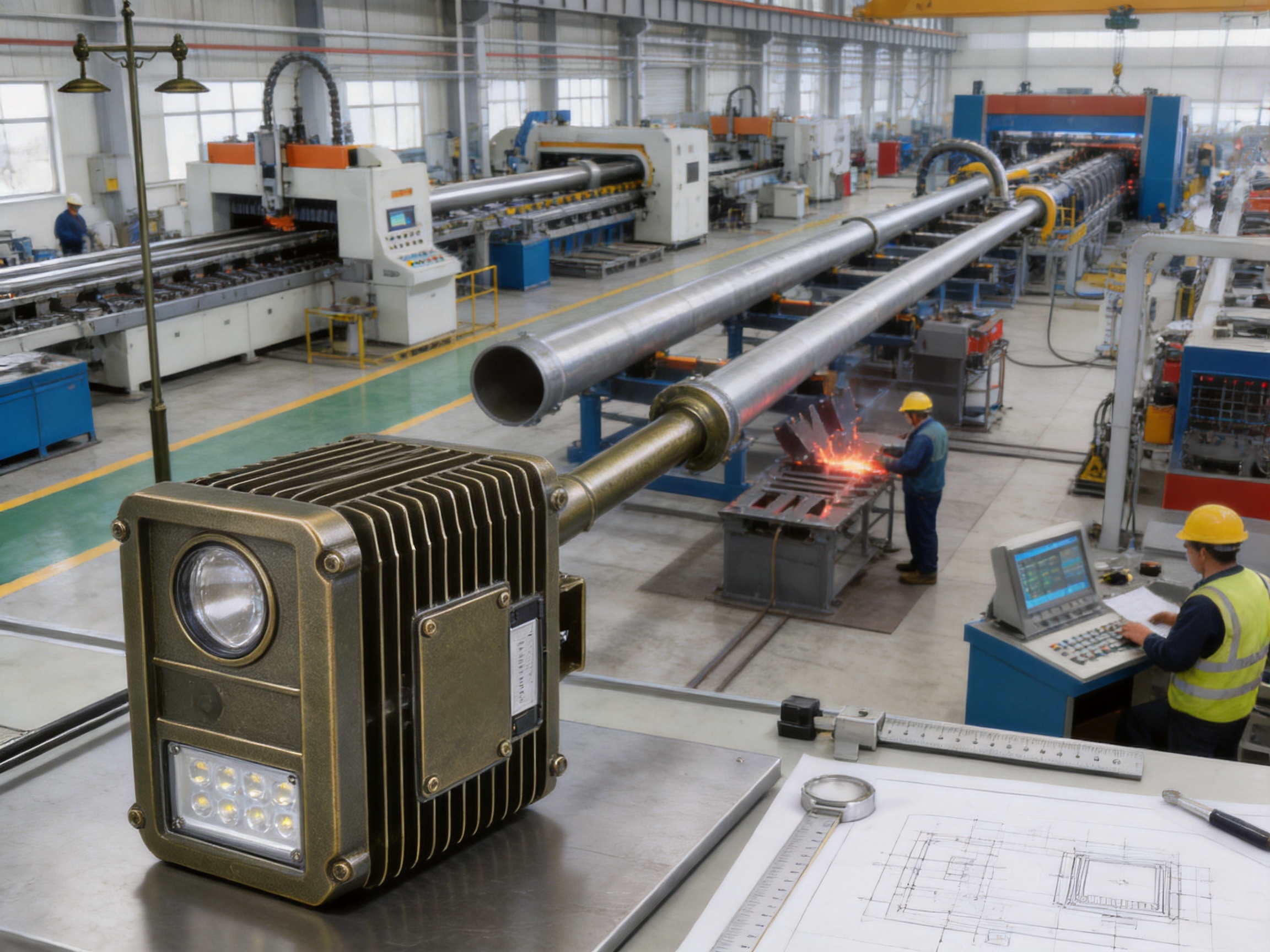
The product’s appearance and performance are supported by a manufacturing system that combines material preparation, precision forming, cutting, bending, welding, coating, die-casting, assembly, and quality inspection. This integrated production capability is particularly valuable for customized lighting projects because the pole, luminaire, and decorative elements must maintain consistency across a large quantity of units.
7.1 Material availability and production continuity
The manufacturer indicates that it maintains extensive material stock and offers options including Q235B, Q345B, S275JR, S355JR, Q460, A36, A572, GR56, GR50, and other grades. Having access to a broad material range can help the production team respond to different structural requirements and reduce delays caused by material shortages.
Material availability is especially important for large municipal projects. A lighting program may involve hundreds or thousands of poles, and a delay in steel procurement can affect foundation work, electrical installation, road completion, and opening schedules. A prepared inventory and organized supply chain can support more predictable production planning, although lead times should always be confirmed according to order quantity, customization level, and destination.
7.2 CNC bending for repeatable pole geometry
Precise CNC bending is used to form pole sections and related structural components. Computer-controlled bending helps maintain consistent angles, radii, and dimensions across production batches. This consistency is important for double-arm lights because visual alignment between opposite arms affects both appearance and light distribution.
Accurate bending can also improve structural integrity by reducing unnecessary post-production correction. When components fit together correctly, the assembly process becomes more efficient and the risk of misalignment is reduced. In a decorative product, this matters not only for engineering performance but also for the visual rhythm of an entire avenue.
7.3 High-accuracy cutting
The production information states cutting accuracy of 0.01 mm. Such precision supports exact dimensions and clean edges during component fabrication. Accurate cutting can improve the fit between pole sections, access panels, decorative elements, mounting plates, and related parts. It can also reduce the need for grinding, correction, or repeated manual adjustment.
Clean and consistent cuts contribute to better welding preparation and more uniform surface treatment. They help create a stable basis for subsequent processes, including assembly and coating. While the final quality of a pole depends on many processes rather than cutting alone, dimensional accuracy is an important element of manufacturing control.
7.4 Automated welding and certified welders
Welding quality has a direct effect on the strength, appearance, and service reliability of a lighting pole. The manufacturer uses automated welding and cutting equipment alongside a team of certified welders with many years of experience. This combination provides the advantages of repeatable machine-assisted production while retaining skilled oversight for complex joints, customized components, and quality verification.
Consistent welding can help reduce defects such as incomplete penetration, excessive spatter, distortion, uneven bead formation, or weak connections. Weld quality is particularly important around arm attachments, base plates, access openings, decorative supports, and areas exposed to wind-induced stress.
For large projects, production speed is also important. A capable welding team can support higher output without treating quality inspection as an afterthought. Customers requiring special welding procedures, inspection records, or material traceability should define those requirements during the technical approval stage.
7.5 Powder electrostatic painting
Powder electrostatic painting is used to create a consistent finish on suitable metal components. The process can provide an even coating and a clean appearance when supported by appropriate surface preparation, controlled application, and curing. For a classical-style lighting system, consistent color and texture are essential because small differences can become visible when fixtures are installed at regular intervals along a road.
The coating process can also support corrosion resistance by creating a protective barrier between the metal surface and the outdoor environment. Proper pretreatment remains essential. Any project exposed to marine air, de-icing salts, heavy rainfall, or industrial contamination should receive a corrosion-protection specification based on the site conditions.
7.6 Precision aluminum die-casting
The luminaire housing is produced from high-grade aluminum through precision die-casting. Die-casting supports complex shapes, repeatable dimensions, integrated design features, and efficient large-scale production. It is well suited to a lamp head that combines structural protection, heat dissipation, optical positioning, and decorative form.
A precision die-cast housing can reduce the number of separate parts and support a cleaner exterior. Fewer unnecessary joints may simplify assembly and reduce potential points of water ingress. The housing must still be correctly sealed and assembled, and all access panels, gaskets, fasteners, and cable entries must be inspected during production and installation.
7.7 Automated production and cost control
The manufacturer states that its automated production lines help improve product quality, shorten production cycles, reduce costs, and support environmental sustainability. Automation can provide more consistent process parameters, more predictable output, and better repeatability than entirely manual fabrication.
Cost competitiveness is not achieved simply by reducing the price of materials. It also depends on production efficiency, low rework rates, organized logistics, repeatable assembly, and the ability to manufacture major components internally. An integrated manufacturing base can provide a more stable balance between customization, quality, delivery, and project budget.
8. Quality and Production Capacity
Yangzhou Jinyuan Lamps Co., Ltd. was established in 2002 and is affiliated with Jinshang Electric Group. The company operates a production and engineering site covering more than 70,000 square meters and reports a workforce of more than 300 professional technicians. Its products are exported to more than 200 countries, indicating experience with international project requirements, documentation, packaging, and customer coordination.
The company reports quality and management certifications including ISO9001, ISO14001, and OHSAS18001. ISO9001 relates to quality management systems, ISO14001 concerns environmental management, and OHSAS18001 was an occupational health and safety management standard that has generally been superseded by ISO 45001 in current certification practice. Customers should confirm the current status and scope of any certificate before relying on it for a specific procurement requirement.
Quality management is most effective when it covers the entire product life cycle. For this road light, relevant quality checkpoints may include incoming material verification, steel grade confirmation, dimensional inspection, bending accuracy, weld inspection, surface preparation, coating thickness, die-cast housing quality, LED and driver testing, sealing inspection, electrical safety testing, and final visual review.
A large production site and specialized equipment can also support project consistency. When the same design is supplied across a long avenue or a complete district, differences in pole shape, antique finish, arm alignment, and luminaire color can negatively affect the final appearance. Controlled production and batch inspection help reduce those variations.
9. Maintenance-Oriented Design
Decorative lighting must remain maintainable. A visually attractive fixture that is difficult to open, diagnose, or repair can create high lifecycle costs and long service interruptions. The Neo-Chinese Classical Rhythmic LED Road Lighting System follows standardized and modular maintenance principles so that its appearance does not prevent practical servicing.
The light source cavity and driver module are equipped with accessible maintenance panels. These panels allow authorized technicians to reach key components without dismantling the entire decorative assembly. Faster access can reduce labor time, simplify inspection, and help return a failed unit to service more quickly.
Modular design also supports organized replacement. Depending on the specific configuration, technicians may be able to inspect or replace the driver, LED module, wiring connection, gasket, or other serviceable component through designated access points. The precise procedure should follow the manufacturer’s maintenance manual and electrical safety instructions.
Standardized installation components provide additional benefits. When poles, arms, luminaires, fasteners, and connection interfaces are designed as a coordinated system, installation teams can work more efficiently and reduce site modifications. This is particularly valuable in cultural districts where construction access may be restricted and where prolonged road closures can create inconvenience.
9.1 Lifecycle value
The initial purchase price is only one part of a lighting project’s total cost. Energy use, cleaning, inspection, replacement parts, access equipment, labor, road closures, and downtime all contribute to lifecycle expenditure. High luminous efficiency, dimming support, durable housing, accessible maintenance panels, and a five-year stated warranty can help customers evaluate the product based on long-term value rather than initial cost alone.
A lifecycle approach also supports sustainability. Extending the usable period of the pole and luminaire reduces the need for frequent replacement and avoids the material and transport impacts associated with premature disposal. Scheduled inspection and cleaning can help preserve optical performance and identify small problems before they become major failures.
10. Advantages Compared with Conventional Alternatives
The Neo-Chinese Classical Rhythmic LED Road Light has several distinguishing advantages when compared with common alternatives. The precise benefit depends on the project and the selected configuration, but the following characteristics make it particularly appropriate for architectural and municipal applications.
10.1 Stronger architectural integration than standard industrial luminaires
Conventional industrial roadway luminaires are often designed primarily around functional efficiency. They can be suitable for highways, warehouses, ordinary streets, and utility corridors, but their appearance may not complement a historical or culturally themed environment. The classical rhythmic design provides a stronger visual relationship with traditional architecture and carefully landscaped public spaces.
10.2 More practical roadway performance than purely decorative lamps
Some decorative lamps emphasize ornamental form but use limited optical control. They may create attractive silhouettes while producing uneven illumination, excessive glare, or insufficient light on the road. This product combines a decorative concept with asymmetric LED optics, a stated efficiency of 140 lm/W, dimming interfaces, and a road-oriented application profile.
10.3 Better control of spill light than broad, uncontrolled distribution
Uncontrolled light can enter residential windows, affect neighboring properties, or brighten the night sky. The optimized asymmetric distribution is intended to direct illumination toward the relevant roadway and pedestrian areas while limiting unnecessary projection. Lighting calculations and aiming remain essential, but the optical design provides a more suitable starting point than an unrestricted omnidirectional source.
10.4 Greater configuration flexibility
The availability of several pole materials, 6–10 meter pole heights, 3000K–6000K color temperatures, and specification and color customization allows the product to be adapted to different project environments. This is useful when a municipality wants one coordinated design language across streets of different widths or when a developer needs the lighting system to match a specific architectural palette.
10.5 Improved control readiness
Support for DC 0–10 V and DALI dimming gives the system greater flexibility than a fixed-output light without a control interface. It can be considered for projects that plan to introduce smart lighting management, energy scheduling, or centralized control over time.
10.6 Integrated manufacturing support
Customers purchasing poles and luminaires from disconnected suppliers may need to coordinate different drawings, tolerances, finishes, delivery schedules, and warranty procedures. An integrated manufacturer with capabilities in pole fabrication, LED lighting, structural calculation, design assistance, and installation guidance can simplify project coordination.
11. Project Design and Specification Considerations
Although the product is designed to be adaptable, careful project planning is necessary to achieve the best results. A lighting designer should evaluate the road width, lane arrangement, sidewalk position, mounting location, pole spacing, luminaire orientation, target illuminance, uniformity, glare, environmental limits, and local regulations.
Photometric simulation should be completed before mass production. The manufacturer offers CAD design, 3D product simulation design, and 3D scene simulation design. These tools can help project teams review the physical appearance of the pole and lamp in relation to buildings, trees, paving, signs, and other street furniture.
A 3D scene simulation is particularly helpful for heritage and tourism projects. The same antique-style finish may look different beside red brick, pale stone, dark timber, ceramic roof tiles, or modern glass. Visual simulation allows the project owner to compare proportions and colors before committing to a final batch.
Mechanical calculation is also important. Pole height, arm projection, luminaire weight, wind speed, exposure category, soil condition, foundation design, and local construction standards must be considered together. A pole that looks correct in a visual rendering must also meet structural requirements under the expected environmental loads.
11.1 Electrical planning
The AC 85–265 V input range supports compatibility with many electrical networks, but the project’s actual supply voltage, frequency, surge environment, grounding method, cable size, protection devices, and control system must be verified. Surge protection may be required according to the local electrical code and exposure conditions.
For DALI or 0–10 V control, the control wiring, addressing, commissioning procedure, and compatibility with the selected driver must be reviewed. If the project includes remote monitoring, the lighting control system may require additional controllers, communication gateways, or network equipment.
11.2 Environmental planning
The IP65 rating and stated operating temperature range support many outdoor environments, but each site should be assessed individually. Coastal locations may require enhanced anti-corrosion measures. Areas with heavy snow may require special attention to arm geometry and snow accumulation. High-altitude locations, desert environments, industrial zones, and regions with frequent electrical storms may require additional technical review.
Maintenance access should also be included in the plan. The road authority or property operator should identify how technicians will reach the luminaires, whether a bucket truck or other lifting equipment is necessary, and how maintenance work can be performed without damaging landscaping or disrupting traffic.
12. Design, Customization, and Project Services
A successful lighting project usually requires coordination among the owner, architect, landscape designer, electrical engineer, structural engineer, contractor, and manufacturer. The supplier’s project support services are intended to assist this coordination from the early design stage through installation.
12.1 CAD design
CAD design can be used to confirm dimensions, mounting interfaces, arm geometry, base plates, access doors, cable openings, and installation clearances. Accurate drawings help contractors prepare foundations and electrical routes before the products arrive on site.
12.2 Three-dimensional product simulation
Three-dimensional product simulation allows stakeholders to examine the pole and luminaire from multiple angles. It can reveal proportion issues that may not be obvious in a two-dimensional drawing. For a decorative double-arm road light, this is useful for reviewing the relationship between the arm curve, lamp head, pole shaft, and ornamental details.
12.3 Scene simulation
Scene simulation places the lighting product in a representative environment. It can help compare the fixture with architecture, vegetation, road markings, paving materials, signs, and other streetscape features. This stage is valuable for obtaining approval from municipal authorities, cultural heritage organizations, property developers, and design review committees.
12.4 Specification and color customization
Projects may require adjustments to color, finish, pole dimensions, arm configuration, mounting details, or related specifications. The manufacturer offers specification and color customization, subject to technical feasibility and order requirements. Customization should be confirmed through approved drawings and samples before production.
12.5 Overseas installation guidance
For international projects, overseas onsite installation guidance can help local contractors understand assembly, pole erection, luminaire mounting, cable connection, grounding, sealing, and commissioning. Onsite guidance does not replace local engineering approval or statutory supervision, but it can reduce uncertainty during installation and support a more consistent final result.
13. Manufacturing Location and Company Capability
Yangzhou Jinyuan Lamps Co., Ltd. is located at No. 1 East Jinyuan Road, Guoji Industrial Park, Gaoyou City, Jiangsu Province, China. The company focuses on road illumination products and engineering services, including street light poles, LED street lights, solar street lights, light fixtures, and related equipment.
Its history since 2002 provides a substantial period of experience in the road lighting sector. The reported production site of more than 70,000 square meters, professional technical workforce, international export activity, and range of manufacturing equipment indicate the ability to support both standard and customized project requirements.
The equipment described by the company includes bending machines, powder electrostatic painting equipment, automatic welding and cutting machines, and a 1250-ton die-casting machine. These capabilities cover many of the critical production stages required for the Neo-Chinese Classical Rhythmic LED Road Light.
For buyers, the value of this capability lies in coordination. A supplier that understands both pole fabrication and LED luminaire production can better manage mounting compatibility, visual proportions, mechanical interfaces, delivery sequencing, and after-sales responsibilities. It can also reduce the risk of one supplier attributing a problem to another supplier’s component.
14. Applications in Different Urban Environments
14.1 Historical districts
Historical districts require lighting that supports nighttime activity without visually overwhelming the existing architecture. The classical appearance and antique-style coating can help the installation blend with traditional streetscapes. Asymmetric optics can support roads and sidewalks while helping to limit light spill toward adjacent buildings.
14.2 Cultural tourism routes
Cultural tourism areas often remain active after sunset. Lighting must support orientation, pedestrian comfort, photography, security, and the overall visitor experience. A coordinated double-arm system can create a recognizable visual rhythm along entrances, promenades, and connecting roads.
In landscaped environments, the pole must relate to trees, water features, paving, planting beds, sculptures, and buildings. The 6–10 meter height range and customizable appearance can help designers select a suitable scale. Warm color temperatures may be considered where a calm and welcoming atmosphere is preferred.
14.4 Unique urban avenues
Major avenues are often used to express the identity of a city or district. A distinctive pole and luminaire can create a consistent visual signature across a long route. Manufacturing repeatability is important in these installations because small differences become noticeable when fixtures are viewed in sequence.
14.5 Municipal improvement projects
Municipal authorities may need to modernize illumination without losing local character. Replacing inefficient or outdated light sources with high-efficiency LED equipment can improve operating performance, while the classical design supports the visual goals of a public-realm improvement project.
15. Installation and Commissioning Recommendations
Before installation, the project team should verify the approved drawings, pole foundation dimensions, anchor bolt pattern, cable routes, luminaire orientation, control wiring, lifting plan, and safety procedures. All components should be inspected for transport damage, coating defects, missing fasteners, and dimensional discrepancies.
Pole foundations must be prepared according to the approved structural calculations and local soil conditions. The foundation should achieve the required strength before pole erection. Anchor bolts should be correctly positioned and protected during concrete placement. Improper foundation alignment can cause installation delays and may compromise the appearance of the finished avenue.
During pole erection, lifting equipment should be selected according to the pole length, weight, site access, and wind conditions. The pole should be secured and aligned before the luminaire arms are fully loaded. Decorative surfaces should be protected from chains, slings, and construction tools that could scratch the coating.
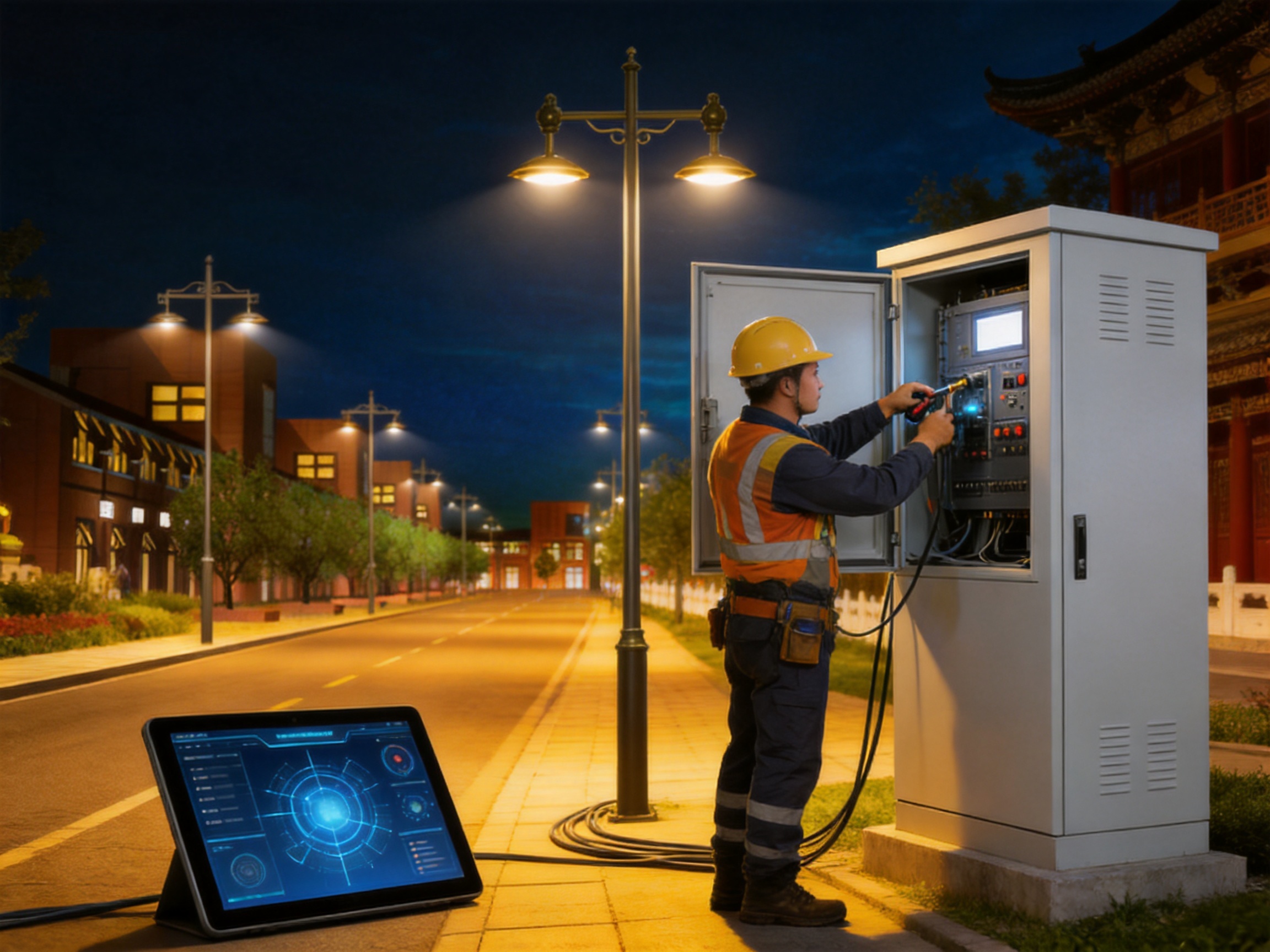
Electrical connections should be completed by qualified personnel. The installer should confirm supply voltage, polarity where applicable, grounding, cable insulation, driver connections, dimming lines, and surge protection. Access panels and gaskets must be correctly closed after installation to preserve the intended protection level.
Commissioning should include a visual inspection during daylight and nighttime testing after the roadway is dark. The team should review alignment, dimming response, uniformity, glare, unexpected spill light, control communication, and any abnormal noise or flicker. A record of test results can support future maintenance and warranty service.
16. Maintenance and Warranty Support
The product carries a stated warranty period of five years. Warranty conditions normally depend on correct installation, operation within the specified electrical and environmental limits, approved maintenance procedures, and documentation of the problem. Buyers should request the complete warranty terms before purchase, including coverage for LED modules, drivers, housing, coating, and structural components.
Routine maintenance should include cleaning the optical cover, checking access panel seals, inspecting cable entries, reviewing pole fasteners, examining the coating for damage, and confirming the operation of dimming and control equipment. In dusty or polluted environments, optical cleaning may be required more frequently to preserve light output.
Any corrosion, coating failure, water ingress, flicker, intermittent operation, or unusual heating should be investigated promptly. Early intervention can prevent a small issue from affecting the driver, LED module, wiring, or structural assembly. Maintenance personnel should isolate electrical power and follow appropriate working-at-height procedures before opening the luminaire.
Because the system uses accessible maintenance panels and modular service principles, maintenance teams can plan inspections and component replacement more efficiently. A project should maintain an inventory of recommended spare drivers, gaskets, fasteners, LED modules, and finish repair materials where appropriate.
17. Sustainability and Responsible Infrastructure
Energy-efficient LED technology can reduce electricity demand compared with less efficient light sources, especially when combined with dimming and scheduled operation. The 140 lm/W stated luminous efficiency provides a useful basis for energy-conscious design, although the actual system efficiency depends on the selected power, optical configuration, driver, ambient temperature, and control schedule.
Longer service intervals and maintainable construction can reduce material waste and the environmental impact of repeated replacement. The use of automated production lines may also support more efficient material use and lower rework levels. ISO14001-related environmental management experience is relevant to customers who include sustainability criteria in procurement.
Sustainability should be evaluated across the complete project. Efficient luminaires are most effective when they are correctly spaced, accurately aimed, properly controlled, and maintained. Overlighting a road can waste energy even when the individual luminaire is efficient. A good design therefore combines efficient equipment with appropriate lighting levels and responsible operating schedules.
18. Procurement Checklist for Buyers
When evaluating this product for a project, purchasers should request an approved technical data sheet, photometric files, wiring diagrams, driver information, mounting details, pole drawings, coating specifications, installation instructions, maintenance instructions, and warranty conditions.
The following questions can help organize the procurement process:
- What LED power and optical distribution are required for the road width and pole spacing?
- Which color temperature best matches the architecture and local lighting policy?
- Will the project use DC 0–10 V, DALI, or another control system?
- What pole material and wall thickness are appropriate for the local wind and structural conditions?
- Is enhanced corrosion protection required because of coastal, industrial, or high-humidity exposure?
- What finish and color sample should be approved before mass production?
- What photometric and structural calculations are required by the local authority?
- What spare parts should be included in the initial order?
- What installation guidance and commissioning support will be provided?
- What documents are required for customs, inspection, electrical approval, and project handover?
Clear answers to these questions help ensure that the selected configuration matches the actual environment. They also reduce the risk of late changes after foundations, cables, and road surfaces have already been completed.
19. Frequently Asked Questions
Q1. What type of product is the Neo-Chinese Classical Rhythmic LED Road Light?
It is an LED double-arm road light designed for roadway, pathway, historical district, cultural tourism, landscape, and distinctive urban avenue applications. Its form combines traditional Chinese architectural inspiration with modern LED roadway technology.
Q2. What makes this product different from a standard LED street light?
Its primary difference is the integration of architectural appearance and roadway performance. It uses a classical-style design, coordinated pole and luminaire elements, antique-style coating, asymmetric optical distribution, high-efficiency LED technology, and accessible maintenance features. A standard industrial fixture may provide roadway illumination but may not offer the same cultural or landscape integration.
Q3. What is the lamp luminous efficiency?
The supplied specification lists a lamp luminous efficiency of 140 lumens per watt. Actual project performance should be confirmed according to the selected LED configuration, power rating, driver, optical system, and operating conditions.
Q4. What input voltage does the light support?
The listed input voltage is AC 85–265 V. The project electrical engineer should still verify the local supply, frequency, grounding, surge protection, and control requirements before installation.
Q5. Can the product be dimmed?
Yes. The listed dimming interfaces are DC 0–10 V and DALI. Compatibility with the complete lighting management system should be confirmed before procurement, including driver, controller, wiring, addressing, and commissioning requirements.
Q6. What color temperatures are available?
The stated color temperature range is 3000K to 6000K. Warm, neutral, or cooler options can be selected according to the visual goals, roadway requirements, architectural setting, and applicable regulations.
Q7. Is the luminaire suitable for outdoor use?
Yes. It is specified with an IP65 rating and an operating temperature range of -35 to 65°C. Site-specific factors such as coastal salt, industrial pollution, heavy snow, high humidity, direct solar exposure, and electrical storms should be reviewed during design.
Q8. What materials are used for the luminaire and pole?
The lamp housing is made from aluminum alloy. Pole material options include Q235, Q355, SS400, GR65, and other materials, subject to project requirements and structural calculations.
Q9. What pole heights are available?
The listed pole height range is 6 to 10 meters. The correct height depends on road width, mounting arrangement, required illumination, pole spacing, wind loading, and the desired visual scale.
Q10. Is the antique-style finish customizable?
The manufacturer offers specification and color customization. Final colors, textures, coating systems, and samples should be approved through project drawings and production documentation before manufacturing.
Q11. How is maintenance performed?
The light source cavity and driver module include accessible maintenance panels. These panels are intended to provide service access without requiring complete disassembly of the decorative structure. Maintenance must follow the manufacturer’s instructions and applicable electrical safety procedures.
Q12. Does the manufacturer support structural design?
The company provides mechanical calculation services related to wind and foundation design. Local qualified professionals should review and approve the final structural design according to the project site and governing codes.
Q13. Can the product be used in a smart city project?
Its 0–10 V and DALI dimming support provides compatibility with suitable lighting control systems. A complete smart city solution may require additional controllers, communication networks, sensors, software, and commissioning services.
Q14. What quality and manufacturing capabilities does the supplier have?
The company reports a production site of more than 70,000 square meters, more than 300 professional technicians, international export experience, precision die-casting, CNC bending, high-accuracy cutting, automated welding and cutting, powder electrostatic painting, and automated production lines. It also reports ISO9001, ISO14001, and OHSAS18001-related management certifications.
Q15. What is the warranty period?
The listed warranty period is five years. Buyers should confirm the full warranty terms, exclusions, installation requirements, operating limits, and claims procedure in the formal quotation or contract.
20. Conclusion
The Neo-Chinese Classical Rhythmic LED Road Light is designed for projects where lighting must contribute to both public safety and visual identity. Its neo-Chinese classical appearance provides a stronger architectural relationship than ordinary industrial luminaires, while its LED source, 140 lm/W stated luminous efficiency, asymmetric optical distribution, IP65 protection, wide operating temperature range, and dimming support provide a modern technical foundation.
The product’s value is further strengthened by its manufacturing and engineering support. Precision aluminum die-casting, CNC bending, high-accuracy cutting, automated welding, certified welding personnel, powder electrostatic painting, material availability, and integrated production help support consistency and project delivery. CAD design, three-dimensional simulation, structural calculation, color customization, and overseas installation guidance provide additional assistance for complex international and municipal projects.
For historical districts, cultural tourism routes, landscape paths, premium developments, and unique urban avenues, this lighting system offers an alternative to the usual choice between plain functional equipment and decorative products with limited roadway performance. With proper photometric design, structural verification, electrical planning, installation, and maintenance, it can create a durable and visually coherent lighting environment that respects traditional character while meeting modern infrastructure expectations.
References
1. Product technical information for the Neo-Chinese Classical Rhythmic LED Road Light, including electrical, optical, material, environmental, dimming, pole, and warranty specifications.
2. Manufacturer-provided information concerning LED road lighting design, pole fabrication, precision die-casting, CNC bending, cutting, welding, powder electrostatic painting, and automated production.
3. Manufacturer company profile and engineering service information for Yangzhou Jinyuan Lamps Co., Ltd.
4. General principles of roadway lighting design, photometric planning, glare control, uniformity, and light trespass management.
5. General guidance for outdoor luminaire ingress protection, electrical safety, grounding, surge protection, and maintenance planning.
6. General quality-management and environmental-management principles associated with ISO9001 and ISO14001 systems.