


JINYUAN
JINYUAN
JINYUAN
JINYUAN
JINYUAN
JINYUAN
JINYUAN
JINYUAN
JINYUAN
JINYUAN
JINYUAN
JINYUAN
JINYUAN
JINYUAN
JINYUAN
JINYUAN
Content
- 1 1. Product Overview
- 2 2. Streamlined Structural Design
- 3 3. LED Lighting Performance
- 4 4. Weather Resistance and Outdoor Protection
- 5 5. Manufacturing Capabilities Behind the Product
- 6 6. Advantages Compared with Conventional Street Lighting Solutions
- 7 Product: Streamlined Structural LED Single-arm Street Light
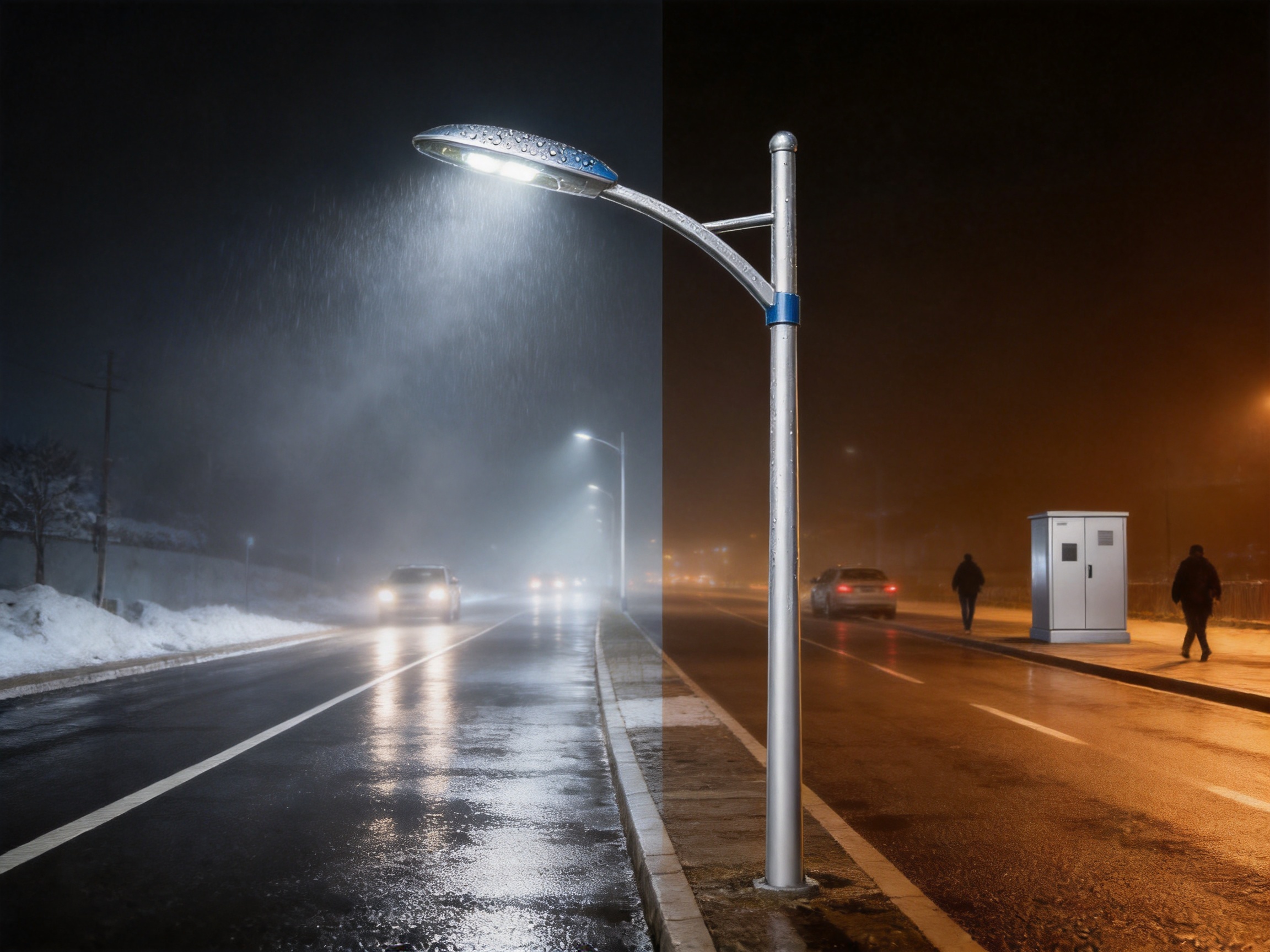
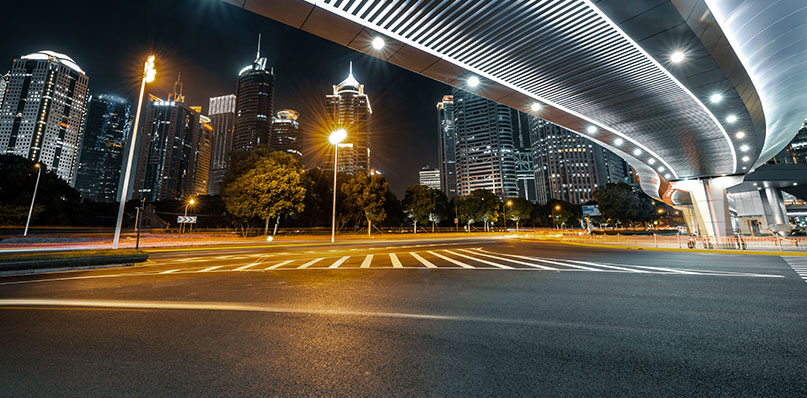
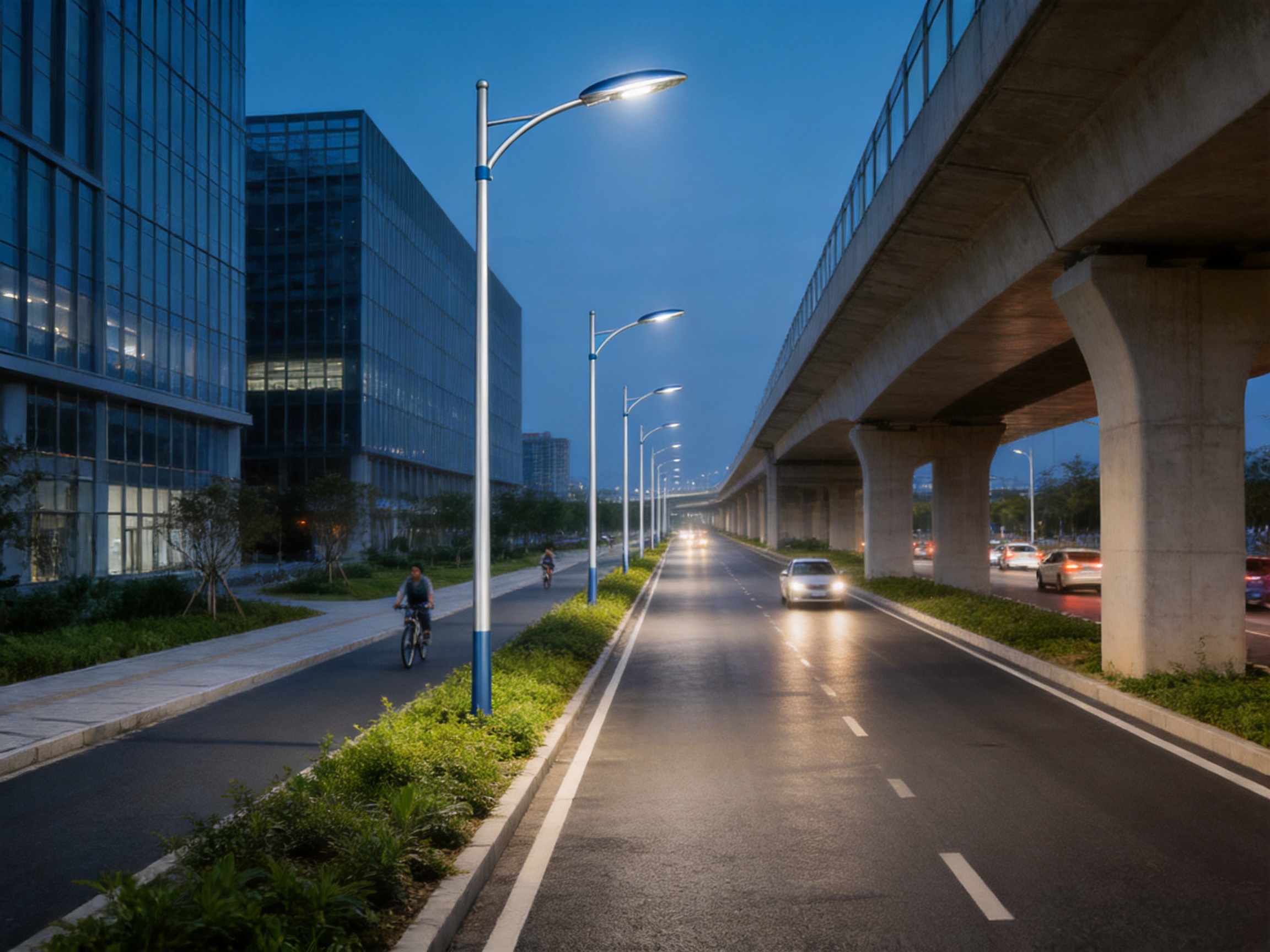
Modern road infrastructure requires lighting systems that do more than illuminate a roadway. A dependable street light must combine optical performance, mechanical stability, weather resistance, installation efficiency, maintainability, and long-term value. The streamlined structural LED single-arm street light is designed around these requirements, providing a coordinated lighting solution for urban arterial roads, bridge sections, expressways, elevated routes, commercial districts, and other public transportation environments.
This product combines an integrated pole-and-arm appearance with high-efficiency LED illumination, a durable aluminum alloy luminaire housing, a wide operating temperature range, and adaptable control interfaces. Its structural design reduces the visual and aerodynamic burden commonly associated with conventional projecting arms, while its modular configuration helps simplify assembly and supports future integration with sensors, communication equipment, and smart-city systems.
The product is manufactured by Yangzhou Jinyuan Lamps Co., Ltd., a specialist in road lighting equipment, lighting poles, LED fixtures, solar street lighting, and related engineering solutions. With more than two decades of industry experience, extensive production facilities, professional technical personnel, and international project experience, the company provides both standardized products and customized engineering support.
1. Product Overview
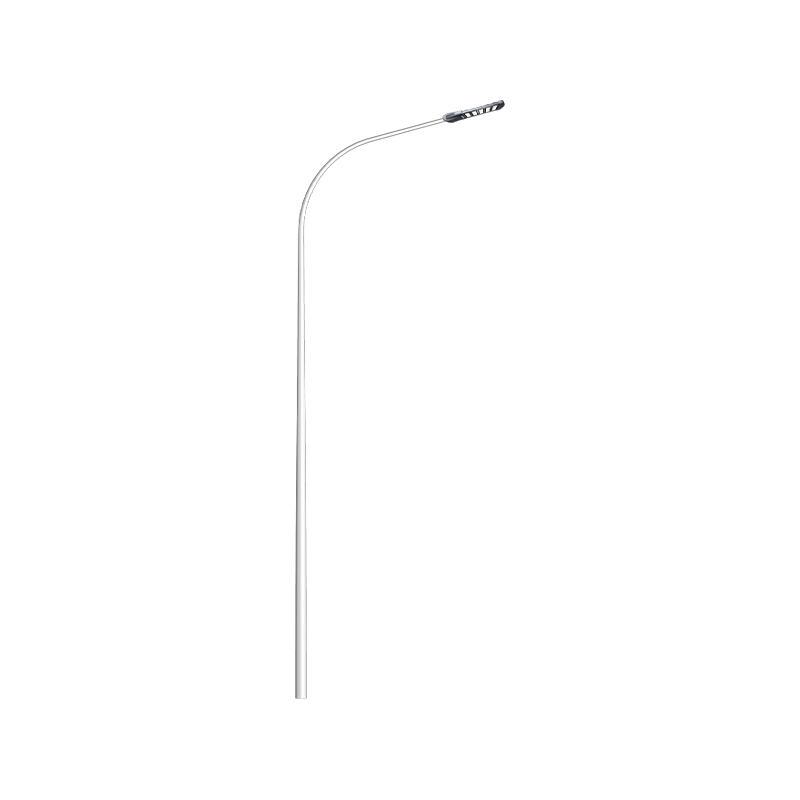
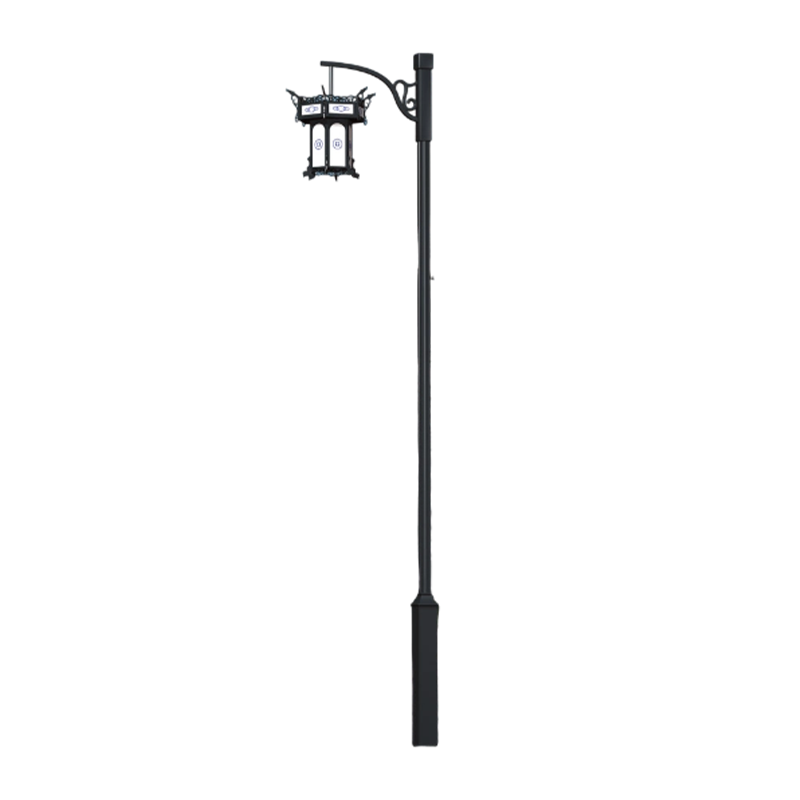
The streamlined structural LED single-arm street light is a road lighting system consisting of a vertical lighting pole, an integrated or smoothly transitioned single-arm structure, and an LED luminaire mounted to provide directional illumination over the roadway. The design is intended to create a clean visual profile while maintaining the mechanical strength required for outdoor operation.
Unlike a basic pole fitted with a separately attached straight bracket, this product emphasizes continuity between the pole and the lamp arm. The smooth transition improves the overall appearance and helps distribute structural loads more evenly through the connection area. It also reduces abrupt projections that may increase wind resistance or create stress concentration points.
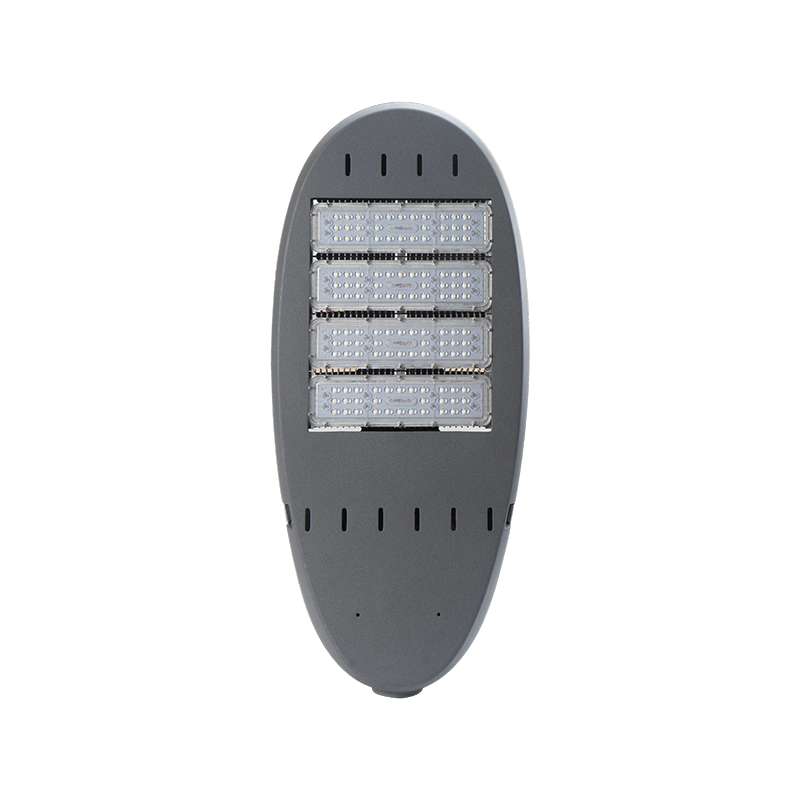
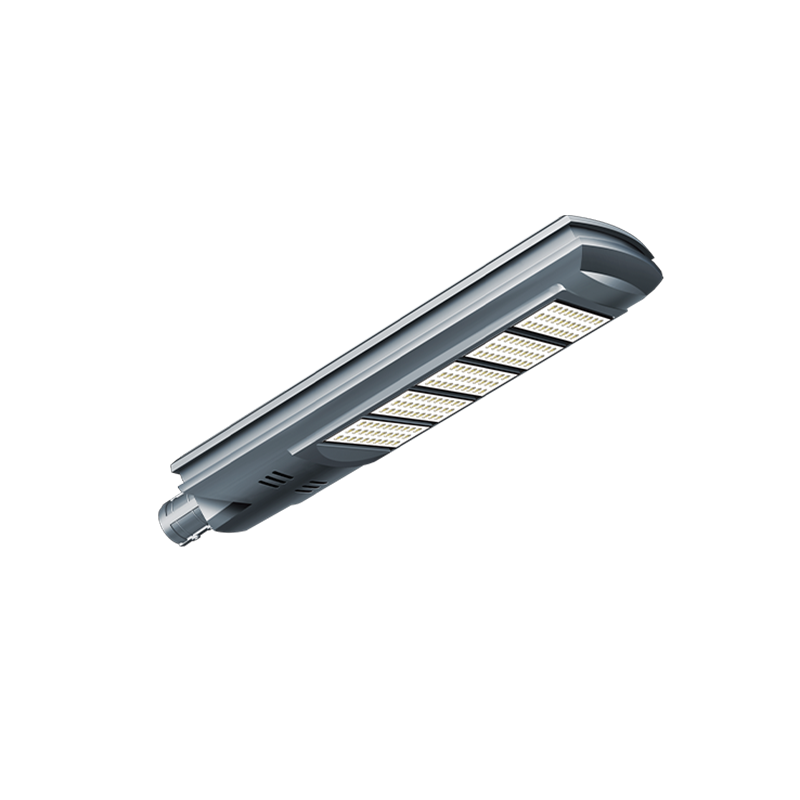
The luminaire uses LED light sources with a stated luminous efficiency of up to 140 lm/W. This high-efficiency configuration helps provide strong roadway illumination while reducing energy consumption compared with older conventional lighting technologies. The fixture supports color temperatures from 3000K to 6000K, allowing the lighting appearance to be selected according to road type, environmental conditions, project standards, and user preference.
The standard electrical input range is AC85-265V, making the luminaire suitable for a broad range of grid conditions. Dimming support through DC 0-10V or DALI allows the system to be incorporated into energy-management strategies. Depending on the project design, brightness can be adjusted according to traffic flow, time of night, seasonal conditions, or smart control instructions.
| Specification | Available or Standard Value |
|---|---|
| Product type | LED single-arm street light |
| Application | Road lighting |
| Light source | LED |
| Input voltage | AC85-265V |
| Lamp luminous efficiency | Up to 140 lm/W |
| Color temperature | 3000K-6000K |
| Color rendering index | Ra 70 |
| Dimming interface | DC 0-10V / DALI |
| Lamp housing material | Aluminum alloy |
| Ingress protection | IP65 |
| Operating temperature | -35°C to 65°C |
| Pole material options | Q235, Q355, SS400, GR65, and related grades |
| Typical pole height | 6 m-10 m |
| Warranty period | 5 years |
The specification range allows the product to serve projects with different road widths, mounting heights, illumination targets, and environmental demands. Final configuration should be confirmed through project calculations, including pole loading, foundation design, wind conditions, roadway geometry, luminaire power, and photometric requirements.
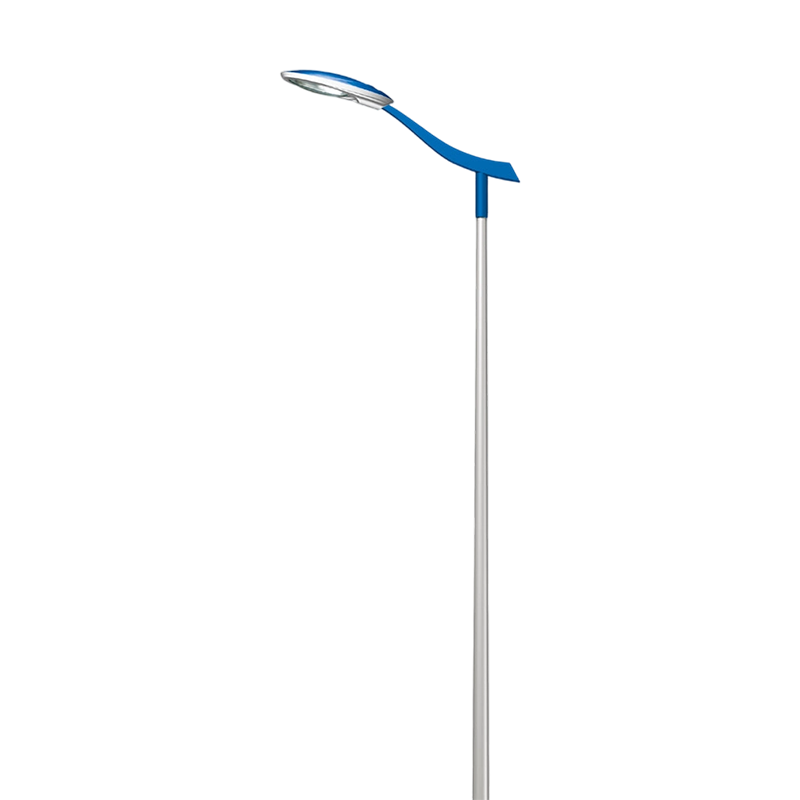
Streamlined Structural LED Single-arm Street Light
2. Streamlined Structural Design
The most recognizable feature of this street light is its streamlined structural form. The arm and vertical pole are designed to appear as a unified assembly rather than as unrelated components. This creates a contemporary profile that is suitable for urban redevelopment projects, modern commercial districts, city entrances, bridge approaches, and major road corridors where visual appearance is an important part of the infrastructure design.
Structural continuity also has practical value. A sharp angle or heavily projecting bracket can create a concentrated load at the connection between the arm and the pole. By using a smoother transition, the design can help distribute forces through a larger structural area. This supports better resistance to repeated environmental loads, including wind pressure, vibration, and temperature-related movement.
The streamlined form may also reduce the wind-catching effect of a conventional bracket arrangement. Reduced wind resistance does not eliminate the need for engineering calculations, but it can contribute to a more efficient pole structure when the complete assembly is correctly designed. The actual performance depends on pole height, arm length, luminaire size, local wind speed, mounting orientation, foundation condition, and applicable design standards.
For municipalities and infrastructure contractors, the unified appearance offers another advantage: it supports a consistent streetscape. When multiple poles are installed along a long road, variations in arm shape, connection details, or mounting position can make the installation look visually disorganized. A standardized streamlined structure helps create a more uniform corridor.
2.1 Mechanical stability and service life
Outdoor lighting poles are exposed to long-term environmental stress. Wind loads, rain, humidity, dust, sunlight, vehicle vibration, and occasional impact or maintenance activity can all influence service life. The product addresses these conditions through a combination of structural design, suitable steel material options, controlled fabrication, protective surface treatment, and weather-resistant luminaire construction.
Available pole materials include Q235, Q355, SS400, GR65, and other grades selected according to project requirements. These materials allow engineers to balance strength, availability, fabrication requirements, cost, and regional standards. For larger projects, material selection can be coordinated with pole height, wall thickness, arm geometry, mounting equipment, and foundation calculations.
The five-year warranty provides an additional level of procurement confidence. A warranty does not replace correct installation or scheduled maintenance, but it gives project owners a defined service framework and demonstrates the manufacturer’s commitment to product reliability.
2.2 Optimized visual integration
Street lighting is often located in highly visible public spaces. Poorly coordinated lighting equipment may distract from surrounding architecture, landscaping, traffic facilities, or commercial frontage. The single-arm configuration provides a restrained and efficient appearance while retaining the reach required to position the luminaire above the roadway.
The design can be applied to roads where the light source must extend from one side of the carriageway. It can also be incorporated into wider lighting plans involving opposite-side poles, central reservations, pedestrian paths, or special bridge layouts. The exact arrangement should be selected through a lighting simulation and site-specific structural assessment.
3. LED Lighting Performance
The product uses LED modules to provide consistent and efficient roadway illumination. LED technology offers several important benefits for municipal and commercial road lighting projects: high energy efficiency, long operating life, rapid start-up, controllable output, compact optical packaging, and compatibility with digital control systems.
A stated luminous efficiency of 140 lm/W indicates that the luminaire is designed to convert electrical input into useful light efficiently. Actual system performance depends on LED power, driver efficiency, thermal conditions, optical distribution, ambient temperature, installation height, maintenance factor, and operating schedule. Nevertheless, high-efficiency LED hardware provides a strong foundation for reducing operating costs over the life of a road lighting project.
The luminaire’s aluminum alloy housing supports heat dissipation. Effective thermal management is important because excessive heat can accelerate LED lumen depreciation, reduce driver reliability, and shorten component life. The housing should be combined with proper installation, unobstructed heat dissipation surfaces, and a suitable operating environment to achieve the expected performance.
3.1 Roadway visibility
Road lighting must support the visual needs of both drivers and pedestrians. Consistent illumination helps users identify road alignment, vehicles, intersections, lane boundaries, curbs, obstacles, and crossing areas. A carefully selected LED distribution can also help reduce dark spots and excessive contrast between adjacent sections of roadway.
The product is intended for urban arterial roads, bridge sections, expressways, major traffic hubs, and modern commercial areas. These applications may have different lighting requirements. For example, an arterial road may prioritize uniformity and vehicle visibility, while a commercial district may also require a visually comfortable color temperature and coordination with architectural lighting.
The available color temperature range of 3000K to 6000K supports different design preferences. Warm or neutral color temperatures can create a more comfortable visual environment in residential or commercial areas, while cooler settings may be selected for certain high-visibility road environments. The final selection should consider local regulations, glare control, surrounding land use, ecological concerns, and the intended visual character of the road.
3.2 Color rendering
The stated color rendering index is Ra 70. This level is suitable for many general roadway applications and supports the recognition of common objects, vehicles, road markings, and pedestrian activity. Projects requiring specialized color identification or enhanced visual discrimination may require additional consultation regarding LED package selection and photometric performance.
3.3 Dimming and control compatibility
Support for DC 0-10V and DALI dimming gives the system greater flexibility than a basic fixed-output street light. A fixed-output luminaire operates at the same level regardless of traffic volume or time of night. By contrast, a dimmable system can be integrated into a scheduled or sensor-based control strategy.
For example, a municipality may operate the lights at a higher output during the evening peak, reduce output during low-traffic hours, and increase brightness temporarily when a traffic event or maintenance activity is detected. Dimming can reduce energy consumption and may also reduce unnecessary light emission during periods of limited activity.
DALI can support more detailed digital control and status management when used with a compatible control network. The DC 0-10V interface can also be incorporated into many conventional lighting-control architectures. Project designers should verify compatibility among the luminaire driver, control cabinet, communication system, dimming protocol, and commissioning software.
4. Weather Resistance and Outdoor Protection
Road lighting equipment must remain operational in environments where exposure is continuous and maintenance access may be limited. The product is rated IP65, indicating a high level of protection against dust ingress and water jets from various directions. This is an important characteristic for equipment installed in open areas, along roads, on bridges, or in locations exposed to rain and airborne particles.
The stated operating temperature range is -35°C to 65°C. This broad range supports deployment in climates that experience severe winter conditions, hot summers, or significant seasonal variation. Actual suitability should still be evaluated against local solar radiation, humidity, salt exposure, dust concentration, icing, wind conditions, and installation altitude.
The pole surface undergoes a professional spraying process intended to improve weather resistance and maintain the integrity of the protective coating. A sound coating system helps protect steel from moisture and corrosion. It also improves the visual durability of the installation by reducing premature fading, peeling, or surface deterioration.
For coastal, industrial, or high-humidity environments, the coating specification should be confirmed in advance. Additional requirements may include enhanced pretreatment, increased coating thickness, specialized powder or paint systems, stainless hardware, sealed access doors, or other corrosion-control measures.
4.1 Protection of the aluminum alloy housing
The aluminum alloy lamp housing provides a balance of low weight, structural performance, corrosion resistance, and heat dissipation. Reducing luminaire weight can help limit the total load applied to the lamp arm and pole. It may also simplify handling during installation and maintenance.
The housing must be properly sealed and assembled to maintain the intended ingress protection. Gaskets, cable entries, fasteners, cover interfaces, and driver compartments all contribute to the final protection level. Regular inspection is recommended to confirm that seals remain intact after years of exposure and maintenance activity.
5. Manufacturing Capabilities Behind the Product
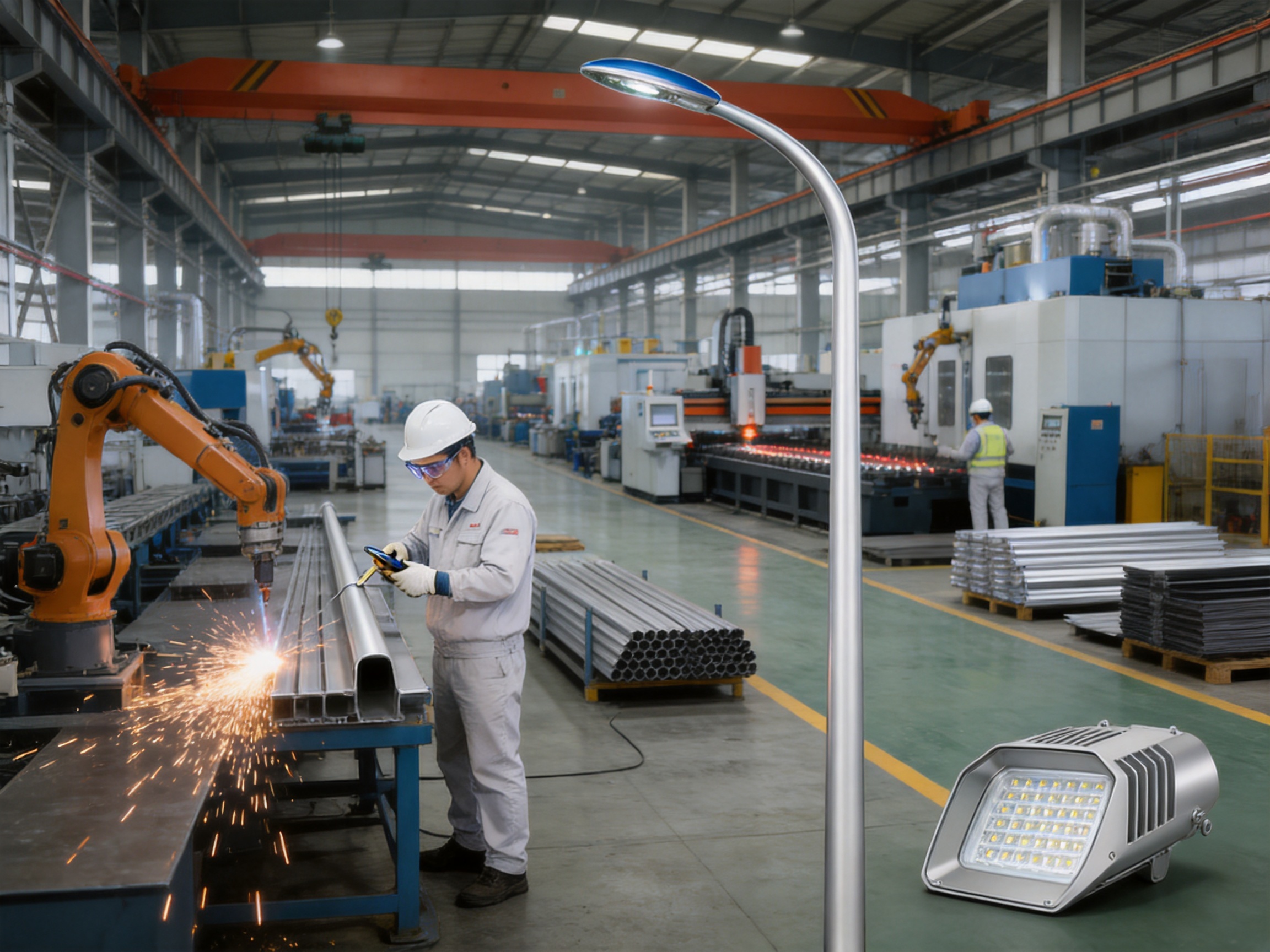
The quality of a street light depends not only on its visible design but also on the consistency of the manufacturing process. The producer operates a range of equipment and production procedures intended to support dimensional accuracy, structural reliability, surface quality, and project delivery.
The manufacturing system includes material preparation, CNC bending, precision cutting, welding, surface treatment, automated production, LED fixture assembly, inspection, and project support. Combining these capabilities within an organized production environment helps reduce dependence on inconsistent manual processes.
5.1 Material selection and inventory management
Available material options include Q235B, Q345B, S275JR, S355JR, Q460, A36, A572, GR56, GR50, and other grades depending on the project. Maintaining an extensive stock of materials can help reduce procurement delays and support faster production scheduling.
Material selection must be based on the structural design rather than on grade alone. Engineers need to consider yield strength, tensile strength, weldability, forming behavior, thickness, corrosion protection, regional standards, and availability. Traceability of material batches is also important for large infrastructure projects, particularly when documentation is required for inspection or approval.
5.2 CNC bending
Precise CNC bending helps create consistent pole shapes, arm transitions, and structural profiles. Controlled bending reduces variation between units and can improve the fit of components during assembly. It also helps reduce the amount of post-production correction needed after forming.
For a streamlined single-arm street light, bending accuracy is especially important because the visual quality of the transition between the vertical pole and the lamp arm is a defining product feature. Inconsistent bending can affect both appearance and load distribution. CNC-controlled equipment supports repeatability across small batches and large orders.
5.3 Precision cutting
The production system is described as providing cutting accuracy down to 0.01 mm. Precision cutting helps achieve clean edges, accurate component dimensions, and consistent interfaces. Although the final tolerance required depends on the specific component and fabrication standard, controlled cutting contributes to improved assembly quality and reduced material waste.
Accurate cutting is useful for access doors, base plates, stiffeners, brackets, pole sections, and other fabricated parts. Clean edges also reduce the amount of grinding and rework required before welding or coating.
5.4 Welding expertise
Welding is a critical operation in the manufacture of lighting poles and structural arms. Weld quality affects the strength, appearance, fatigue behavior, and corrosion resistance of the finished assembly. The company’s certified welders have extensive experience in pole and lighting-equipment fabrication, supporting both quality and production speed.
Professional welding practice includes suitable joint preparation, correct welding parameters, control of heat input, protection against distortion, and inspection of finished joints. For large-scale projects, standardized welding procedures help maintain consistent quality from the first unit to the last.
Welded areas should be properly cleaned and prepared before surface treatment. Poorly prepared welds may create coating defects, sharp edges, or corrosion initiation points. A coordinated approach from welding through coating is therefore essential.
5.5 Automated production lines
Automated production lines can improve repeatability, productivity, and quality control. Automation may reduce manual variation in cutting, handling, coating, or assembly while supporting more predictable production cycles. It can also reduce material waste and improve resource efficiency.
For buyers, automation has practical commercial value. More stable production can support competitive pricing without requiring a reduction in material quality or inspection standards. Faster production cycles can also help contractors meet construction schedules when multiple road sections must be completed within a limited period.
5.6 Surface treatment and anti-corrosion protection
Surface treatment is one of the most important stages in the production of steel lighting poles. The process must remove contaminants, create a suitable surface profile, and apply a uniform protective layer. The company uses professional spraying and powder electrostatic painting equipment to support consistent coating quality.
Proper coating improves resistance to rain, humidity, sand, dust, and general atmospheric exposure. It also supports a longer anti-corrosion service period and reduces the frequency of repainting. The selected finish may be customized according to project specifications, local color requirements, or streetscape design guidelines.
Coating quality should be evaluated through visual inspection, adhesion checks, thickness measurement, and other tests specified by the project. The final result depends on pretreatment, environmental conditions during application, curing, handling, storage, and installation.
6. Advantages Compared with Conventional Street Lighting Solutions
The streamlined structural LED single-arm street light offers several advantages when compared with conventional systems that use separate pole brackets, older light sources, or fixed-output control arrangements.
6.1 More integrated structural appearance
A separate bracket may create a visible joint and a more fragmented profile. The integrated transition of this product creates a cleaner appearance and may reduce the visual clutter associated with multiple structural components. This is especially valuable in