


JINYUAN
JINYUAN
JINYUAN
JINYUAN
JINYUAN
JINYUAN
JINYUAN
JINYUAN
JINYUAN
JINYUAN
JINYUAN
JINYUAN
JINYUAN
JINYUAN
JINYUAN
JINYUAN
Content
- 1 1. The Role of a Modular LED Lighting Engine
- 2 2. High-Efficiency LED Performance
- 3 3. Thermal Management Through a Dense Finned Heat Sink
- 4 4. Replaceable Optical Lenses for Application Flexibility
- 5 5. Weather Resistance and Ingress Protection
- 6 6. Quick-Connectors and Simplified Maintenance
- 7 7. Core Technical Specifications
- 8 8. Dimming and Smart Lighting Compatibility
- 9 9. Applications Across Outdoor Lighting Projects
- 10 10. Manufacturing Capabilities Behind the Product
- 11 11. Quality Systems and International Project Support
- 12 12. Advantages Over Less Flexible Competitor Designs
- 13 13. Project Design and Installation Considerations
- 14 14. Lifecycle Value and Sustainability
- 15 15. Purchasing Guidance for Distributors and Contractors
- 16 16. Frequently Asked Questions
- 16.1 What is the main purpose of this LED lighting module?
- 16.2 Can the lens be changed for different projects?
- 16.3 How does the heat sink improve performance?
- 16.4 Is the module suitable for outdoor installation?
- 16.5 What is the operating temperature range?
- 16.6 What input voltage does the product use?
- 16.7 Does the product support dimming?
- 16.8 What color temperatures are available?
- 16.9 What is the listed luminous efficacy?
- 16.10 Can the module be used in high-mast lighting?
- 16.11 How does the quick-connector help maintenance?
- 16.12 What manufacturing services are available?
- 16.13 What quality standards are associated with the manufacturer?
- 16.14 What warranty period is listed?
- 17 17. Conclusion
- 18 References
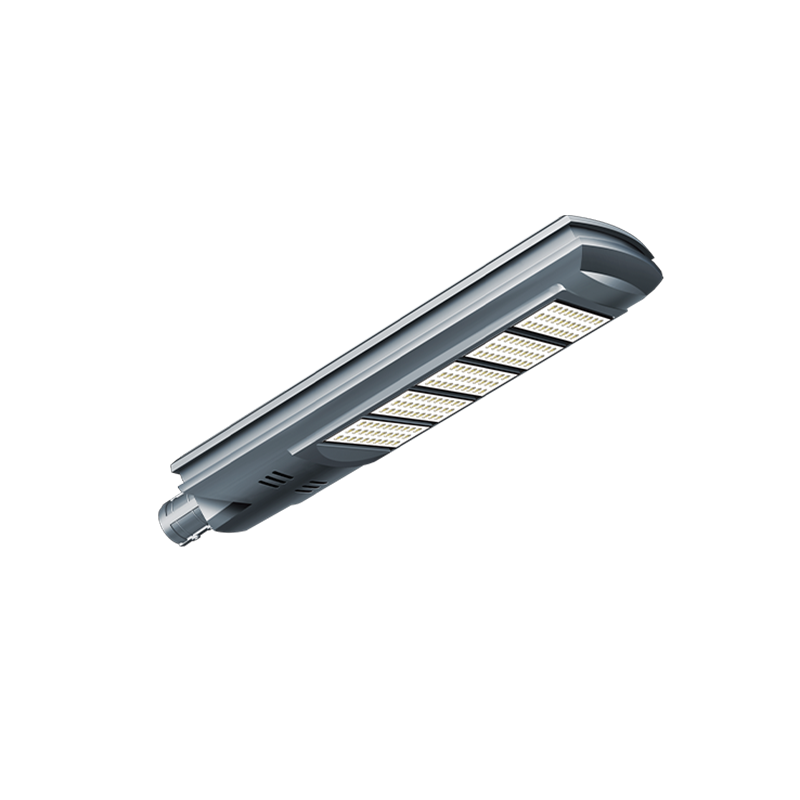
- 19 Product: High-Efficiency Heat Dissipation LED Lighting Fixtures
Modern road, area, tunnel, and floodlighting projects require more than a bright light source. They require dependable thermal management, stable optical performance, weather resistance, convenient maintenance, flexible installation, and predictable operating costs over many years. A lighting module that performs well during initial commissioning but loses output because of excessive heat, water ingress, or difficult maintenance can create substantial lifecycle expenses for owners and operators.
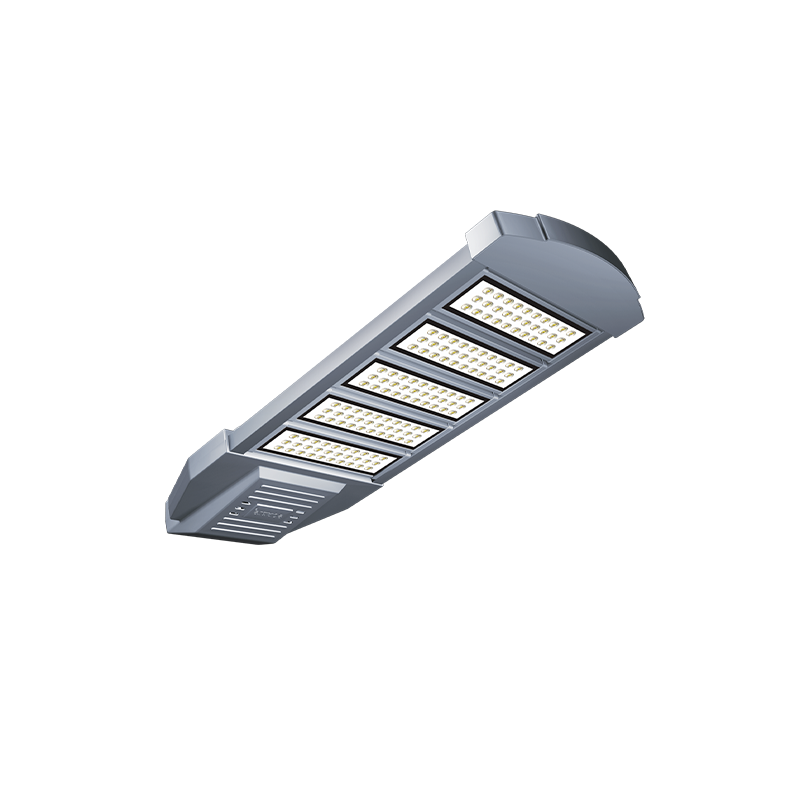
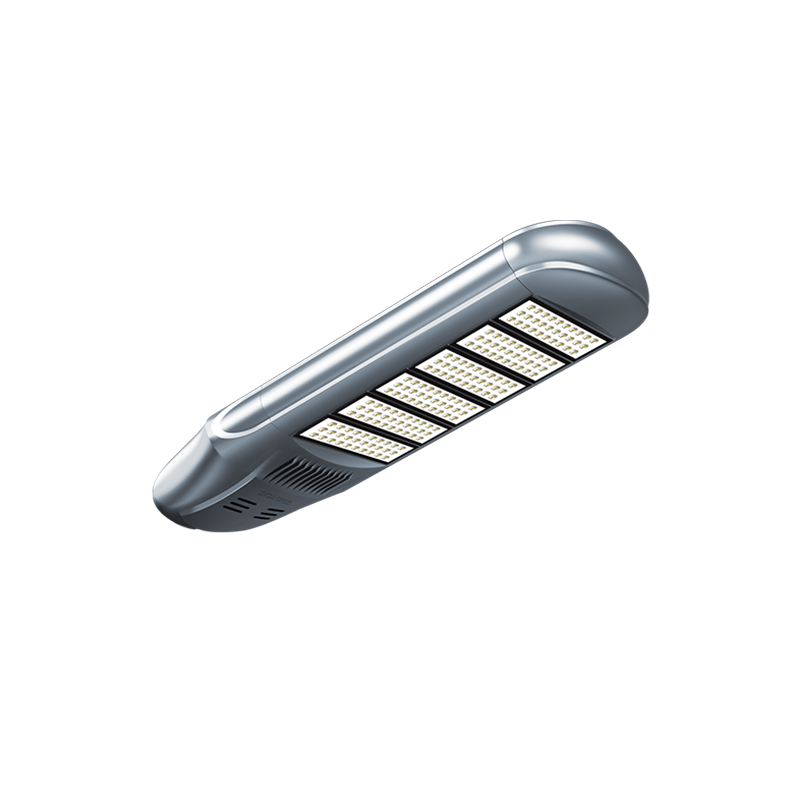
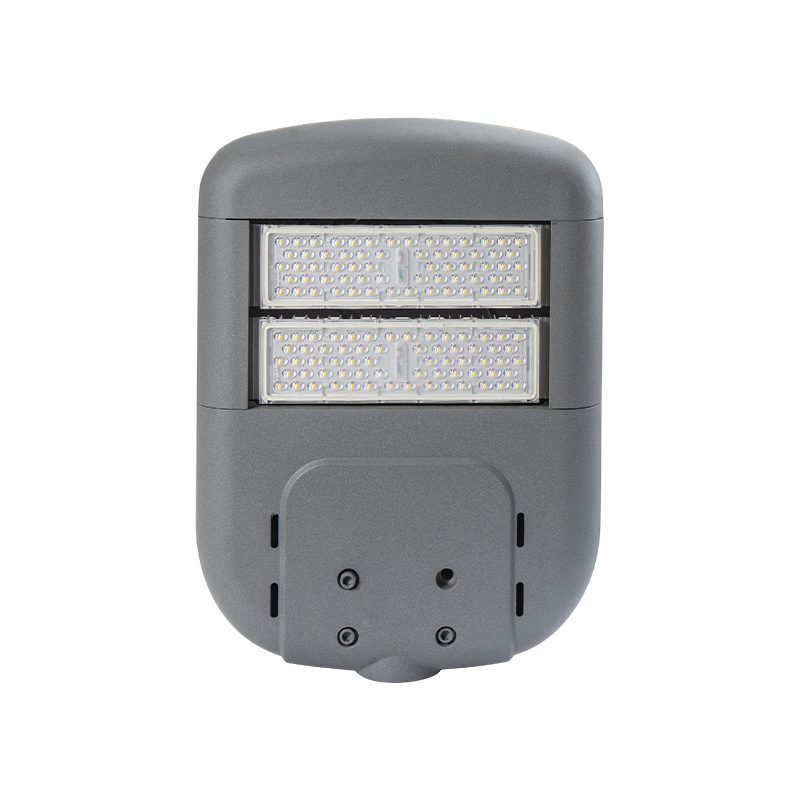
The high-efficiency heat-dissipation LED lighting fixture described in this article is designed as a modular foundation for streetlights, floodlights, tunnel luminaires, and other outdoor lighting systems. It combines a high-brightness LED array, precision optical lenses, a thickened aluminum alloy heat sink, weather-resistant sealing, and waterproof quick-connectors in a compact integrated unit. This architecture enables the same basic lighting module to be adapted to different fixture housings and project requirements.
Rather than treating the luminaire as a single sealed product that must be replaced entirely when a component fails, the modular approach separates the lighting engine from the wider housing and support structure. Project designers can select suitable optical distributions, integrate modules into different fixture bodies, and simplify future service work. The result is a practical solution for professional lighting contractors, municipal projects, industrial facilities, commercial developments, transport infrastructure, and distribution partners seeking a versatile LED lighting platform.
1. The Role of a Modular LED Lighting Engine
A complete outdoor luminaire typically includes a housing, driver, optical system, light source, thermal management components, electrical connections, sealing elements, and mounting hardware. In many conventional designs, these elements are permanently assembled into one product. Such a configuration may be suitable for standardized applications, but it can limit flexibility when a project requires a different beam angle, light output, mounting arrangement, or replacement strategy.
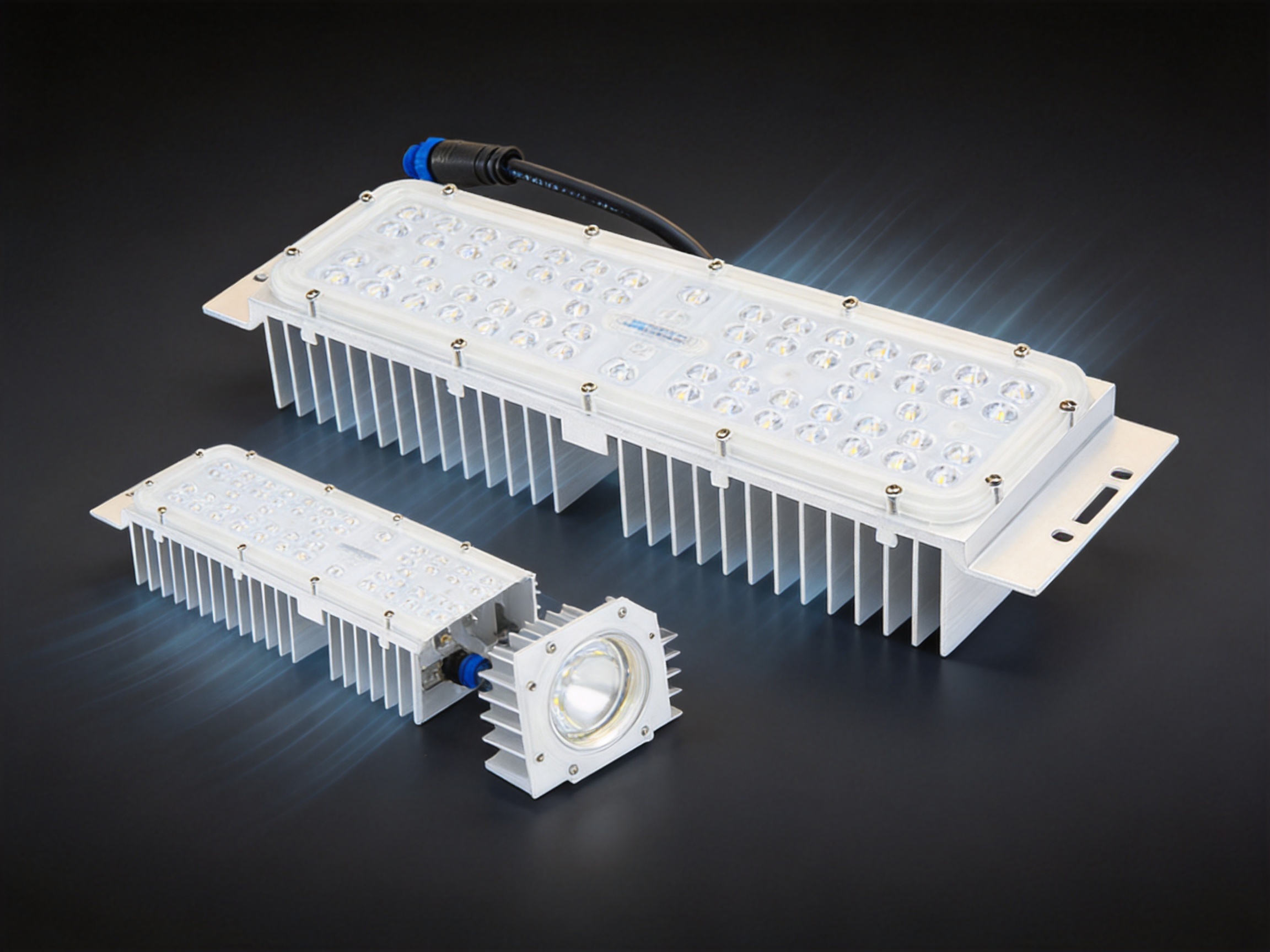
The modular LED fixture addresses this limitation by concentrating the core optical and thermal functions into a replaceable lighting unit. The module contains dozens of high-brightness LED beads arranged within a compact form factor. Precision lenses shape and distribute the emitted light, while the aluminum profile heat sink draws heat away from the LED array. Waterproof quick-connectors provide a practical interface for electrical connection and replacement.
This design allows the module to serve as a building block for a range of lighting products. Multiple modules can be incorporated into larger floodlights or high-output road luminaires. A single module can be used where a more compact fixture is appropriate. Different lenses can be selected according to road width, mounting height, target area, tunnel geometry, or architectural requirements.
For manufacturers and project integrators, this modularity can reduce product development time. Instead of engineering an entirely new light source for every project, the same proven module platform can be adapted to multiple housings and applications. For end users, it can simplify spare-parts management and make future upgrades easier to plan.
2. High-Efficiency LED Performance
The module uses an LED light source with a listed luminous efficacy of up to 140 lm/W. Luminous efficacy describes the amount of visible light produced for each watt of electrical power consumed. A higher value can help achieve required illumination levels with lower installed wattage, although actual project performance also depends on optical distribution, mounting height, spacing, maintenance conditions, driver performance, and lighting calculations.
High efficacy is particularly valuable in roadway and area lighting, where fixtures operate for long periods and energy consumption represents a major portion of total operating cost. When a lighting system is correctly designed, improved efficacy can reduce energy demand without sacrificing the required illuminance or uniformity. It can also support a more favorable balance between lighting performance, power infrastructure, and environmental objectives.
The LED array is designed for applications that require consistent, high-brightness illumination. The compact arrangement of multiple LED beads allows the module to provide substantial light output from a relatively small area. This makes it suitable for installation in modular streetlights, floodlights, and other fixtures where space is limited but optical performance remains important.
The product supports color temperatures from 3000K to 6000K. Warmer color temperatures can create a softer visual environment and may be preferred in certain residential, architectural, hospitality, or environmentally sensitive settings. Neutral and cooler color temperatures can provide a crisp appearance and may be selected for roads, industrial yards, security areas, and large outdoor spaces. The available range gives project planners greater control over the visual character of the installation.
The listed color rendering index is Ra 70. This level is appropriate for many road, industrial, security, and general outdoor lighting applications where efficient visibility and reliable recognition are primary objectives. Project specifications should always be reviewed to confirm that the selected color temperature, color rendering, and optical performance meet local standards and the intended visual requirements.
3. Thermal Management Through a Dense Finned Heat Sink
Thermal management is one of the most important factors in LED fixture design. LEDs are efficient light sources, but a portion of their input energy is converted into heat. If that heat is not transferred away effectively, junction temperatures can rise. Excessive temperature can accelerate lumen depreciation, affect color stability, stress electronic components, and shorten the service life of the lighting system.
This product uses a thickened aluminum profile heat sink with a dense finned structure. The fins increase the available surface area and encourage heat transfer from the LED mounting area into the surrounding air. Aluminum alloy is widely used in professional lighting because it combines relatively low weight, good thermal conductivity, corrosion resistance, and suitability for precision forming and machining.
The heat sink is not simply an accessory attached to the lighting module. It is a central part of the product architecture. The LED array, optical lens assembly, thermal interface, and heat sink must work together so that heat can move efficiently away from the light-emitting components. A properly designed thermal path helps the module maintain more stable operating conditions during long periods of use.
The dense fin arrangement is especially useful for outdoor fixtures that operate through extended nighttime cycles. It provides a greater heat dissipation surface without requiring an excessively large or heavy housing. This can help designers maintain a compact luminaire profile while still addressing thermal performance.
Thermal behavior depends on the complete installation, including ambient temperature, fixture orientation, obstruction around the fins, driver configuration, and actual operating power. The specified operating temperature range of -35°C to 65°C provides a broad reference range for demanding climates. Project engineers should still verify thermal performance under the environmental and installation conditions of each application.
Compared with basic LED modules that use a small flat backing plate or insufficient metal mass, the thickened finned construction offers a more deliberate approach to heat management. It is intended to support stable performance and contribute to a longer useful operating life when the module is installed and operated according to the technical requirements.
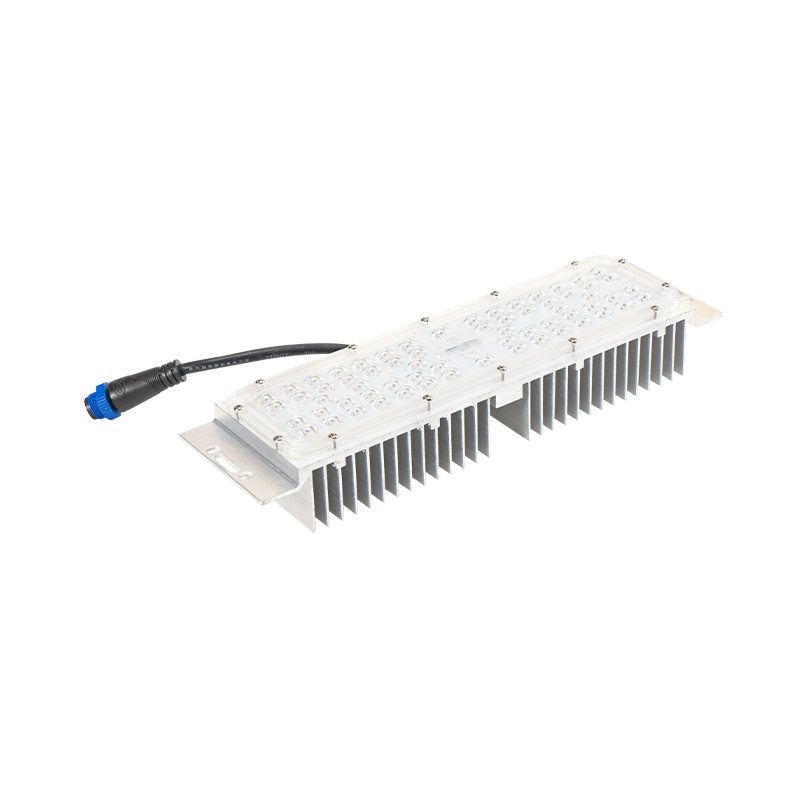
High-Efficiency Heat Dissipation LED Lighting Fixtures
4. Replaceable Optical Lenses for Application Flexibility
Light distribution is as important as light output. A high-output LED array cannot deliver an effective lighting result if the beam pattern does not match the application. Roadways require controlled forward distributions, floodlighting often requires broad or asymmetric coverage, and tunnels may need carefully directed illumination to address wall, ceiling, and pavement geometry.
The distinctive feature of this module is the interchangeability of its optical lenses. Users can select different distributions, such as narrow, medium, or wide beams, according to project requirements. This allows one module platform to support several specialized uses rather than being restricted to one fixed beam pattern.
A narrow distribution can be useful where light must be projected over a longer distance or concentrated within a defined area. A medium distribution can provide a balance between reach and coverage. A wide distribution can support broader illumination where the mounting height is lower or the target area is extensive. The correct choice depends on roadway geometry, pole spacing, fixture height, required uniformity, glare control, and photometric calculations.
Interchangeable optics also create advantages during product development and project customization. A contractor may use the same general module body while selecting different lenses for different locations. A lighting manufacturer can integrate the module into several fixture families. A distributor can offer a more versatile product line without maintaining a completely different light engine for every beam requirement.
Optical flexibility may also reduce the need to compensate for a poor beam pattern by increasing electrical power. When light is directed more effectively, a project can potentially achieve its target performance with a more appropriate wattage and spacing arrangement. This supports energy efficiency and can help limit unwanted spill light.
Optical Selection by Application
For street lighting, the lens should be selected with attention to lane width, pole arrangement, mounting height, setback, road classification, and required uniformity. The goal is not merely to make the road bright, but to distribute light consistently across the intended area while controlling glare and unnecessary spill.
For floodlighting, the optical choice should reflect the size and shape of the target surface. Sports areas, building façades, storage yards, industrial compounds, and construction sites may all require different distributions. A wider lens may cover a broad foreground, while a narrower beam may be useful for long-throw illumination.
For tunnel lighting, optical design must account for a confined environment, viewing direction, entrance and interior zones, vehicle speed, pavement reflectance, and the transition between daylight and artificial light. A modular source with selectable lenses gives the fixture designer a practical starting point for these varying requirements.
5. Weather Resistance and Ingress Protection
Outdoor lighting fixtures are exposed to rain, dust, humidity, temperature changes, windborne particles, and repeated heating and cooling cycles. Water or dust entering the light engine can create corrosion, electrical faults, optical contamination, and premature failure. Sealing quality is therefore a fundamental part of reliability rather than a cosmetic feature.
The lighting module is sealed around its perimeter with a weather-resistant silicone gasket. The gasket forms a protective interface between the module and its surrounding housing. When correctly compressed and installed, it helps prevent moisture and particles from reaching sensitive internal components.
The stated protection rating is IP65. The first digit indicates protection against dust ingress, while the second indicates protection against water jets from different directions. IP65 is commonly used for outdoor luminaires and provides a meaningful level of protection for road, floodlight, and general exterior applications. The complete fixture installation, cable entries, connectors, and housing must be maintained to preserve the intended protection level.
The waterproof quick-connectors complement the perimeter gasket. Electrical interfaces are often vulnerable points in outdoor products, particularly when a fixture is serviced in the field. A connector designed for outdoor use can help reduce exposure-related risks when it is fully engaged, correctly sealed, and protected from mechanical damage.
Weather resistance also depends on manufacturing consistency. A gasket that is unevenly installed, a connector that is incompletely seated, or a housing that is improperly assembled can compromise the intended protection. For this reason, controlled production, inspection, and installation guidance are important elements of the overall product solution.
6. Quick-Connectors and Simplified Maintenance
Long-term maintenance can represent a significant portion of a lighting project’s lifecycle cost. Traditional servicing may require specialized tools, extensive disassembly, or replacement of an entire luminaire even when only the light source or optical component is affected. These procedures increase labor time and can be difficult in locations that require traffic control, lifting equipment, or elevated work platforms.
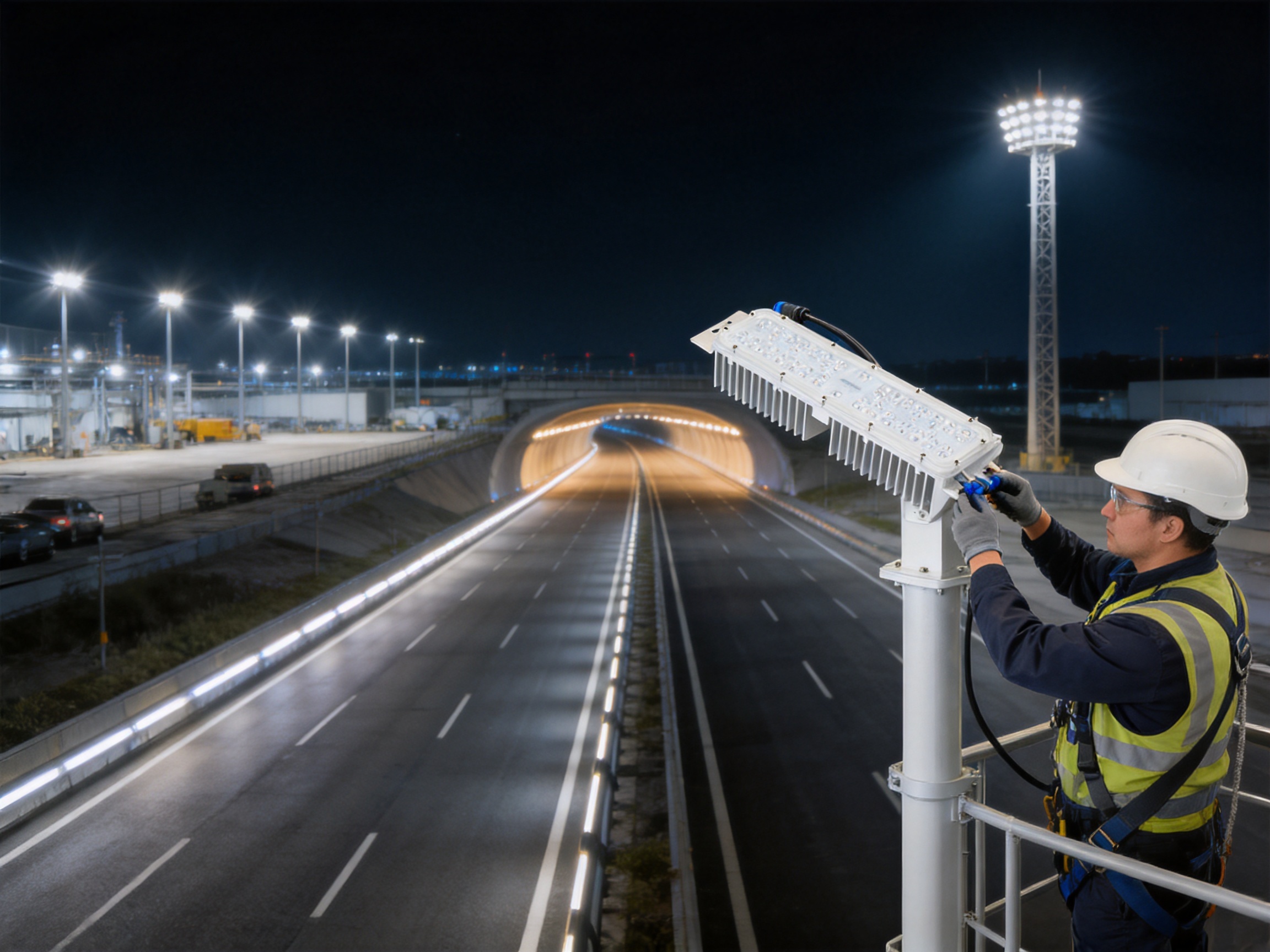
The quick-connector design makes module replacement or upgrading similar to connecting or disconnecting a cable. Qualified service personnel can remove the module from its fixture housing, disconnect the electrical interface, and install a replacement unit without redesigning the entire luminaire. The exact service procedure must follow the installation instructions and applicable electrical safety requirements, but the basic modular concept reduces unnecessary complexity.
This approach can provide several practical benefits. A maintenance team may keep replacement modules in inventory instead of storing complete luminaires for every possible failure scenario. A damaged light engine can be replaced more quickly, helping restore illumination and reduce downtime. Future upgrades may be easier because the housing and support structure can remain in service while the modular lighting unit is changed.
Quick replacement is particularly valuable for roads, bridges, tunnels, industrial yards, logistics centers, and other areas where access is difficult or interruption is costly. It can also support phased modernization programs. An owner may upgrade selected locations first, evaluate performance, and then extend the same module platform across a wider network.
Maintenance simplicity does not eliminate the need for inspection. Connectors should be checked for correct engagement, cable condition, sealing integrity, and signs of water or heat damage. The module and housing should be kept free of excessive dirt or obstructions that could restrict thermal performance.
7. Core Technical Specifications
The following specifications summarize the principal information provided for the lighting module. Final project documentation should confirm the exact model, power rating, driver arrangement, optical distribution, dimensions, and photometric data selected for a specific order.
| Item | Specification | Project Significance |
|---|---|---|
| Product type | Modular LED lighting fixture | Suitable for integration into streetlights, floodlights, and other outdoor luminaires |
| Light source | LED | High-brightness solid-state light source for efficient outdoor illumination |
| Listed luminous efficacy | Up to 140 lm/W | Supports energy-conscious lighting design when matched with appropriate optics and power |
| Input voltage | AC 85–265 V | Broad input range for compatible electrical systems |
| Operating temperature | -35°C to 65°C | Reference range for cold and hot outdoor environments |
| Material | Aluminum alloy | Combines thermal conductivity, structural strength, and relatively low weight |
| Protection rating | IP65 | Protection against dust and water jets when correctly installed |
| Color temperature | 3000K–6000K | Allows selection from warm to cool white appearances |
| Color rendering index | Ra 70 | Suitable for many general road, industrial, security, and outdoor applications |
| Dimming | DC 0–10 V / DALI | Supports compatible control and dimming systems |
| Warranty | 5 years | Provides a defined warranty period subject to applicable terms and conditions |
| Electrical connection | Waterproof quick-connector | Supports simplified installation, replacement, and service |
8. Dimming and Smart Lighting Compatibility
The module supports DC 0–10 V and DALI dimming interfaces. These control options give project designers a path toward lower energy consumption, scheduled operation, adaptive lighting, and integration with broader management systems, provided that the driver, controller, wiring, and commissioning procedures are compatible.
DC 0–10 V control is widely used in commercial and outdoor lighting systems. It allows a controller to request different output levels through a low-voltage control signal. This can be useful for nighttime dimming profiles, occupancy-based strategies, or reducing output during periods of lower traffic.
DALI provides a digital lighting control approach with addressing and communication capabilities. In an appropriately designed system, it can support individual or grouped luminaire control, status monitoring, scene setting, and programmable operating schedules. The precise functions available depend on the DALI equipment and system architecture selected for the project.
Dimming should be evaluated as part of a complete lighting design rather than treated as an isolated feature. The selected driver must support the intended control protocol, and the control system must be configured to maintain safe and stable operation. In road and public-area projects, dimming schedules should also comply with local safety requirements and minimum illumination criteria.
The availability of both DC 0–10 V and DALI options gives the module a wider range of potential applications than a fixed-output fixture. It can be used in conventional installations while also providing a foundation for smart street lighting and energy management projects.
9. Applications Across Outdoor Lighting Projects
Road and Street Lighting
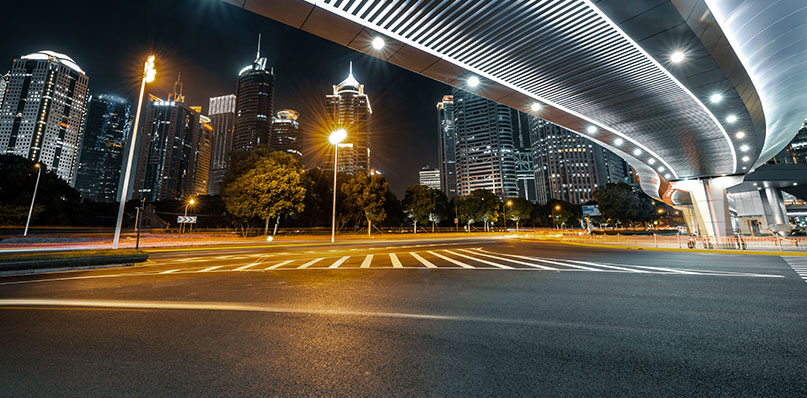
Street lighting requires dependable performance, controlled distribution, resistance to weather, and manageable maintenance. The modular LED fixture can be integrated into road luminaires with optics selected for roadway geometry. Its aluminum heat sink supports thermal control, while the IP65 construction and weather-resistant gasket address common outdoor exposure conditions.
Municipalities and infrastructure operators may also benefit from the ability to standardize a light engine across multiple road sections. A common module can simplify procurement, replacement inventory, technician training, and future LED upgrades. Before installation, lighting designers should complete photometric calculations to confirm spacing, pole height, illuminance, uniformity, glare, and power requirements.
Floodlighting
Floodlighting applications vary significantly, from industrial yards and logistics areas to façades, storage spaces, construction sites, and sports facilities. The interchangeable lenses make the module suitable for different coverage patterns. A narrow or medium beam may be appropriate for long-distance projection, while a wide beam can illuminate a larger nearby area.
The compact module format also supports multi-module floodlights. Several modules can be combined within a larger housing to increase output or create a specific composite distribution. This allows the fixture designer to configure the light source according to the size, height, and geometry of the target area.
Tunnel Lighting
Tunnel lighting places special demands on optical control, environmental protection, reliability, and maintenance access. Fixtures may be exposed to humidity, exhaust residues, dust, vibration, and restricted working space. A sealed modular lighting engine with replaceable optics and quick-connectors can help designers create a serviceable tunnel luminaire platform.
Because tunnel requirements vary by entrance, transition, interior, and exit zones, selectable beam distributions can be advantageous. The final solution must be designed in accordance with tunnel lighting standards, traffic conditions, emergency requirements, and the photometric characteristics of the road surface and surrounding structure.
High-Mast and Mid-Mast Lighting
High-mast and mid-mast systems are used to illuminate large interchanges, ports, airports, industrial compounds, public squares, and wide transportation areas. Maintenance access may be challenging, making serviceability especially important. A modular light source can support replacement strategies that reduce the need to remove an entire fixture assembly.
Multiple modules can be incorporated into a high-output luminaire to provide the required coverage. Beam selection can help direct light toward defined zones and minimize unnecessary spill into neighboring properties or sensitive areas.
Solar and Hybrid Lighting Systems
Although the listed module uses an AC 85–265 V input range, the product concept can also be considered within broader solar or hybrid lighting architectures when an appropriate compatible driver or power conversion system is provided. Solar projects require careful matching of LED power, operating schedule, battery capacity, photovoltaic generation, and seasonal conditions.
Energy-efficient LED performance and dimming capability can support solar lighting calculations by reducing the energy required during low-traffic periods. However, the module should not be connected directly to a photovoltaic or battery system unless the electrical interface and driver are specifically designed for that configuration.
10. Manufacturing Capabilities Behind the Product
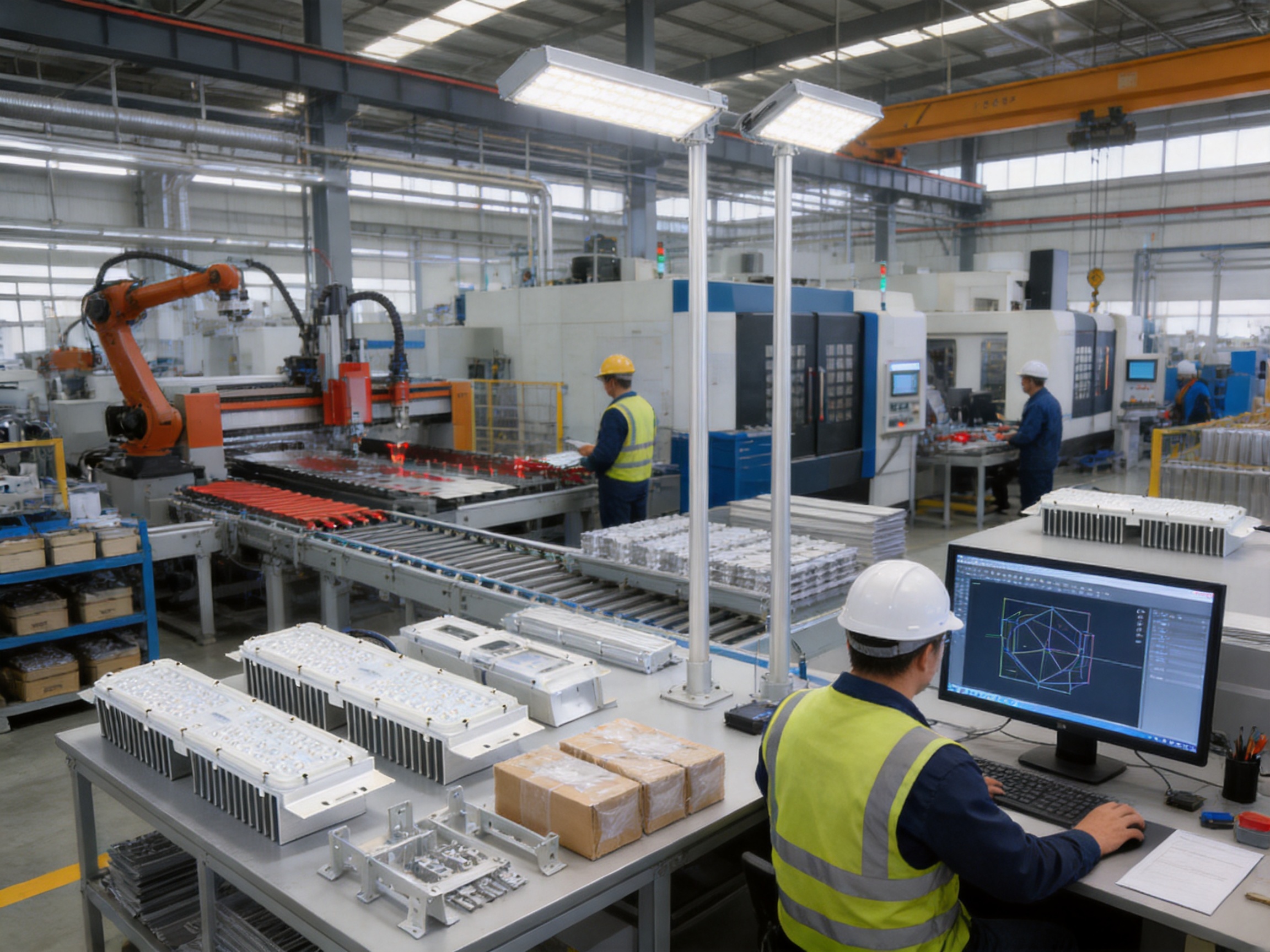
The performance of a lighting fixture depends not only on its design but also on the consistency of its manufacturing process. The supplying company operates as a professional production, design, and engineering organization serving the road illumination industry. Its manufacturing capabilities include lighting products, street light poles, solar streetlights, LED streetlights, light fixtures, and related infrastructure.
The company’s production site covers more than 70,000 square meters and is supported by more than 300 professional technicians. Its products are exported to more than 200 countries, indicating experience with international project requirements, packaging, documentation, and delivery coordination. A broad export base can also provide valuable exposure to different environmental conditions, construction practices, and technical expectations.
Advanced production equipment is used across forming, cutting, welding, coating, and die-casting processes. This equipment supports repeatability and helps reduce the variation that can occur when products are made through inconsistent manual operations.
Material Selection and Inventory
For related structural and lighting infrastructure products, the company identifies material options including Q235B, Q345B, S275JR, S355JR, Q460, A36, A572, GR56, and GR50. Material selection should be based on the requirements of the specific component, including mechanical loading, corrosion environment, fabrication method, applicable standards, and project specifications.
Maintaining an extensive material inventory can help reduce production delays. When suitable materials are available, the manufacturer can respond more quickly to project schedules and avoid unnecessary interruptions caused by long material procurement cycles. Consistent material control also provides a stronger foundation for quality assurance.
CNC Bending
Precision CNC bending is used to create consistent angles and profiles in structural components. Accurate bending can improve dimensional consistency, reduce post-production adjustments, and support better alignment during assembly. It can also contribute to structural integrity by producing repeatable bends with fewer irregularities.
For lighting poles, housings, brackets, and related components, controlled bending is important because small dimensional differences can affect installation, mounting alignment, appearance, and load distribution. CNC equipment provides a more predictable process than uncontrolled manual forming.
High-Accuracy Cutting
The company identifies cutting accuracy of up to 0.01 mm for its precision cutting processes. Such accuracy supports exact dimensions, clean edges, and improved fit between fabricated parts. The actual tolerance achieved depends on the material, equipment, part geometry, and process conditions, but precision cutting contributes to efficient assembly and reduced rework.
Clean and consistent edges are also important for finishing quality. Properly prepared parts can support more uniform welding, grinding, coating, and final inspection.
Welding Expertise
Welding is central to the manufacture of poles, brackets, housings, frames, and other metal components used in outdoor lighting systems. The company employs certified welders with many years of experience. Skilled welding can help provide consistent joints, appropriate penetration, reliable structural performance, and improved production efficiency.
Quality welding is especially important for components exposed to wind, vibration, transportation stress, and repeated environmental loading. Welding procedures should be selected according to the material, joint design, thickness, and applicable project standards. Inspection and finishing are also necessary to ensure that welded areas are properly protected against corrosion.
Automated Production Lines
Automated lines can improve consistency while increasing production capacity. Automation may help control repeatable operations, reduce avoidable labor variation, accelerate production cycles, and support more systematic quality checks. It can also contribute to cost control by improving material utilization and reducing rework.
Automation does not replace engineering judgment or inspection. Instead, it provides a stable production framework in which processes can be measured, monitored, and improved. For large-scale orders, this combination of capacity and process control is important for maintaining consistent product quality across many units.
Powder Electrostatic Painting and Corrosion Protection
Outdoor lighting structures require appropriate surface protection because steel and aluminum components may be exposed to moisture, salts, pollution, and temperature fluctuations. Powder electrostatic painting provides a controlled coating process in which charged powder is applied to a prepared surface and then cured to form a durable finish.
When surface preparation, coating thickness, curing temperature, and inspection are properly controlled, powder coating can improve appearance and contribute to corrosion resistance. The actual durability depends on the substrate, pretreatment, coating system, exposure category, handling, and maintenance conditions.
For projects near coastlines, industrial zones, or heavily polluted environments, the coating specification should be reviewed carefully. Additional corrosion protection or a specialized coating system may be required depending on local conditions.
Large-Capacity Die Casting
A 1250-ton die-casting machine is included among the company’s production resources. Large-capacity die casting can support the manufacture of complex aluminum components with repeatable geometry, integrated features, and efficient production cycles. For lighting products, this capability can be valuable in producing housings, heat-dissipation structures, brackets, and other precision metal parts.
Die-cast components can reduce the number of separate pieces required in an assembly and may support improved dimensional consistency. The final design must still address wall thickness, thermal paths, sealing interfaces, drainage, mounting points, and structural requirements.
11. Quality Systems and International Project Support
The company states that its products and operations are supported by international quality and management standards including ISO 9001, ISO 14001, and OHSAS 18001. ISO 9001 is associated with quality management systems, ISO 14001 with environmental management, and OHSAS 18001 with occupational health and safety management. OHSAS 18001 has been superseded in many contexts by ISO 45001, so project purchasers should confirm the current certification scope and validity applicable to the order.
A formal quality management approach can help establish consistent procedures for procurement, production, inspection, documentation, corrective action, and customer communication. Environmental management practices can support more responsible resource use and pollution control. Occupational safety systems help create safer working conditions in manufacturing and installation environments.
International project support is strengthened by the company’s design and engineering services. Available services include CAD design, three-dimensional product simulation, three-dimensional scene simulation, specification and color customization, mechanical calculations for wind and foundations, and overseas onsite installation guidance.
CAD design can help confirm dimensions, mounting interfaces, cable routing, and assembly relationships before production. Three-dimensional product simulation can assist with design review and visualization. Scene simulation can help customers understand how the product may appear and perform within a road, yard, building, tunnel, or public-space environment.
Mechanical calculations for wind and foundations are particularly relevant to poles and large outdoor lighting structures. These calculations should be based on local wind speed, terrain category, pole height, fixture area, soil conditions, foundation geometry, and applicable standards. Overseas installation guidance can further assist contractors with assembly sequences, connection procedures, and project-specific questions.
12. Advantages Over Less Flexible Competitor Designs
The principal competitive advantage of this product is the combination of modularity, thermal management, optical flexibility, weather protection, and serviceability. Many basic outdoor LED fixtures are designed as fixed assemblies with non-replaceable optics and limited repair options. If the light source or driver fails, the complete fitting may need to be removed and replaced. The modular architecture offers a different lifecycle strategy.
First, the replaceable module can reduce the scope of maintenance. A service team may replace the lighting engine rather than discard the entire housing, mounting system, and structural assembly. This can reduce material waste and potentially lower labor and access costs.
Second, interchangeable lenses provide more application flexibility than a fixture limited to one permanent beam pattern. The same module concept can be adapted to narrow, medium, or wide distributions, helping manufacturers and contractors address more project types.
Third, the thickened aluminum heat sink and dense fins show a stronger focus on thermal design than products that rely on minimal metal structures. Effective heat dissipation can support stable LED performance and help protect the investment in the light source.
Fourth, the silicone perimeter gasket and IP65 rating provide a defined level of environmental protection for outdoor use. When combined with waterproof quick-connectors and correctly assembled housings, these features help address common outdoor reliability concerns.
Fifth, the broad color temperature range and support for DC 0–10 V and DALI controls provide greater system-level flexibility. Customers can specify the visual appearance and control strategy instead of being restricted to one fixed configuration.
Finally, the manufacturer’s production scale and engineering services can be valuable for large projects. The ability to support design, simulation, mechanical calculations, customized specifications, and installation guidance may reduce coordination difficulties between product suppliers, designers, and contractors.
13. Project Design and Installation Considerations
Before ordering, the project team should define the required power, lumen output, beam distribution, color temperature, mounting arrangement, input voltage, control protocol, ambient temperature, and protection requirements. The selected module should be matched with a compatible driver and fixture housing.
Photometric planning should be completed for the actual application. Road lighting calculations should consider pole spacing, mounting height, road width, lane arrangement, pavement reflectance, and target uniformity. Floodlighting calculations should consider the dimensions and reflectance of the area being illuminated. Tunnel projects require additional analysis of entrance zones, transition zones, interior lighting, emergency conditions, and vehicle movement.
The heat sink must remain sufficiently exposed to air according to the fixture design. Paint, insulation, debris, or incorrect mounting that blocks the fins may reduce heat dissipation. The module should be installed in the specified orientation, and any thermal interface materials or fasteners should be applied according to the manufacturer’s instructions.
Electrical connections must be completed by qualified personnel. The AC 85–265 V input range should not be interpreted as permission to connect the module to any source without verification. Voltage, frequency, driver compatibility, grounding, surge protection, wiring size, and local electrical regulations must all be considered.
The IP65 rating depends on correct assembly. Gaskets should be clean, undamaged, and properly seated. Connectors should be fully engaged, and cable entries should be sealed. Any housing opened during maintenance should be reassembled using the correct sealing method.
Outdoor lighting systems may also benefit from surge protection, especially in locations with frequent lightning activity or unstable electrical networks. Surge protection requirements should be evaluated at the luminaire, feeder, distribution board, and control-system levels as appropriate.
14. Lifecycle Value and Sustainability
Energy efficiency is one part of lifecycle value, but it is not the only factor. A durable lighting system should also be maintainable, adaptable, and capable of delivering consistent performance over time. The modular design supports these objectives by allowing the light engine, lens configuration, and control approach to be considered separately from the complete housing.
Lower electrical consumption can reduce operating expenses and associated emissions when the lighting system is properly designed. Dimming can further reduce energy use during periods when full output is unnecessary. However, savings should be calculated from actual operating schedules, power levels, control behavior, maintenance conditions, and local electricity rates.
Replaceable modules can potentially reduce waste by extending the useful life of the housing and mounting structure. Instead of replacing an entire luminaire after a localized failure or technology upgrade, an owner may be able to replace only the relevant module. This supports a more resource-efficient maintenance model.
Manufacturing automation and controlled production processes may also improve material utilization and reduce rework. Environmental benefits depend on the complete manufacturing, transportation, installation, operation, and end-of-life management of the product. Customers seeking sustainability certifications or environmental declarations should request the relevant project documentation.
15. Purchasing Guidance for Distributors and Contractors
Distributors should evaluate the module as part of a product family rather than as a single isolated SKU. The ability to offer different lenses, color temperatures, dimming options, and housing configurations can make the platform suitable for multiple customer segments.
Contractors should confirm compatibility between the module, fixture housing, driver, connectors, brackets, and control system before installation. They should also establish a spare-parts strategy. Keeping replacement modules, gaskets, connectors, and compatible drivers available can help reduce future service delays.
Project owners should review warranty terms, installation requirements, environmental conditions, expected operating hours, maintenance access, and photometric documentation. A five-year warranty is listed for the product, but warranty coverage is normally subject to correct installation, approved operating conditions, product configuration, and the supplier’s terms.
For large projects, purchasers may also request samples, production drawings, photometric files, inspection reports, packaging details, certificates, and quality-control documentation. Confirming these items before mass production can reduce misunderstandings and support smoother project execution.
16. Frequently Asked Questions
What is the main purpose of this LED lighting module?
The module is designed to serve as the core lighting engine for modular streetlights, floodlights, tunnel luminaires, and related outdoor fixtures. It combines the LED array, optics, heat sink, sealing gasket, and quick-connectors in one integrated unit.
Can the lens be changed for different projects?
Yes. The product is designed with interchangeable optical lenses. Narrow, medium, and wide beam options can be selected according to road geometry, mounting height, floodlighting coverage, tunnel layout, and other project requirements.
How does the heat sink improve performance?
The thickened aluminum profile heat sink uses a dense finned structure to increase the heat dissipation area. It helps transfer heat away from the LED array and supports more stable operating conditions during extended use.
Is the module suitable for outdoor installation?
It is designed for outdoor applications and has a stated IP65 protection rating. Its perimeter silicone gasket and waterproof quick-connectors help protect the module when the complete fixture is correctly assembled and maintained.
What is the operating temperature range?
The listed operating temperature range is -35°C to 65°C. Actual performance should be evaluated according to the complete fixture design, installation orientation, ambient conditions, electrical loading, and local environment.
What input voltage does the product use?
The listed input voltage is AC 85–265 V. Compatibility with a particular electrical system must be confirmed together with the driver, frequency, grounding, control equipment, and local electrical requirements.
Does the product support dimming?
Yes. The product information lists DC 0–10 V and DALI dimming support. The driver and external control system must be compatible with the selected interface and correctly commissioned.
What color temperatures are available?
The listed color temperature range is 3000K to 6000K. This allows project teams to select warmer, neutral, or cooler white light according to the application and visual requirements.
What is the listed luminous efficacy?
The listed luminous efficacy is 140 lm/W. Actual system efficacy depends on the selected model, operating current, driver, optical lens, temperature, and other fixture conditions.
Can the module be used in high-mast lighting?
It can be integrated into suitable high-mast or mid-mast luminaires, particularly where multiple modules and controlled beam distributions are required. The final design must address structural loading, access, wind conditions, photometry, and maintenance procedures.
How does the quick-connector help maintenance?
The quick-connector is intended to simplify electrical disconnection and reconnection during module replacement or upgrading. Qualified technicians can potentially service the lighting engine without replacing the complete fixture, subject to the product’s installation instructions.
What manufacturing services are available?
The company provides design and engineering support including CAD design, three-dimensional product simulation, scene simulation, specification and color customization, mechanical calculations for wind and foundations, and overseas onsite installation guidance.
What quality standards are associated with the manufacturer?
The company states that its operations and products are supported by ISO9001, ISO14001, and OHSAS18001-related quality, environmental, and occupational health and safety systems. Purchasers should confirm current certificates and applicable scopes for their project.
What warranty period is listed?
The listed warranty period is five years. Customers should review the complete warranty terms, including installation conditions, operating limits, approved components, maintenance requirements, and claim procedures.
17. Conclusion
The high-efficiency heat-dissipation LED lighting fixture is designed to provide a flexible foundation for modern outdoor illumination. Its high-brightness LED array, listed efficacy of 140 lm/W, dense finned aluminum heat sink, interchangeable lenses, weather-resistant silicone gasket, IP65 protection, and waterproof quick-connectors address many of the practical requirements associated with road and area lighting.
The product’s modular structure distinguishes it from fixed, difficult-to-service lighting assemblies. It allows the light source to be adapted to streetlighting, floodlighting, tunnel lighting, high-mast, mid-mast, and other applications. Its support for DC 0–10 V and DALI control also provides a path toward dimming, energy management, and smart lighting integration.
Equally important, the product is supported by a manufacturer with broad production capabilities. CNC bending, precision cutting, experienced welding teams, automated lines, powder electrostatic painting, and large-capacity die casting contribute to a manufacturing platform suited to customized and large-scale projects. CAD design, simulation, mechanical calculations, and installation guidance further strengthen the company’s ability to support complete lighting and infrastructure programs.
For project owners, designers, contractors, and distributors, the most important step is to match the module configuration to the actual application. Optical distribution, input voltage, driver, control protocol, thermal installation, environmental exposure, mounting arrangement, and maintenance access should all be confirmed before deployment. When properly specified and installed, this modular LED platform can provide a practical combination of efficiency, adaptability, durability, and lifecycle serviceability.
References
1. Product technical information supplied for the high-efficiency heat-dissipation LED lighting fixture, including optical, electrical, thermal, control, protection, and warranty specifications.
2. Manufacturer information supplied for Yangzhou Jinyuan Lamps Co., Ltd., including company history, production capacity, engineering services, certifications, and export experience.
3. General principles of LED luminaire thermal management, aluminum heat-sink design, and junction-temperature control.
4. General guidance for ingress protection classifications and outdoor luminaire enclosure design.
5. General engineering practices for roadway lighting, floodlighting, tunnel lighting, high-mast lighting, and adaptive outdoor lighting controls.
6. General quality-management, environmental-management, and occupational-health-and-safety principles applicable to lighting manufacturing.