


JINYUAN
JINYUAN
JINYUAN
JINYUAN
JINYUAN
JINYUAN
JINYUAN
JINYUAN
JINYUAN
JINYUAN
JINYUAN
JINYUAN
JINYUAN
JINYUAN
JINYUAN
JINYUAN
Content
- 1 Designed for Demanding Roadway Applications
- 2 Modular Light Source Matrix and Its Engineering Value
- 3 Optical Performance for Driver Visibility
- 4 Energy Efficiency and Sustainable Operation
- 5 Robust Construction for Outdoor Infrastructure
- 6 Product Configurations and Selection Guidance
- 7 Advantages Compared with Conventional and Less Flexible Alternatives
- 8 Manufacturing Capabilities and Quality Strengths
- 9 Engineering Services Beyond Product Supply
- 10 Quality Management and International Project Readiness
- 11 Installation and Commissioning Recommendations
- 12 Maintenance and Lifecycle Management
- 13 Environmental and Human-Centered Benefits
- 14 How the Product Supports Smart City Development
- 15 Procurement Considerations for Project Owners
- 16 Recommended Application Workflow
- 17 Conclusion
- 18 Questions and Answers
- 18.1 What type of roads are suitable for this roadway light?
- 18.2 What power levels are available?
- 18.3 What is the expected luminous output?
- 18.4 Can the fixture be dimmed?
- 18.5 What optical distribution does the fixture use?
- 18.6 Is the fixture suitable for cold or hot climates?
- 18.7 What protection rating does the luminaire have?
- 18.8 What materials are used?
- 18.9 What color temperatures are available?
- 18.10 Does the product support smart lighting systems?
- 18.11 What warranty is provided?
- 18.12 Can the fixture finish be customized?
- 18.13 Does the manufacturer provide engineering assistance?
- 18.14 Why is thermal management important in a high-power LED roadway light?
- 18.15 Should the published specifications be verified before ordering?
- 19 References
- 20 Product: Century Light Series High-Power Modular Roadway Light
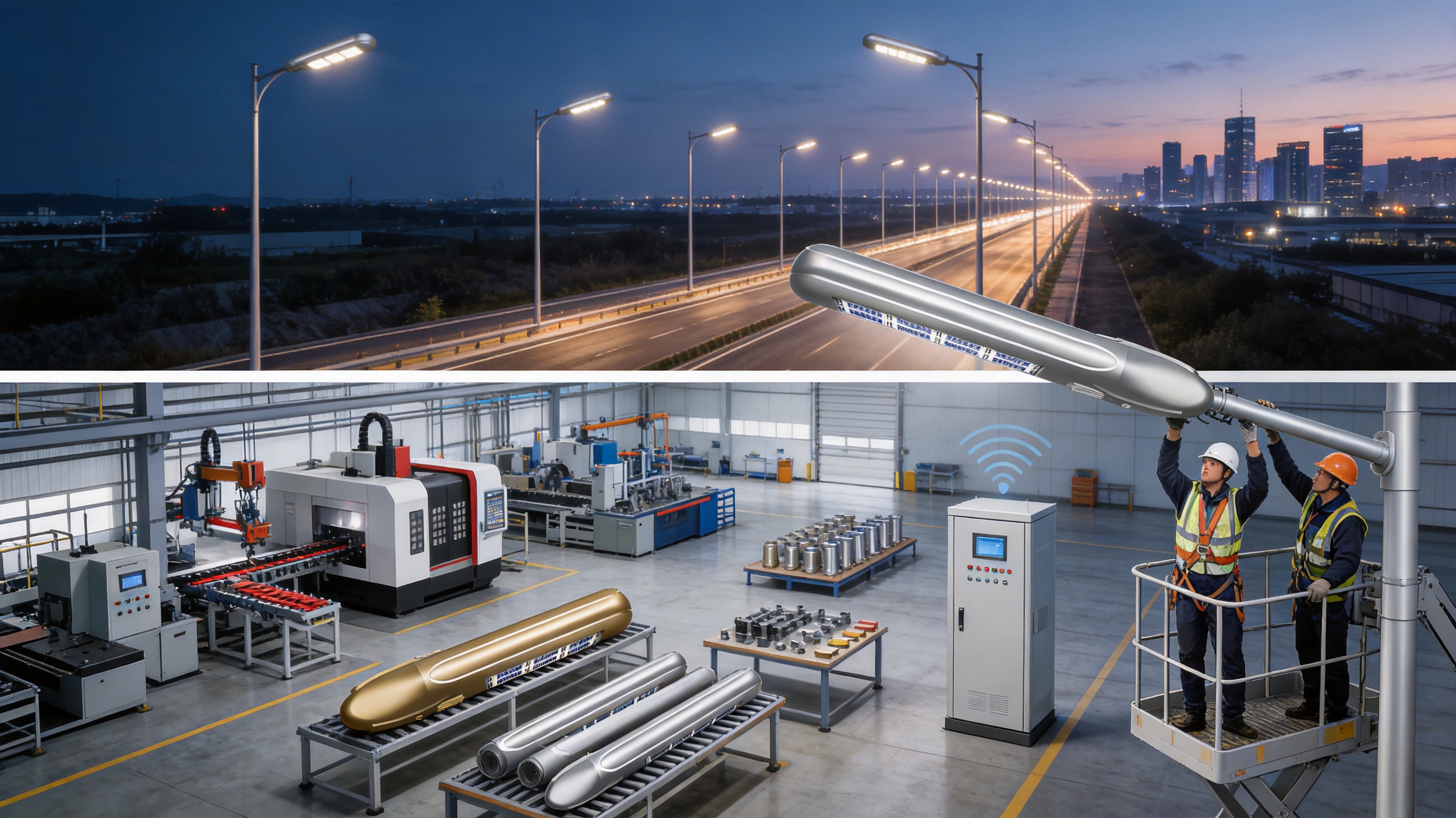
Modern roadway lighting must do far more than provide basic illumination. It must help drivers identify road geometry, recognize traffic signs, respond to pedestrians and other vehicles, and maintain visual comfort over long distances. At the same time, cities and highway authorities expect lighting equipment to consume less energy, require fewer maintenance visits, withstand severe weather, and integrate neatly with increasingly connected infrastructure.
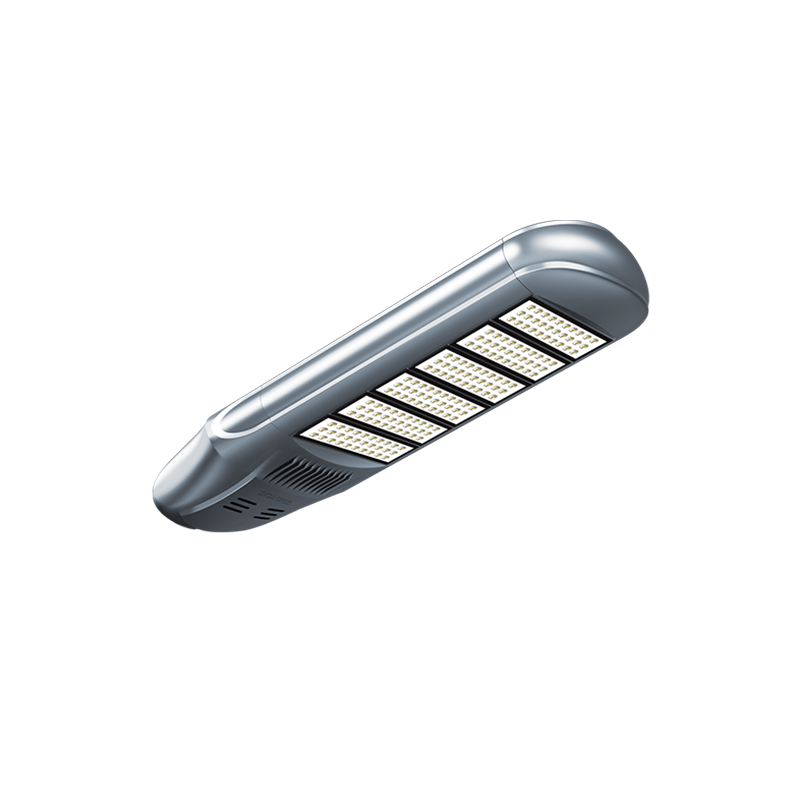
The Century Light Series High-Power Modular Roadway Light has been engineered to address these requirements through a combination of modular LED technology, high-efficiency optics, robust aluminum construction, adaptable electrical performance, and service-oriented mechanical design. Developed for wide arterial roads, urban expressways, major intersections, and high-grade highways, the series covers a broad power range from 60W to 210W. This enables lighting designers to select an output level that corresponds closely with road width, mounting height, pole spacing, traffic conditions, and required illumination standards.
Unlike conventional roadway fixtures that may rely on a single sealed light source or a less flexible internal structure, the Century Light Series uses a modular light source matrix. This architecture distributes the LED packages across multiple modules, supporting a high luminous flux while improving heat dissipation and making future maintenance more accessible. The result is a roadway luminaire designed not only for initial performance, but also for long-term operational stability and practical project management.
Designed for Demanding Roadway Applications
Roads are among the most challenging environments for outdoor lighting equipment. Fixtures must operate continuously through seasonal temperature changes, rain, dust, wind, voltage fluctuations, and vibration. They are also installed at height, which means every maintenance activity may require a lift vehicle, lane closure, traffic management, and additional labor. A reliable roadway luminaire therefore creates value by reducing both energy consumption and the frequency and complexity of service work.
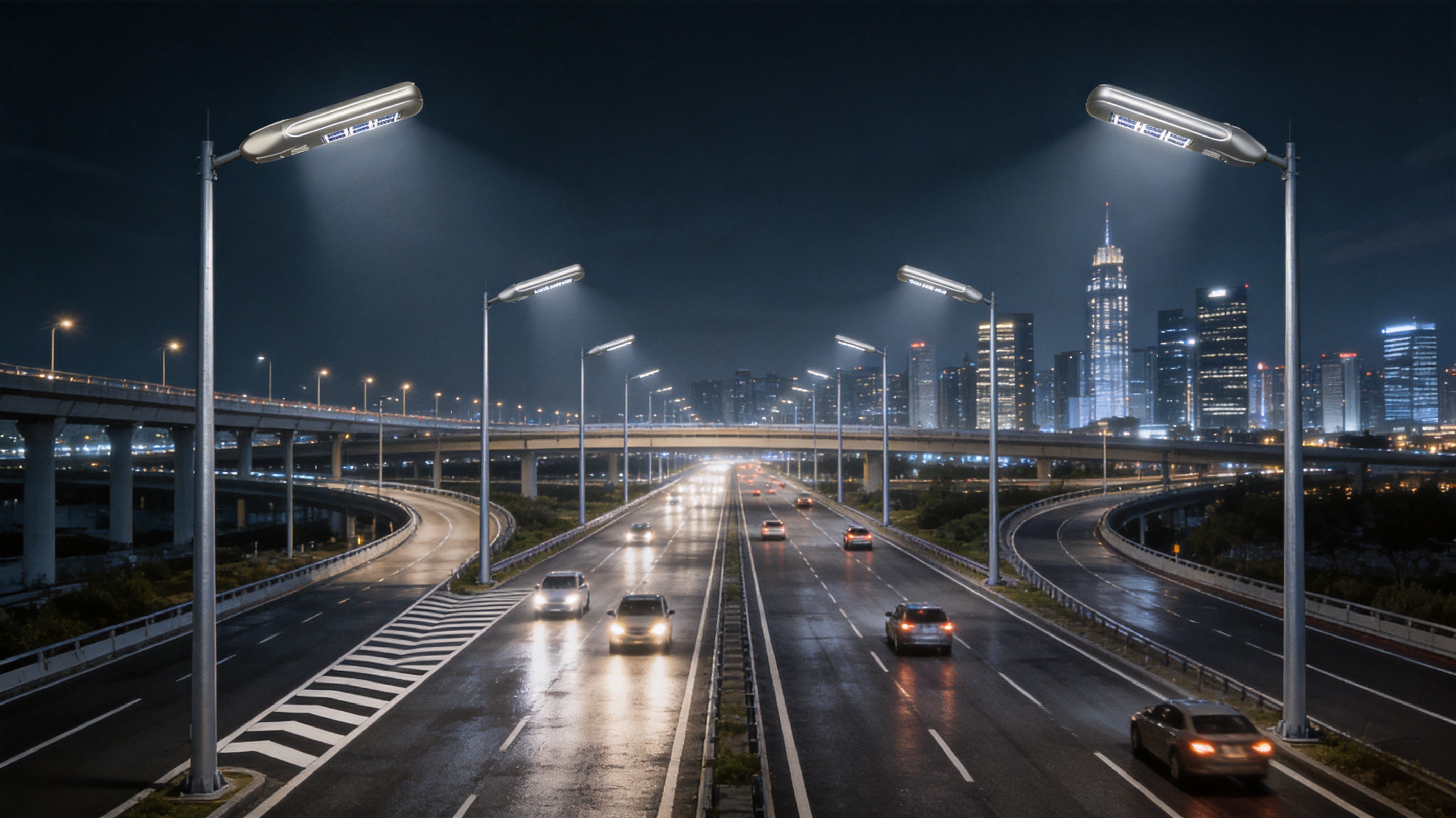
The Century Light Series is intended for major road applications where consistent coverage and high luminous output are essential. Typical applications include urban arterial roads, city ring roads, highways, elevated roads, large industrial access routes, bridges, port roads, airport approaches, logistics corridors, and other high-traffic transportation infrastructure.
Its six available power configurations—60W, 90W, 120W, 150W, 180W, and 210W—allow the same product family to serve different lighting schemes. Lower-output versions may be suitable for narrower carriageways, pedestrian-oriented road sections, or lower mounting heights. Higher-output versions can be selected for broad roadways, multi-lane corridors, high mounting positions, and demanding highway applications.
This product-family approach provides an important advantage over projects that combine unrelated fixtures from multiple manufacturers. A standardized series simplifies appearance, spare-parts planning, installation training, photometric evaluation, and maintenance procedures. It also enables project owners to preserve a consistent visual identity across multiple road sections while selecting different output levels where required.
Modular Light Source Matrix and Its Engineering Value
The core design feature of the series is its modular light source matrix. Instead of concentrating all LED packages in one compact location, the light source is arranged in multiple coordinated modules. This approach offers several practical benefits for roadway projects.
Improved Thermal Distribution
LED performance is strongly influenced by temperature. Excessive heat at the LED junction can accelerate lumen depreciation, affect color stability, and shorten component life. A modular arrangement spreads heat-generating components across a larger surface area. Combined with the aluminum alloy heat sink, this gives heat a more direct path away from the LED packages and into the surrounding air.
The product information identifies an LED junction temperature below 60°C under its stated design conditions. This thermal target supports stable operation and helps protect long-term luminous performance. The published technical data also identifies a high lamp luminous efficiency of up to 140Lm/W, although actual system output will depend on the selected wattage, LED configuration, driver, optical distribution, ambient temperature, and operating conditions.
Accessible Maintenance Architecture
Roadway lighting maintenance is expensive when a complete fixture must be removed or replaced for a localized failure. Modular construction can help maintenance teams isolate a problem more efficiently. Depending on the project configuration and service procedure, individual modules or related components may be inspected, replaced, or serviced without treating the entire luminaire as a single inseparable unit.
This service-oriented design can reduce downtime and simplify spare-parts management. It is particularly valuable for highway operators, municipal lighting departments, industrial parks, and infrastructure owners responsible for large numbers of fixtures distributed over extensive distances.
Scalable Optical Output
Because the series is offered in six power levels, the modular matrix can be adapted to different illumination requirements without abandoning the same basic mechanical platform. This gives designers more flexibility when balancing pole spacing, mounting height, road width, average illuminance, uniformity, and energy targets.
The available initial luminous flux is stated as ranging from approximately 6,600Lm to 23,100Lm across the product range. These values provide a useful planning reference, but final lighting calculations should always use the selected model’s verified photometric file and the specific road geometry.
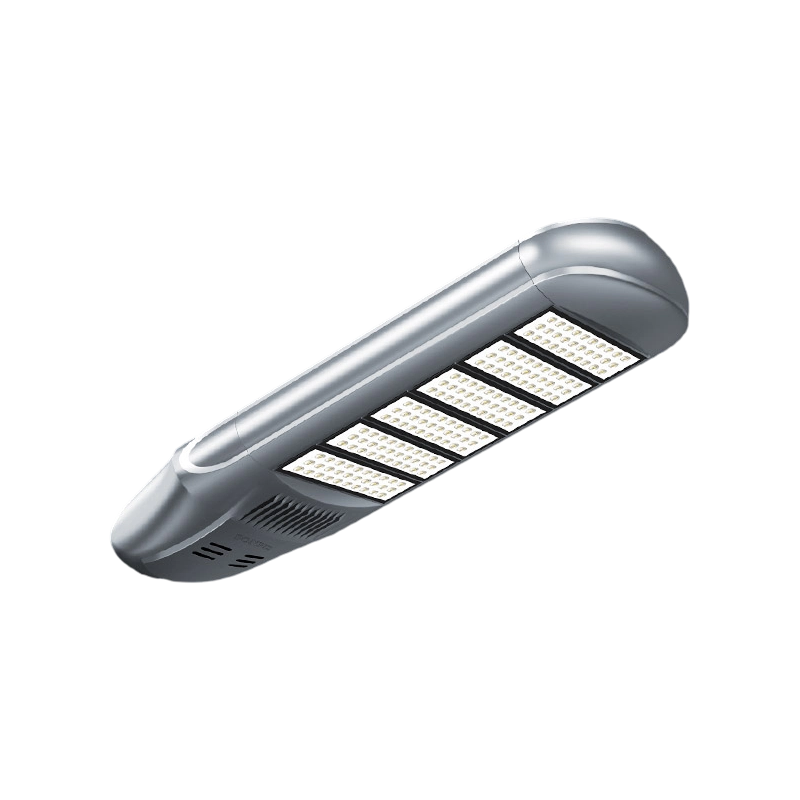
Century Light Series High-Power Modular Roadway Light
Optical Performance for Driver Visibility
Roadway illumination must be distributed across the driving surface rather than concentrated directly beneath each pole. Poor distribution can produce alternating bright and dark zones, uncomfortable glare, distracting hot spots, or insufficient illumination at the edges of the carriageway. Such conditions may reduce visual comfort and make it more difficult for drivers to read the road environment.
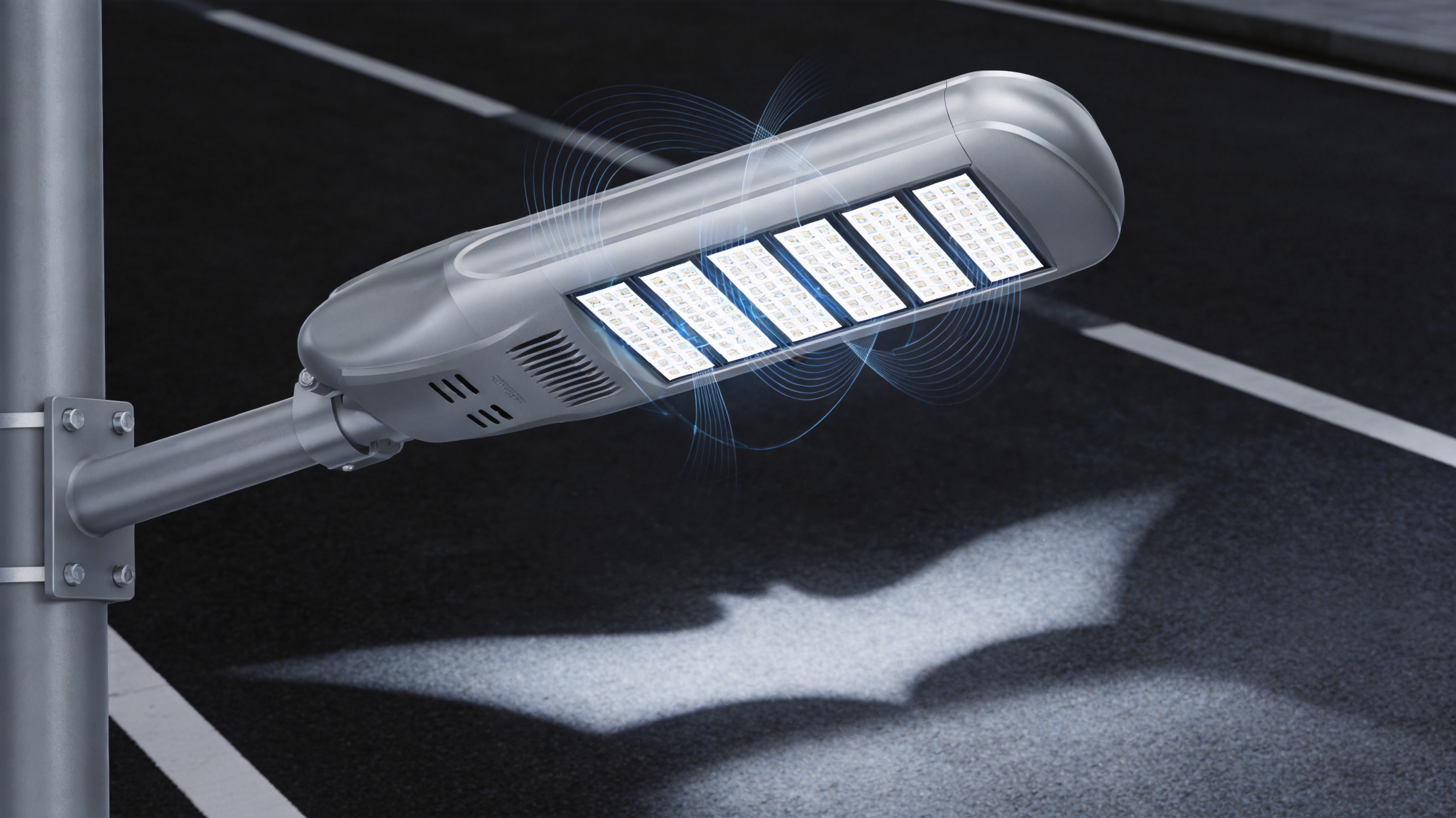
The Century Light Series uses a professionally developed bat-wing light distribution curve. This type of distribution is intended to project light laterally across the roadway while maintaining suitable longitudinal coverage. When matched correctly with pole height and spacing, it can help create a broad and balanced illumination pattern.
The product description indicates a road uniformity ratio exceeding 0.7 under the relevant design conditions. Uniformity is important because drivers must be able to see continuously rather than repeatedly adapt their eyes between bright patches and dark gaps. A balanced distribution can also improve the visual recognition of road markings, lane boundaries, traffic signs, vehicles, and pedestrians.
Reduced Glare and Light Spotting
Traditional high-output fixtures can create discomfort when their optical systems are not properly controlled. Excessive glare may be particularly problematic on wet road surfaces, at intersections, or where vehicles approach the luminaire from multiple directions. The Century Light Series is designed to reduce direct glare and visible light spotting through its optical distribution strategy.
Reduced glare does not mean that every installation will deliver identical visual results. Performance depends on mounting angle, pole height, fixture tilt, road orientation, surrounding buildings, reflective surfaces, and the selected lens or distribution option. Professional photometric simulation remains essential before final installation. Nevertheless, the product’s optical concept gives lighting designers a strong starting point for achieving comfortable and consistent roadway illumination.
Support for Road Safety
Good roadway lighting contributes to safer transportation environments by improving the visibility of obstacles, lane markings, road edges, traffic signs, and other road users. It can also help reduce visual uncertainty at merges, bends, crossings, and intersections.
The series has a stated color rendering index above 75 in its performance description, while the accompanying technical table lists a CRI value of 70. This difference reflects the importance of confirming the exact configuration before procurement. Project specifications should identify the required color rendering level, correlated color temperature, LED package, and test method. Available color temperatures are listed from 3000K to 6000K, allowing the project team to select warmer or cooler white light according to road function, local policy, and environmental considerations.
Energy Efficiency and Sustainable Operation
Street lighting is a major electricity consumer for many municipalities. Fixtures often operate from dusk until dawn, making efficiency improvements valuable over the entire life of an installation. The Century Light Series combines efficient LED chips, advanced packaging, optical control, and optional dimming support to reduce energy use compared with traditional municipal lighting equipment.
The product description states that the series can achieve energy savings of approximately 60% compared with traditional municipal lighting equipment. Actual savings will depend on the baseline technology, operating schedule, wattage selection, dimming strategy, maintenance condition, and local electricity rates. Even so, the transition from older high-pressure sodium, metal halide, or other conventional sources to efficient LED technology can significantly reduce consumption while improving controllability.
High-Efficiency LED Architecture
Imported high-efficiency chips and patented packaging technology are identified among the product’s technical features. Efficient LED packages convert a greater proportion of electrical input into useful visible light, reducing wasted energy and lowering the thermal burden on the fixture. Better thermal control then helps preserve light output over time.
The listed lamp luminous efficiency of 140Lm/W provides a useful indication of the series’ performance level. For a project-level comparison, buyers should review system efficacy rather than LED chip efficacy alone. System efficacy includes the driver, optics, protective components, wiring, and other elements that affect the light delivered by the complete luminaire.
Dimming and Smart Lighting Compatibility
The product supports DC 0-10V and DALI dimming. These interfaces allow the fixture to participate in scheduled or sensor-based lighting strategies when paired with compatible control equipment. For example, a road authority may operate fixtures at full output during periods of heavy traffic and reduce output during low-traffic hours. Lighting levels can also be adjusted for special events, weather conditions, construction zones, or energy-saving programs.
Dimming can extend beyond simple energy reduction. It can support centralized asset management, fault reporting, adaptive lighting, and integration with smart city platforms. When combined with suitable controllers, communication gateways, photocells, or traffic sensors, the luminaire can become part of a broader intelligent roadway system.
Control compatibility should be confirmed during project design. The lighting control protocol, driver model, dimming curve, minimum dimming level, surge protection, communication cabinet, and commissioning process should be defined before installation. Properly coordinated controls help ensure that the energy-saving potential of the fixture is realized without compromising safety or visibility.
Robust Construction for Outdoor Infrastructure
Roadway fixtures must survive weather conditions that are much more severe than those encountered by indoor luminaires. The Century Light Series uses an aluminum alloy lamp body and heat sink, providing a combination of mechanical strength, corrosion resistance, and thermal conductivity.
Aluminum alloy is particularly suitable for high-power LED roadway fixtures because it can transfer heat efficiently from internal components to the external surface. The material is also comparatively lightweight, which helps reduce the load imposed on the pole arm and simplifies handling during installation.
Ingress Protection
The series carries an IP65 protection rating. This indicates protection against dust ingress and water projected by jets from applicable directions. IP65 is widely used for outdoor roadway lighting, but the rating must be understood as one element of a complete environmental protection strategy. Cable glands, connectors, access covers, seals, installation orientation, and maintenance procedures all influence actual field performance.
Keeping the housing and seals in good condition is essential. Maintenance teams should inspect covers, fasteners, cable entries, and drainage paths during scheduled service. Any unauthorized drilling, modification, or improper reassembly may reduce the original protection level.
Wind and Temperature Resistance
The product description identifies a Grade 12 wind resistance index and a stated operating temperature range of -40°C to +50°C. The technical information table lists an operating range of approximately -35°C to +65°C. Since these figures differ, the exact model, driver configuration, certification condition, and project environment should be confirmed in the formal technical datasheet before ordering.
Regardless of the selected specification, the product is intended for demanding outdoor service. Mechanical calculations should consider wind load, projected area, pole height, outreach arm geometry, local wind speed, terrain category, and foundation design. Temperature selection should also account for solar radiation, fixture spacing, enclosure conditions, and the thermal characteristics of the driver compartment.
A lighting manufacturer that can support wind and foundation calculations provides additional value to infrastructure contractors and public-works authorities. These calculations help reduce design uncertainty and support a more complete engineering package rather than treating the luminaire as an isolated component.
Product Configurations and Selection Guidance
The following table summarizes the principal information available for the Century Light Series. Because product configurations may vary according to LED package, driver, optical system, and market requirements, the final purchase specification should be based on an approved technical datasheet and project quotation.
| Item | Available or Stated Specification | Project Significance |
|---|---|---|
| Product type | High-power modular LED roadway luminaire | Designed for arterial roads, highways, and major outdoor infrastructure |
| Power options | 60W, 90W, 120W, 150W, 180W, and 210W | Allows output selection according to road width, pole spacing, and mounting height |
| Initial luminous flux | Approximately 6,600Lm to 23,100Lm | Provides a broad output range for different road classes |
| Input voltage | AC85-260V in the product description; AC85-265V in the technical table | Suitable for varied power-grid conditions; final range should be confirmed |
| Input frequency | 50Hz to 60Hz | Supports common international electrical systems |
| Light source | LED | Provides efficient, controllable, long-life illumination |
| Lamp efficiency | Up to 140Lm/W | Supports energy-efficient roadway operation |
| Optical distribution | Bat-wing roadway distribution | Promotes broad coverage and improved uniformity |
| Uniformity | Stated above 0.7 under applicable conditions | Helps reduce bright and dark zones on the road surface |
| Material | Aluminum alloy | Supports heat dissipation, strength, and outdoor durability |
| Protection rating | IP65 | Protects against dust and water jets under rated conditions |
| Color temperature | 3000K to 6000K | Offers warmer or cooler white-light options |
| Color rendering | Published values include Ra greater than 75 and Ra 70 | Exact CRI should be confirmed for the selected configuration |
| Dimming | DC 0-10V and DALI | Enables scheduled, adaptive, or centralized lighting control |
| Warranty | 5 years | Provides long-term product support for qualified installations |
| Finish options | Gray, white, black, blue, and orange | Supports visual integration with urban and architectural environments |
Choosing the Correct Power Level
Power selection should not be based solely on the wattage used by a nearby project. The correct model depends on the complete lighting design. Important factors include the number of lanes, carriageway width, pole height, pole spacing, mounting arrangement, road classification, pavement reflectance, target average illuminance, uniformity requirements, glare limits, and local regulations.
A 60W or 90W fixture may be appropriate for smaller road sections, service roads, frontage roads, or installations with closely spaced poles. Medium-power models such as 120W and 150W can serve many standard urban arterial applications. The 180W and 210W versions are better suited to broader roadways, greater pole spacing, high mounting positions, or projects requiring higher light output.
These examples are general planning guidance rather than a substitute for photometric design. A lower-wattage fixture installed with optimized spacing may outperform a higher-wattage fixture used in an unsuitable arrangement. Careful simulation can prevent over-lighting, reduce unnecessary energy consumption, and improve uniformity.
Choosing Color Temperature
Color temperature affects the atmosphere and visual character of a roadway. Warmer options around 3000K may be suitable for residential districts, heritage areas, parks, or locations where visual comfort and reduced short-wavelength content are priorities. Neutral or cooler options between approximately 4000K and 6000K may be selected for highways, industrial areas, logistics centers, and locations where a brighter, more alert visual appearance is desired.
The best choice should consider local lighting policy, ecological sensitivity, nearby residences, weather conditions, camera systems, traffic requirements, and the color of surrounding architecture. A consistent color temperature across a project generally provides a more coherent visual environment.
Advantages Compared with Conventional and Less Flexible Alternatives
The Century Light Series offers several competitive advantages when compared with older conventional fixtures or basic non-modular LED roadway lights.
Higher Efficiency Than Traditional Discharge Lighting
LED technology can deliver useful roadway illumination with less electrical consumption than many legacy high-intensity discharge systems. It also provides immediate start-up, improved controllability, and more precise optical distribution. These benefits can lower operating costs and reduce the need for oversized electrical infrastructure.
More Flexible Than Single-Output Fixtures
A single-output fixture family may force designers to accept excessive wattage on smaller roads or insufficient output on larger ones. Six power configurations provide more precise matching between the luminaire and the road design. This flexibility helps reduce over-lighting and supports consistent product appearance across different road sections.
More Serviceable Than Fully Integrated Sealed Designs
Some compact roadway fixtures are difficult to service because the light source, heat sink, driver, and housing are tightly integrated. The modular matrix approach provides a more accessible foundation for inspection and component-level maintenance. This can be especially advantageous for operators managing large networks where every service visit affects traffic, labor, and equipment costs.
Better Thermal Strategy for High-Output Operation
High-power LED fixtures generate considerable heat. A properly designed aluminum heat sink and distributed module structure can improve thermal transfer compared with undersized housings or poorly ventilated internal layouts. Maintaining a lower junction temperature helps protect light output and supports longer service life.
Greater Control Potential
Support for DC 0-10V and DALI makes the product more suitable for modern adaptive lighting systems than fixtures without dimming capability. The same luminaire can be used in a basic stand-alone installation or integrated into a more advanced control strategy as project requirements evolve.
Improved Aesthetic Coordination
Road infrastructure is part of the public realm. The availability of gray, white, black, blue, and orange finishes allows project owners to coordinate fixtures with poles, buildings, landscape elements, transportation branding, and municipal design standards. This is a practical advantage for urban renewal projects and high-visibility developments.
Manufacturing Capabilities and Quality Strengths
The performance of a roadway luminaire depends not only on its design but also on the consistency of its manufacturing process. Yangzhou Jinyuan Lamps Co., Ltd. operates as a professional production, design, and engineering company serving the road illumination industry. Established in 2002 and affiliated with Jinshang Electric Group, the company specializes in street light poles, LED street lights, solar street lights, light fixtures, and related infrastructure products.
The company’s manufacturing and engineering base covers more than 70,000 square meters and includes more than 300 professional technicians. Its reported export reach extends to over 200 countries, giving the organization experience with varied project requirements, climate conditions, electrical standards, and procurement procedures.
Material Availability and Production Continuity
For large infrastructure programs, material availability can determine whether a project stays on schedule. The company identifies a broad material option range, including Q235B, Q345B, S275JR, S355JR, Q460, A36, A572, GR56, and GR50, among others. Maintaining extensive material stock can reduce procurement delays and provide a more stable foundation for large-volume production.
Although these steel grades are particularly relevant to poles and structural products, the same supply-chain discipline supports the broader lighting product portfolio. Stable sourcing helps manufacturers maintain consistent specifications, avoid substitutions without approval, and respond more quickly to urgent project requirements.
CNC Bending and Structural Accuracy
Precision CNC bending is used to improve repeatability and structural integrity. Consistent bending angles and dimensions reduce post-production adjustments and help ensure that structural components fit correctly during assembly. For roadway infrastructure, this matters because pole arms, brackets, access covers, mounting interfaces, and related parts must align reliably in the field.
High-Accuracy Cutting
The manufacturing information identifies cutting accuracy of approximately 0.01mm. High-accuracy cutting contributes to clean edges, exact dimensions, and consistent fit between components. It can also reduce material waste and limit the amount of manual correction required after fabrication.
Automated Welding and Corrosion Protection
Automated production lines support faster manufacturing cycles and more consistent quality control. Automated welding can help maintain repeatable weld profiles and reduce variation between batches, while controlled surface treatment and powder electrostatic painting improve the anti-corrosion performance of outdoor components.
Corrosion protection is particularly important for road lighting because fixtures and poles may be exposed to rain, humidity, road salt, industrial pollutants, and coastal atmospheres. The exact coating system should be selected according to the project environment, and buyers should request details regarding surface preparation, coating thickness, adhesion, curing, and corrosion testing.
Experienced Certified Welders
Automation is complemented by a team of certified welders with extensive experience. Skilled welding personnel are important when products involve customized structures, non-standard components, complex assemblies, or large project quantities. Their expertise supports both quality and production speed, helping projects meet delivery schedules without sacrificing structural reliability.
Large-Scale Die Casting Capability
The company also identifies a 1,250-ton die casting machine among its advanced manufacturing equipment. Large-capacity die casting supports the production of strong, accurately formed aluminum components, including housings and heat-dissipation structures. Consistent die-cast geometry can improve assembly accuracy, sealing performance, external appearance, and thermal contact.
Engineering Services Beyond Product Supply
A major strength of an experienced roadway lighting manufacturer is the ability to support the entire project lifecycle. Product supply alone may not be sufficient for complex highway, municipal, industrial, or overseas infrastructure projects. The company provides a range of design and engineering services intended to connect product selection with practical installation.
CAD Design
CAD design helps project teams review fixture dimensions, mounting interfaces, pole arrangements, cable routing, and installation clearances before production. Accurate drawings are particularly important when the luminaire must fit existing pole arms or when a project uses customized brackets.
Three-Dimensional Product Simulation
Three-dimensional product simulations provide a clearer understanding of the fixture’s form, component arrangement, and relationship with associated infrastructure. They can support design approvals, manufacturing reviews, installation planning, and communication between owners, consultants, contractors, and suppliers.
Three-Dimensional Scene Simulation
Scene simulation places the lighting equipment into a representation of the actual roadway or urban environment. This helps stakeholders evaluate appearance, scale, finish color, pole proportions, and visual integration with buildings and landscaping. It is useful when the lighting system must meet both functional and aesthetic objectives.
Specification and Color Customization
Different projects may require specific wattages, color temperatures, finishes, control interfaces, mounting structures, or labeling. Specification and color customization enables the product to align more closely with local standards and architectural requirements. Such customization can help create a unified identity across a transportation corridor.
Mechanical Calculation for Wind and Foundations
Wind and foundation calculations support the structural design of poles and associated mounting systems. These calculations may consider fixture weight, projected area, wind speed, pole geometry, soil conditions, foundation dimensions, and applicable standards. Providing this engineering support helps reduce the risk of selecting a luminaire or pole arrangement that is unsuitable for the local environment.
Overseas Installation Guidance
International projects often involve local contractors who need clear installation procedures and technical coordination. Overseas onsite installation guidance can help address mounting orientation, cable connection, driver configuration, dimming interfaces, sealing, torque requirements, and commissioning. This assistance is valuable when local site conditions differ from those assumed during initial design.
Quality Management and International Project Readiness
The company reports compliance with international management and quality standards including ISO9001, ISO14001, and OHSAS18001. These standards reflect a structured approach to quality management, environmental management, and occupational health and safety. For buyers, this provides a useful indication that production is organized around documented processes rather than depending solely on informal inspection.
Quality management should include incoming material inspection, component verification, assembly checks, electrical testing, optical testing, sealing inspection, aging tests, packaging inspection, and traceability. For high-power LED roadway products, important verification points may include driver performance, insulation resistance, grounding continuity, surge protection, power factor, total harmonic distortion, luminous output, color temperature, and photometric distribution.
International project readiness also requires careful attention to packaging and logistics. Roadway fixtures may travel long distances and pass through multiple handling stages before reaching the installation site. Protective packaging should prevent impact damage, moisture exposure, surface abrasion, and deformation of brackets or connectors. Clear labeling helps contractors identify model, power, voltage, optical type, and installation orientation.
Installation and Commissioning Recommendations
Before installation, the project team should confirm that the selected fixture matches the approved lighting calculation. The luminaire model, wattage, color temperature, optical distribution, dimming interface, and mounting accessories should be checked against the purchase order and approved submittal.
Pole foundations, brackets, and outreach arms should be inspected for structural integrity and alignment. The mounting angle should follow the photometric design. Even a small change in tilt can affect the distribution of light on the road and may increase glare or reduce uniformity.
Electrical connections should be completed by qualified personnel according to local electrical codes. The input voltage, grounding method, cable size, protective devices, surge protection, and control wiring should all be verified. If DALI or 0-10V control is used, polarity, addressing, communication settings, and compatibility with the central management system should be tested before the roadway is opened to traffic.
After installation, commissioning should include visual inspection during daylight and nighttime operation. Teams should check for abnormal flicker, incorrect color temperature, uneven brightness, unexpected glare, loose components, water entry, or communication faults. Where practical, illuminance and uniformity measurements should be compared with the approved design values.
Maintenance and Lifecycle Management
LED roadway fixtures generally require less frequent maintenance than conventional lamps, but they are not maintenance-free. A planned maintenance program helps preserve safety, efficiency, and warranty eligibility.
Routine inspections should examine the housing, optical cover, mounting hardware, cable entries, connectors, and pole interface. Dirt or deposits on the optical surface can reduce delivered light even when the LED source continues to operate normally. Cleaning frequency should reflect local conditions such as dust, pollution, salt spray, insects, and nearby construction activity.
Maintenance teams should also review control-system records where smart dimming is used. Abnormal energy consumption, communication loss, repeated driver alarms, or unexpected output changes may indicate developing faults. Early detection can prevent a localized issue from becoming a larger network problem.
The five-year warranty listed for the product provides additional assurance for qualified projects, subject to the manufacturer’s warranty terms, installation requirements, environmental conditions, and maintenance procedures. Buyers should request a written warranty document that defines coverage for the LED modules, driver, housing, finish, control components, and replacement process.
Environmental and Human-Centered Benefits
The series is described as mercury-free, UV-free, and free from radiation associated with conventional concerns about lighting equipment. LED roadway lighting can support more responsible urban development by reducing energy consumption and limiting the need for frequent lamp replacement.
Lower electricity demand can reduce operational carbon emissions where electricity generation is carbon-intensive. Longer service life can also reduce the quantity of lamps and electronic components entering the waste stream. These benefits are strongest when the fixture is correctly designed, operated, maintained, and eventually recycled through an appropriate process.
Lighting quality also affects people and the urban ecosystem. Excessive glare, poorly controlled spill light, and inappropriate color temperature can disturb residents, wildlife, and nearby properties. A carefully designed bat-wing distribution, suitable mounting angle, accurate dimming schedule, and appropriate color selection can help balance roadway safety with responsible nighttime environmental management.
How the Product Supports Smart City Development
Roadway lighting is increasingly becoming a platform for connected infrastructure. A fixture that supports dimming and has a serviceable modular structure can be integrated into broader city management programs. Potential functions include scheduled dimming, energy monitoring, fault alerts, asset identification, traffic-responsive lighting, environmental sensing, and remote maintenance planning.
The Century Light Series is not limited to one operating model. It can be deployed as a conventional grid-connected LED roadway luminaire, or it can form part of a more advanced lighting network when paired with appropriate controllers and communication equipment. This adaptability protects the owner’s investment as infrastructure management systems develop.
For smart city projects, it is important to define interoperability early. The owner should identify required communication protocols, cybersecurity practices, data ownership, network architecture, replacement procedures, and long-term software support. The luminaire, driver, controller, and management platform should be tested together rather than approved independently.
Procurement Considerations for Project Owners
When purchasing high-power roadway luminaires, buyers should evaluate the complete lifecycle rather than comparing only unit price or nominal wattage. A lower-cost fixture may become more expensive if it consumes more electricity, has poor thermal performance, requires frequent replacement, or lacks technical support.
Important procurement documents include the product datasheet, photometric file, electrical specification, installation manual, warranty statement, quality certificates, test reports, packaging details, spare-parts list, and control-system compatibility information. For large projects, buyers should also request sample approval, production inspection procedures, and a defined process for handling nonconforming products.
The manufacturer’s ability to provide CAD drawings, 3D simulations, color customization, mechanical calculations, and overseas installation guidance can reduce coordination costs. These services are especially valuable for projects involving multiple contractors, unusual pole arrangements, strict architectural requirements, or remote installation locations.
Buyers should also resolve apparent specification differences before contract signing. In the supplied information, input voltage is described as both AC85-260V and AC85-265V, operating temperature is presented as both -40°C to +50°C and -35°C to +65°C, and color rendering is listed as both above 75 and 70. These variations may correspond to different configurations or documentation versions, but they should be clarified in the final approved technical schedule.
Recommended Application Workflow
A successful roadway lighting project typically begins with a site survey. The survey should document road width, lane arrangement, pole positions, mounting heights, existing electrical infrastructure, traffic patterns, surrounding buildings, environmental conditions, and local lighting regulations.
The next step is to establish lighting objectives. These may include average illuminance, minimum illuminance, uniformity, glare control, color temperature, dimming schedules, energy targets, and appearance requirements. The design team can then select the appropriate Century Light Series wattage, optical distribution, finish, and control interface.
Photometric simulation should be completed using verified data for the exact model. The simulation should test alternative pole spacing, mounting height, tilt angle, and power levels. It should also consider maintenance factors and the expected reduction in light output over time.
After the design is approved, mechanical and electrical coordination should be completed. Pole and foundation calculations, cable schedules, control-system diagrams, installation details, and inspection plans should be prepared before manufacturing begins. This approach reduces field changes and supports more predictable project delivery.
Finally, installation and commissioning should be documented. The project owner should retain model information, serial numbers, installation dates, control addresses, warranty records, test results, and maintenance instructions. Good documentation turns a collection of fixtures into a manageable long-term lighting asset.
Conclusion
The Century Light Series High-Power Modular Roadway Light is designed for the practical demands of modern arterial roads and highways. Its principal advantages include a broad 60W to 210W power range, modular LED light source architecture, efficient bat-wing optical distribution, high luminous output, aluminum alloy thermal management, IP65 protection, optional 0-10V and DALI dimming, multiple finish options, and a five-year warranty.
Compared with conventional lighting technologies and less flexible LED alternatives, the series offers a stronger combination of energy efficiency, optical control, service accessibility, thermal performance, and application flexibility. Its value is further supported by the manufacturer’s production capabilities, including precision CNC bending, high-accuracy cutting, automated welding and painting, large-capacity die casting, experienced certified welders, material availability, and structured quality management.
The company’s engineering services extend from CAD design and 3D simulation to specification customization, wind and foundation calculations, and overseas installation guidance. This broader project support can help infrastructure owners and contractors move from product selection to successful installation with fewer coordination risks.
For the best result, each project should confirm the exact product configuration, photometric data, operating limits, electrical range, color rendering performance, control compatibility, and environmental requirements before purchase. When properly selected, installed, commissioned, and maintained, the Century Light Series can provide efficient, uniform, and durable illumination for the roads that connect modern communities.
Questions and Answers
What type of roads are suitable for this roadway light?
The series is intended for wide arterial roads, highways, urban expressways, ring roads, bridges, industrial access roads, logistics corridors, airport approaches, and other major transportation routes requiring high-quality outdoor illumination.
What power levels are available?
The available configurations are 60W, 90W, 120W, 150W, 180W, and 210W. The correct selection depends on road width, pole spacing, mounting height, target illuminance, uniformity, and local standards.
What is the expected luminous output?
The stated initial luminous flux range is approximately 6,600Lm to 23,100Lm across the six power configurations. The exact output should be confirmed using the photometric data for the selected model.
Can the fixture be dimmed?
Yes. The technical information identifies DC 0-10V and DALI dimming support. Compatibility between the luminaire driver and the project’s control system should be confirmed during design.
What optical distribution does the fixture use?
The product uses a bat-wing roadway distribution intended to spread light across the carriageway and support a road uniformity ratio exceeding 0.7 under applicable design conditions.
Is the fixture suitable for cold or hot climates?
The product is designed for outdoor operation across a broad temperature range. However, the supplied documents list different temperature limits, so the exact operating range should be confirmed for the selected configuration before procurement.
What protection rating does the luminaire have?
The stated protection rating is IP65, indicating protection against dust ingress and water jets under rated conditions. Proper installation and maintenance of seals, covers, and cable entries are still essential.
What materials are used?
The lamp body and heat sink use aluminum alloy, which supports mechanical strength, heat dissipation, and outdoor durability.
What color temperatures are available?
The listed color temperature range is 3000K to 6000K. Warmer options may suit residential or architectural environments, while neutral or cooler options may be preferred for highways and industrial transportation corridors.
Does the product support smart lighting systems?
The dimming interfaces allow the fixture to work with suitable control equipment for scheduled, adaptive, or centralized lighting. Additional controllers and communication devices may be required for a complete smart lighting network.
What warranty is provided?
The technical information lists a five-year warranty. The final warranty terms, coverage, exclusions, and installation conditions should be reviewed in the formal warranty document.
Can the fixture finish be customized?
Available finish options include gray, white, black, blue, and orange. Additional customization should be discussed during project specification and approval.
Does the manufacturer provide engineering assistance?
Yes. The available services include CAD design, 3D product simulation, 3D scene simulation, specification and color customization, mechanical calculation for wind and foundations, and overseas onsite installation guidance.
Why is thermal management important in a high-power LED roadway light?
Efficient heat dissipation helps control LED junction temperature, reduce lumen depreciation, protect the driver and LED packages, and support stable long-term performance. The product uses an aluminum alloy heat sink and modular light source matrix to improve thermal management.
Should the published specifications be verified before ordering?
Yes. The supplied materials contain differences in input voltage, operating temperature, and color rendering index. The buyer should approve a final technical schedule identifying the exact model and guaranteed values before production.
References
1. Product technical information for the Century Light Series High-Power Modular Roadway Light, including power, optical, environmental, electrical, and control specifications.
2. Manufacturer-provided information concerning production equipment, material options, CNC bending, precision cutting, welding, painting, die casting, and quality-control capabilities.
3. Manufacturer-provided engineering service information covering CAD design, three-dimensional simulation, customization, structural calculations, and onsite installation guidance.
4. ISO 9001, Quality Management Systems—Requirements.
5. ISO 14001, Environmental Management Systems—Requirements with Guidance for Use.
6. International Commission on Illumination, guidance on road lighting performance, visual comfort, glare, and uniformity.
7. General LED luminaire engineering principles concerning thermal management, optical distribution, energy efficiency, ingress protection, and lifecycle maintenance.