


JINYUAN
JINYUAN
JINYUAN
JINYUAN
JINYUAN
JINYUAN
JINYUAN
JINYUAN
JINYUAN
JINYUAN
JINYUAN
JINYUAN
JINYUAN
JINYUAN
JINYUAN
JINYUAN
Content
- 1 1. Product Concept and Application Value
- 2 2. How the Hybrid Energy System Works
- 3 3. Photovoltaic Module Options and Construction
- 4 4. LED Lighting Performance
- 5 5. Advantages Compared with Alternative Solutions
- 6 6. Manufacturing Strength and Quality Control
- 7 7. Engineering Design and Project Customization
- 8 8. Installation, Commissioning, and Maintenance
- 9 9. System Selection and Sizing Considerations
- 10 10. Environmental and Economic Benefits
- 11 11. Why Manufacturing Integration Matters
- 12 12. Recommended Procurement Documentation
- 13 13. Practical Applications
- 14 14. Questions and Answers
- 14.1 Q1: Is this system truly grid-tied or independent?
- 14.2 Q2: How long can the lighting operate without sun or wind?
- 14.3 Q3: Why combine wind and solar energy?
- 14.4 Q4: What photovoltaic module powers are available?
- 14.5 Q5: Are the photovoltaic modules suitable for outdoor conditions?
- 14.6 Q6: What makes the LED lighting suitable for roads?
- 14.7 Q7: Does the LED light contain mercury or emit ultraviolet radiation?
- 14.8 Q8: Can the system be customized?
- 14.9 Q9: What manufacturing capabilities support the product?
- 14.10 Q10: What should be confirmed before ordering?
- 15 15. Conclusion
- 16 References
- 17 Product: Grid-tied solar photovoltaic power generation system
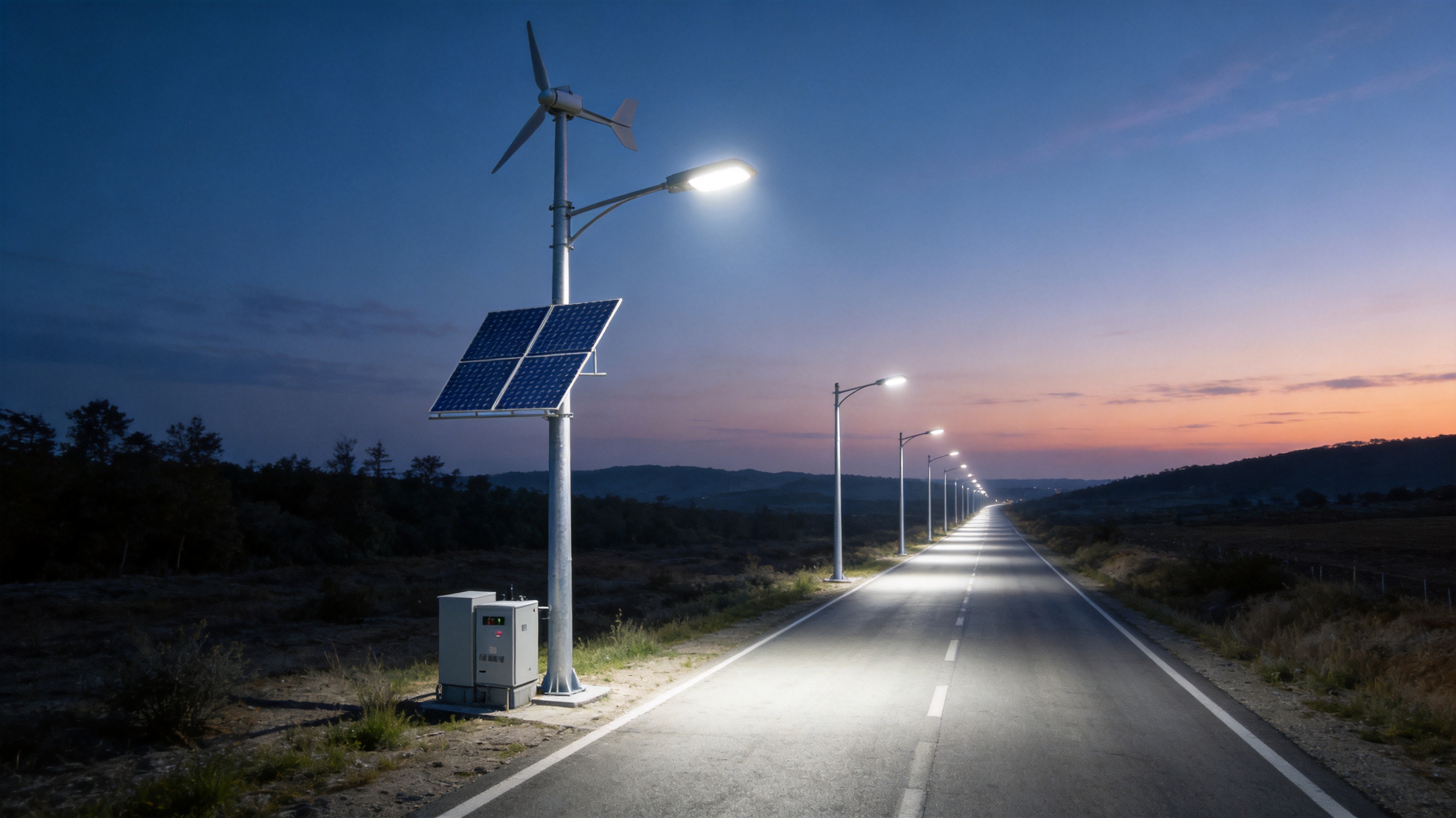
Modern outdoor lighting projects increasingly require more than powerful luminaires and robust support structures. Roads, highways, industrial parks, rural communities, scenic areas, ports, campuses, and remote infrastructure all need dependable illumination, but many locations cannot rely on a stable municipal power supply. Extending the grid to these areas can involve high construction costs, complicated approvals, long project schedules, and substantial maintenance requirements. A hybrid solar photovoltaic power generation system provides an efficient alternative by combining renewable energy generation, intelligent control, battery storage, wind assistance, and high-performance LED lighting in one coordinated solution.
The Grid-tied solar photovoltaic power generation system described in this article is designed for applications that require high energy autonomy and reliable outdoor lighting. Although the product title refers to a grid-tied photovoltaic system, the supplied system description emphasizes independent operation through the integration of photovoltaic modules, a wind generator, a storage battery, a microcomputer controller, and LED lighting terminals. Depending on the project configuration, the system can therefore be adapted for grid-connected, hybrid, or grid-independent operation. Final electrical architecture, battery capacity, inverter selection, and grid interface should be confirmed according to local conditions and project requirements.
At the heart of the system is a complementary renewable-energy model. Solar photovoltaic modules generate electricity during daylight hours, while the optimized three-blade wind generator can continue producing energy when wind conditions are suitable, including periods when solar irradiation is limited. By combining two renewable sources, the system reduces dependence on a single weather pattern. Energy is then managed by a high-performance controller and stored in specialized maintenance-free batteries. The stored energy supports LED lighting at night and helps maintain normal operation during extended periods of poor sunlight and calm wind.
This approach creates several important advantages over conventional single-source solar lighting and traditional grid-powered lighting. The system can reduce trenching and cable installation, lower long-term energy consumption, simplify deployment in remote areas, and improve resilience during utility interruptions. Its intelligent time and light control functions also prevent unnecessary operation, helping to use stored energy more efficiently. At the lighting terminal, advanced LED technology delivers high optical efficiency, uniform pavement brightness, strong color rendering, and an environmentally responsible alternative to older light sources.
1. Product Concept and Application Value
A renewable-energy lighting system must solve two separate challenges: energy generation and nighttime illumination. Solar modules can generate clean electricity, but solar output varies throughout the day and changes with season, cloud cover, shading, temperature, and installation angle. A lighting system that depends solely on photovoltaic production may experience reduced autonomy during consecutive overcast days. The addition of a wind generator creates a second energy channel that can operate at different times and under different weather conditions.
The hybrid design is particularly valuable in locations where wind movement continues after sunset or during periods of weak solar radiation. Wind energy does not eliminate the natural variability of renewable resources, but it can compensate for some of the limitations associated with a photovoltaic-only system. This makes the system more suitable for remote roads, mountain routes, coastal facilities, open industrial areas, border infrastructure, rural roads, landscape projects, and other applications where dependable operation is more important than access to a conventional utility connection.
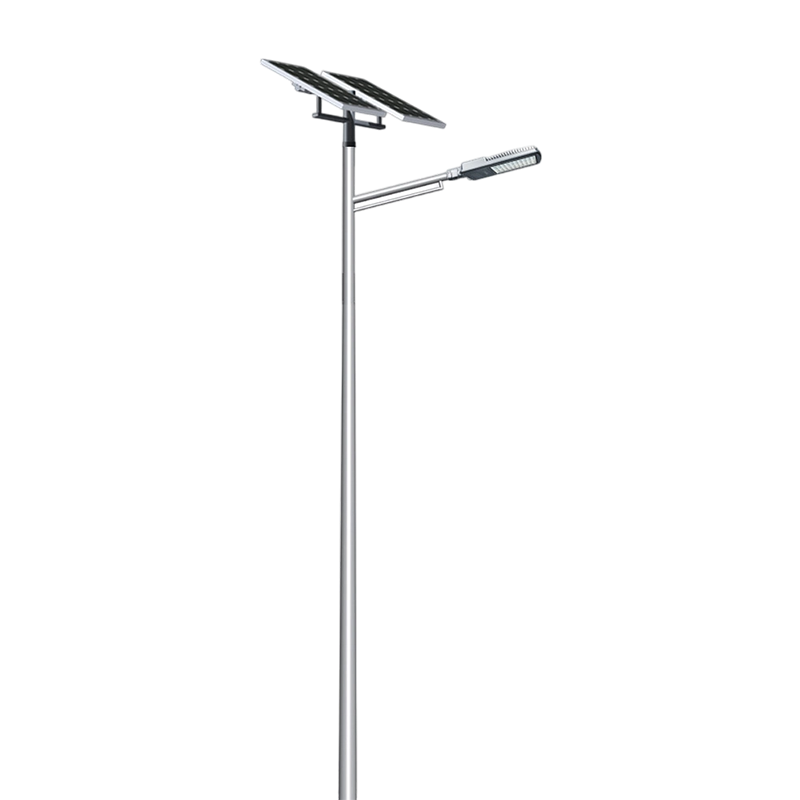
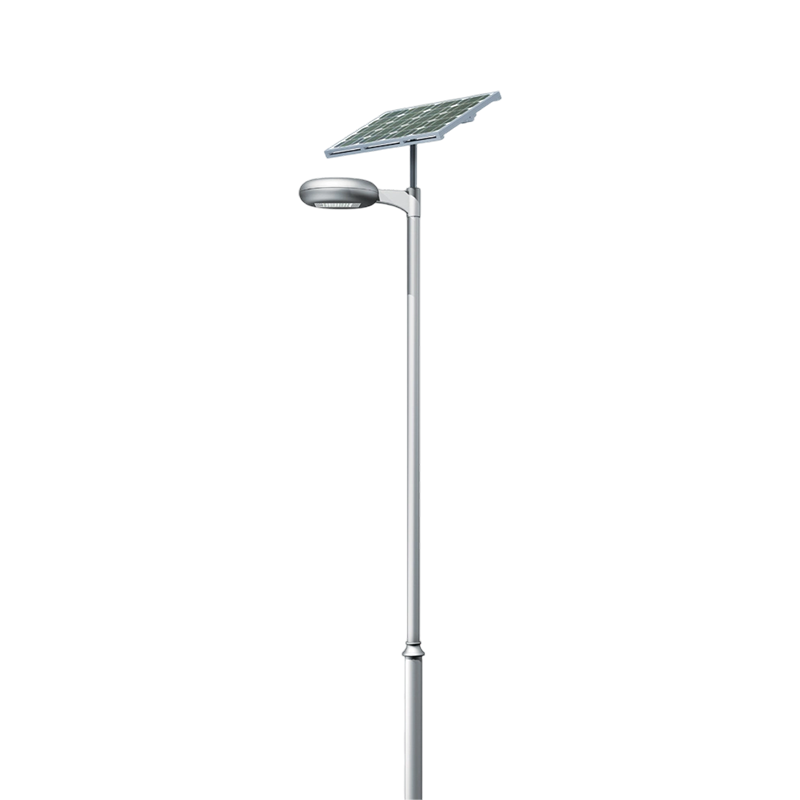
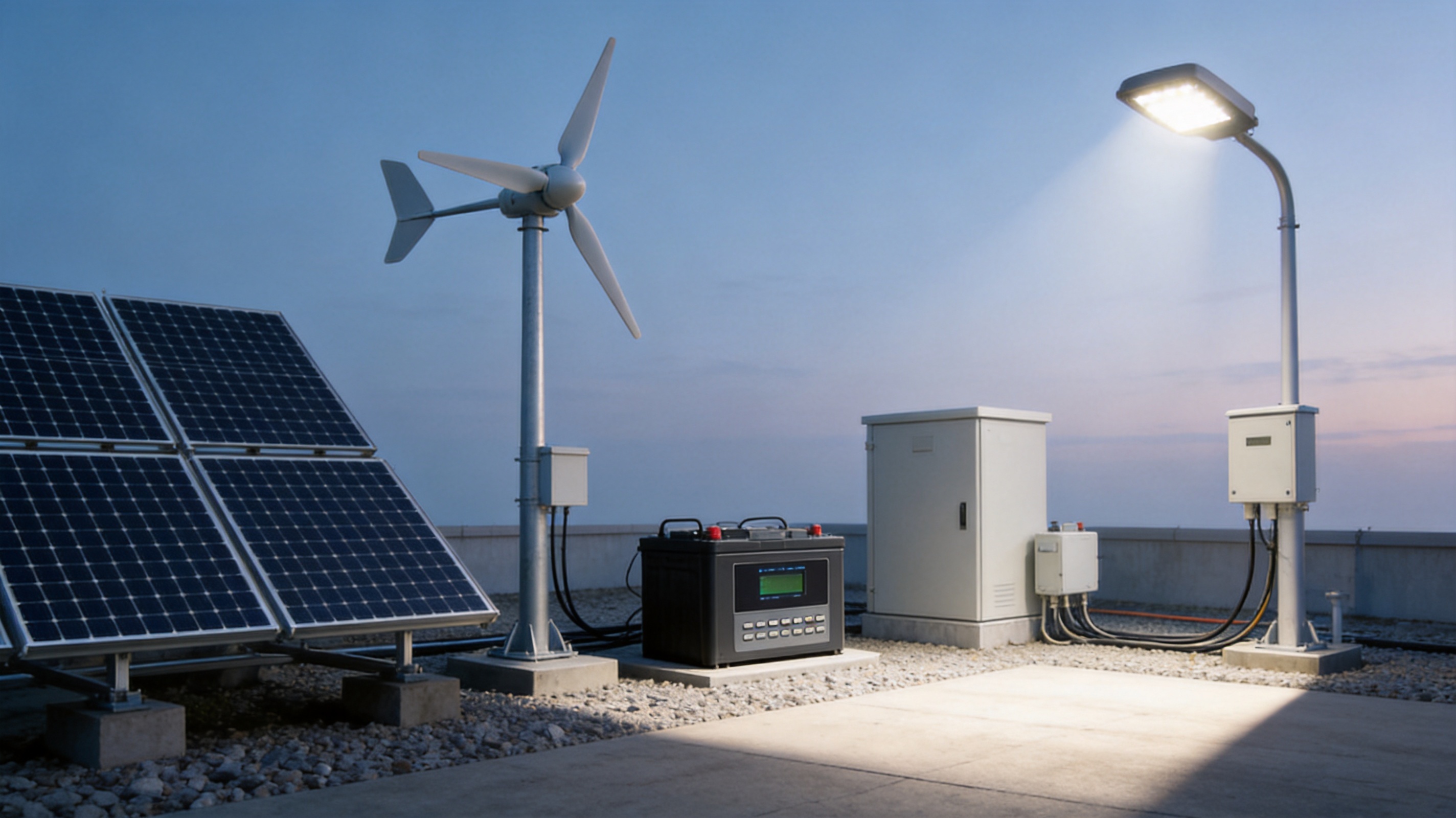
The system combines the following functional elements:
• Photovoltaic modules for converting sunlight into electrical energy.
• A three-blade wind generator optimized for continuous generation under low-wind conditions.
• A high-performance microcomputer controller with time-control and light-control functions.
• High-efficiency, maintenance-free specialized storage batteries.
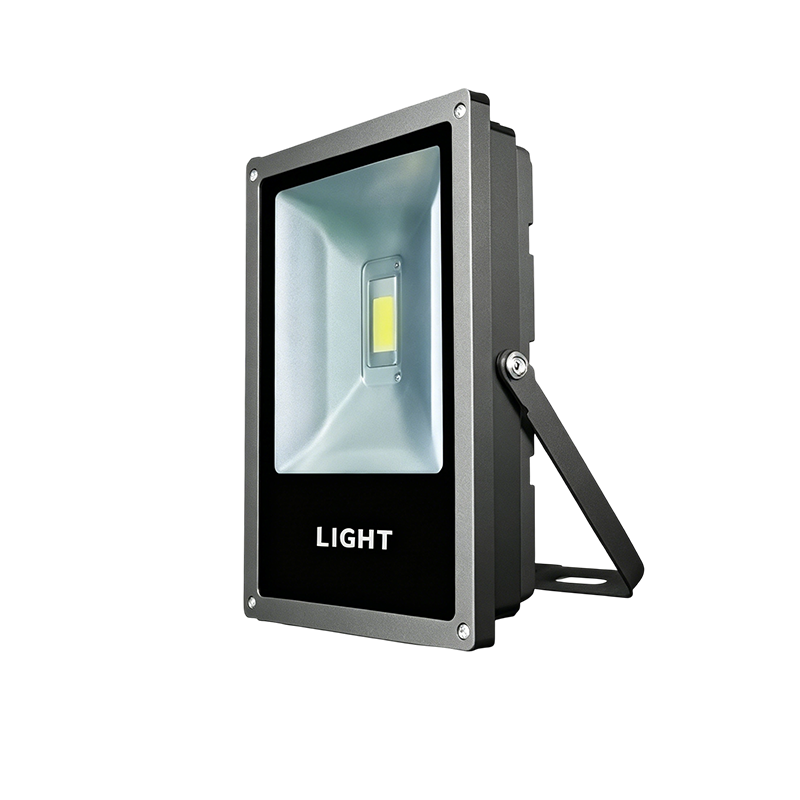
• High-power LED lighting fixtures with advanced light distribution technology.
• Supporting structures, cables, junction boxes, protection components, and optional grid-interface equipment.
Each part contributes to system performance, but the main advantage comes from their integration. The controller coordinates generation, charging, storage, and lighting operation. The battery provides energy continuity. The LED luminaire converts stored electricity into useful roadway illumination with high efficiency. The photovoltaic and wind subsystems provide complementary power inputs, while the structural and manufacturing capabilities behind the equipment help ensure reliable deployment in outdoor environments.
Compared with a conventional grid-powered streetlight, the system can reduce the need for underground cable networks, distribution cabinets, utility transformers, and long feeder routes. Compared with a solar-only streetlight, it provides an additional renewable-energy source and can be configured with more substantial photovoltaic capacity and battery storage. Compared with diesel-based remote lighting, it avoids routine fuel delivery, engine noise, exhaust emissions, and frequent mechanical servicing.
Grid-tied solar photovoltaic power generation system
2. How the Hybrid Energy System Works
2.1 Photovoltaic Energy Conversion
Photovoltaic modules use semiconductor cells to convert sunlight directly into direct-current electricity. The supplied module range includes models from 5 Wp to 185 Wp, allowing project designers to match panel capacity with the LED load, operating schedule, local solar resource, battery voltage, and required autonomy. Lower-power modules can support compact lighting or control applications, while higher-power modules are more suitable for larger luminaires and longer nightly operating periods.
The available photovoltaic specifications include modules with optimal operating voltages of approximately 17.5 V or 35.0 V, depending on the model and electrical configuration. The corresponding open-circuit voltages are listed as approximately 21.5 V or 43.0 V. Maximum power current varies according to the module rating. For example, the 50 Wp model is listed with an optimal operating current of 2.86 A, while the 100 Wp model is listed with an optimal operating current of 2.86 A at a higher operating voltage. Larger modules extend to 185 Wp with an optimal operating current of 5.28 A.
This broad range gives engineers flexibility when selecting series and parallel arrangements. The correct configuration depends on the battery bank, charge-controller operating range, inverter requirements, cable length, local temperature conditions, and required energy yield. System sizing should be based on actual lighting power, daily operating hours, expected solar irradiation, battery depth of discharge, system losses, and a suitable design margin.
2.2 Wind-Assisted Generation
The wind subsystem uses an optimized three-blade design intended to support power generation under low-wind conditions. A three-blade rotor offers a practical balance among starting behavior, rotational stability, structural loading, and energy capture. In a hybrid lighting system, the wind generator does not need to replace the photovoltaic array. Its role is to supplement solar generation when wind resources are available and to increase the diversity of energy input.
Wind assistance can be especially useful in open terrain, coastal regions, elevated roads, agricultural areas, and locations where evening breezes are common. Because wind patterns vary significantly from one site to another, a professional feasibility assessment should examine average wind speed, seasonal distribution, turbulence, extreme gusts, mounting height, nearby obstructions, and structural loads. These factors influence the selection of the generator, tower, controller, foundation, and protection system.
The hybrid energy strategy is stronger than a single-source design because it spreads generation across different environmental conditions. Solar production is normally highest during the day, while wind production may occur during the day, at night, or during transitional weather. When properly sized, the two sources can reduce the depth and frequency of battery discharge, improve lighting continuity, and support more stable energy availability.
2.3 Energy Storage
Energy storage is essential because outdoor lighting normally operates after sunset, when photovoltaic production is unavailable. The system uses high-efficiency, maintenance-free specialized storage batteries to store electricity produced by the solar modules and wind generator. The supplied description states that the system can maintain normal lighting operation for up to five consecutive days under extreme conditions of continuous calm winds and no sunlight.
Five-day autonomy is a significant design feature for remote lighting projects. It provides a buffer against consecutive cloudy days, seasonal weather events, temporary generation problems, and short-term maintenance activity. However, the actual autonomy achieved in the field depends on the installed battery capacity, battery chemistry, ambient temperature, discharge rate, allowable depth of discharge, LED power, nightly operating hours, dimming schedule, and controller settings.
Maintenance-free battery construction reduces the need for electrolyte inspection, routine water replenishment, and frequent on-site servicing. This is valuable where access is difficult or where lighting poles are distributed over long road sections. Battery enclosures should nevertheless be designed for ventilation, thermal management, security, and protection from water ingress. Battery replacement planning should also be included in the project life-cycle strategy, since all rechargeable batteries have a finite service life.
2.4 Intelligent Control
The microcomputer controller is responsible for coordinating the system. Its light-control function can detect changes in ambient illumination and automatically switch the lighting on at dusk and off at dawn. Its time-control function can establish operating schedules, lighting stages, or dimming periods where the selected hardware supports these features. These functions prevent the luminaires from operating unnecessarily during daylight and help conserve stored energy during low-demand periods.
Intelligent control also improves operational consistency. Manual switching is vulnerable to human error, inconsistent schedules, and delayed response to changing sunrise and sunset times. Automatic control provides repeatable operation across an entire project. For larger installations, the control strategy can be coordinated with battery voltage protection, charging priority, wind-generator regulation, overload protection, short-circuit protection, and optional remote monitoring equipment.
A well-designed controller should prioritize battery safety as well as lighting availability. It may regulate charging current, prevent overcharging, disconnect loads during critically low battery voltage, and reconnect lighting when sufficient energy has been restored. These protective functions help extend battery life and reduce the risk of service interruptions caused by deep discharge.
3. Photovoltaic Module Options and Construction
The photovoltaic module range is suitable for projects requiring different energy capacities and physical layouts. The listed models use crystalline photovoltaic cells in several sizes and arrangements. Modules from 5 Wp through 90 Wp are listed with a nominal optimal operating voltage of 17.5 V, while modules from 100 Wp through 185 Wp are listed with a nominal optimal operating voltage of 35.0 V. This provides design flexibility for lower-voltage and higher-voltage arrays.
| Module Range | Maximum Power | Typical Vmp | Typical Voc | Listed Module Dimensions | Listed Weight |
|---|---|---|---|---|---|
| Compact models | 5–20 Wp | 17.5 V | 21.5 V | 230×276×30 mm to 425×445×30 mm | Approximately 1–2.5 kg |
| Small and medium models | 25–90 Wp | 17.5 V | 21.5 V | 426×826×30 mm to 808×822×30 mm | Approximately 3–8 kg |
| Higher-capacity models | 100–115 Wp | 35.0 V | 43.0 V | 808×1074×30 mm | Approximately 10 kg |
| Large models | 120–185 Wp | 35.0 V | 43.0 V | 808×1210×35 mm to 808×1580×35 mm | Approximately 11–16 kg |
The module construction includes 3.2 mm glass, EVA encapsulation, a TPT backsheet, an aluminum frame, and a SOLON junction box with bypass diodes. These components form a familiar and practical photovoltaic package for outdoor applications. The glass protects the cell surface from weather exposure and mechanical impact. EVA encapsulates the cells and helps protect electrical connections from moisture and contamination. The TPT backsheet provides rear-side insulation and environmental protection, while the aluminum frame supports mechanical installation.
Bypass diodes are important because partial shading can reduce the output of a photovoltaic string and create localized electrical stress. The diode arrangement helps provide a path around affected cell groups under certain shading conditions. Correct module orientation, tilt, spacing, and cable routing remain essential, but bypass-diode protection adds another layer of operational resilience.
The listed module cables are generally 700 mm or 900 mm, depending on the module type. Cable length should be evaluated against the selected mounting arrangement and junction-box position. Longer cable runs may increase voltage drop, so system designers should select an appropriate conductor cross-section and use weather-resistant connectors and cable protection.
There are several dimensional entries in the supplied specifications that should be verified during technical approval. For example, one 6×12 module is listed as 1580×808×46.5 mm in the dimension fields, while its final size entry states 1580×808×35 mm. This type of discrepancy may result from different frame versions, drawing data, or a transcription issue. Before production, the purchaser should approve the final mechanical drawing, electrical datasheet, tolerances, weight, mounting holes, and frame thickness for the exact module selected.
4. LED Lighting Performance
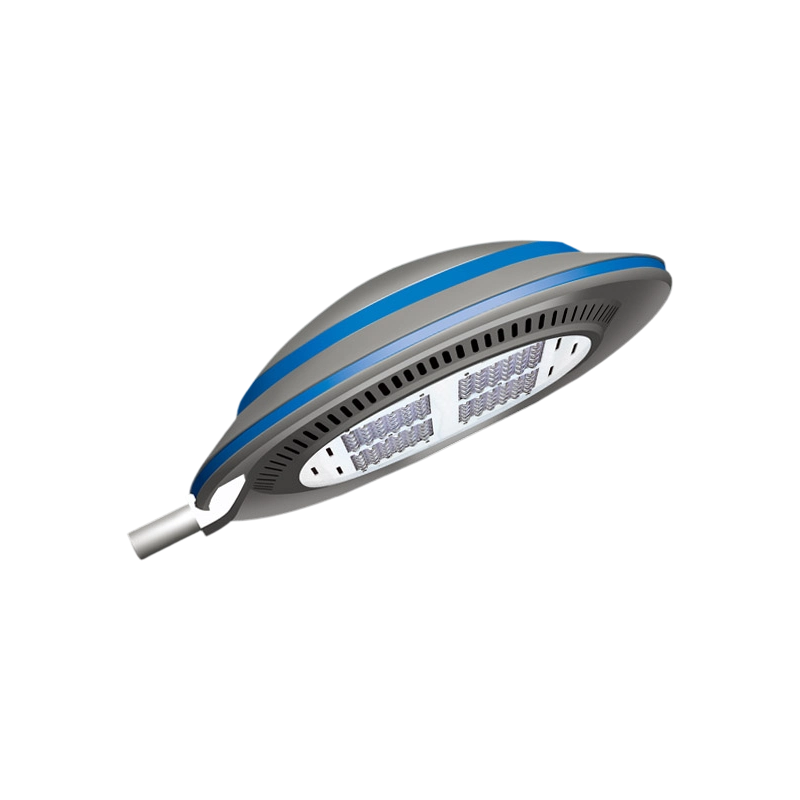
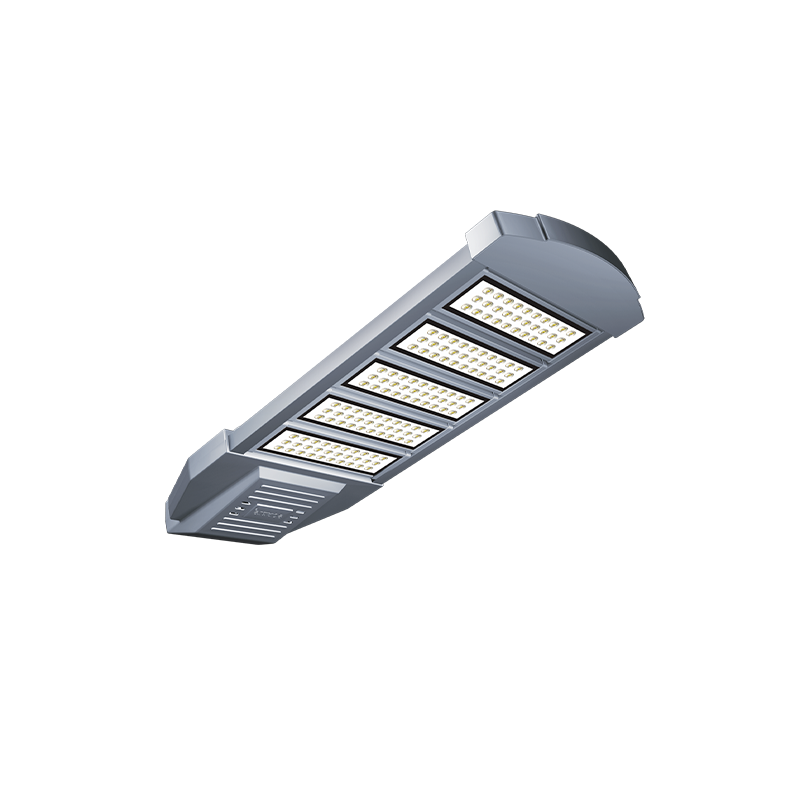
The lighting terminal integrates high-power LED light sources designed for outdoor roadway and area illumination. LED technology provides high luminous efficacy, fast startup, controllable output, and a long operating life when properly thermally managed. It is well suited to renewable-energy systems because LED luminaires require less electrical power than many conventional light sources for a comparable level of useful illumination.
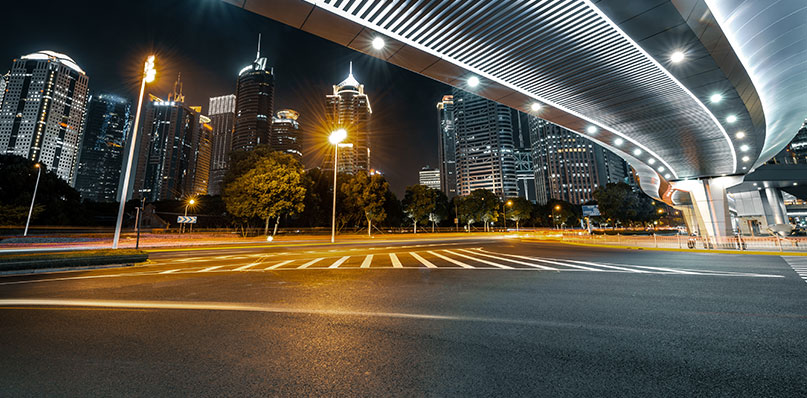
Advanced light distribution technology is used to create uniform pavement brightness without pronounced spot phenomena. Uniformity is important for road safety because excessive contrast between bright and dark areas can reduce visual comfort and make obstacles, pedestrians, cyclists, and road edges more difficult to recognize. A carefully designed optical system distributes light across the required roadway width and longitudinal spacing while limiting unnecessary spill light.
High color rendering is another advantage. A high color rendering index helps restore the natural appearance of objects, vehicles, signs, landscaping, and building surfaces. This can improve visual recognition and contribute to a more attractive nighttime environment. In urban landscape applications, accurate color presentation is especially useful where lighting must support both safety and visual design.
The LED system is described as mercury-free and free from ultraviolet radiation. The absence of mercury simplifies environmental handling compared with certain older lamp technologies. Low ultraviolet output can also be beneficial in areas where attraction of insects or degradation of sensitive materials is a concern. These features support the use of the system in residential roads, public spaces, parks, campuses, tourism areas, and environmentally sensitive locations.
LED performance depends on more than the semiconductor chip. Heat dissipation, driver quality, surge protection, optical design, enclosure sealing, cable connections, and installation orientation all affect service life. For this reason, the complete luminaire should be evaluated rather than comparing only nominal wattage or initial lumen output. A lower system wattage combined with good optical control may provide better roadway performance than a higher-wattage fixture with poor distribution.
5. Advantages Compared with Alternative Solutions
5.1 Compared with Grid-Only Lighting
Traditional grid-powered lighting can provide stable energy where utility infrastructure is already available. However, remote extensions often require trenches, cables, distribution equipment, transformers, control cabinets, and utility coordination. Construction may disturb roads, landscaping, drainage systems, and existing infrastructure. In difficult terrain, the civil works can represent a substantial portion of the project cost.
A hybrid solar and wind system can be installed without extending a long electrical feeder to every lighting pole. This reduces dependence on utility construction and can accelerate deployment. The system also continues operating during certain grid interruptions when sufficient renewable energy and battery capacity are available. For isolated applications, this resilience can be more valuable than the initial energy cost alone.
Grid-connected operation may still be appropriate in locations where utility power is accessible and project owners want renewable-energy integration. In that case, the system can be designed with an appropriate inverter, protection devices, metering arrangement, and anti-islanding function. The final configuration must follow local electrical codes and utility requirements.
5.2 Compared with Solar-Only Lighting
Solar-only lighting is simple and widely used, but its energy availability depends entirely on sunlight. A series of cloudy days can reduce charging capacity, particularly during winter or in regions with frequent rain and fog. A hybrid system introduces wind generation as a complementary source and can improve the probability of energy production outside daylight hours.
The hybrid system may also support larger lighting loads, longer operating schedules, or higher autonomy requirements. Its controller can prioritize available energy and protect the battery during poor weather. For demanding roads and remote facilities, this additional energy diversity can provide a meaningful reliability advantage over a basic photovoltaic-only configuration.
5.3 Compared with Diesel or Fuel-Based Generation
Diesel generators can provide high power, but they require fuel storage, fuel transportation, engine maintenance, oil changes, exhaust management, and noise control. Remote fuel delivery can be expensive and vulnerable to weather or access restrictions. Generator operation also creates direct emissions.
The hybrid renewable-energy system produces electricity without routine fuel consumption during normal operation. Its moving wind components and battery bank still require inspection and eventual replacement, but the maintenance profile is generally less intensive than that of a continuously operated combustion generator. Quiet operation is beneficial near homes, schools, scenic areas, and public facilities.
5.4 Compared with Basic Low-Cost Solar Products
Some low-cost solar lighting products prioritize minimum purchase price over full project integration. They may use limited battery capacity, fixed low-grade optics, weak structural components, or basic controllers with minimal protection. Such products can be unsuitable for high-wind locations, long operating schedules, or projects where service access is difficult.
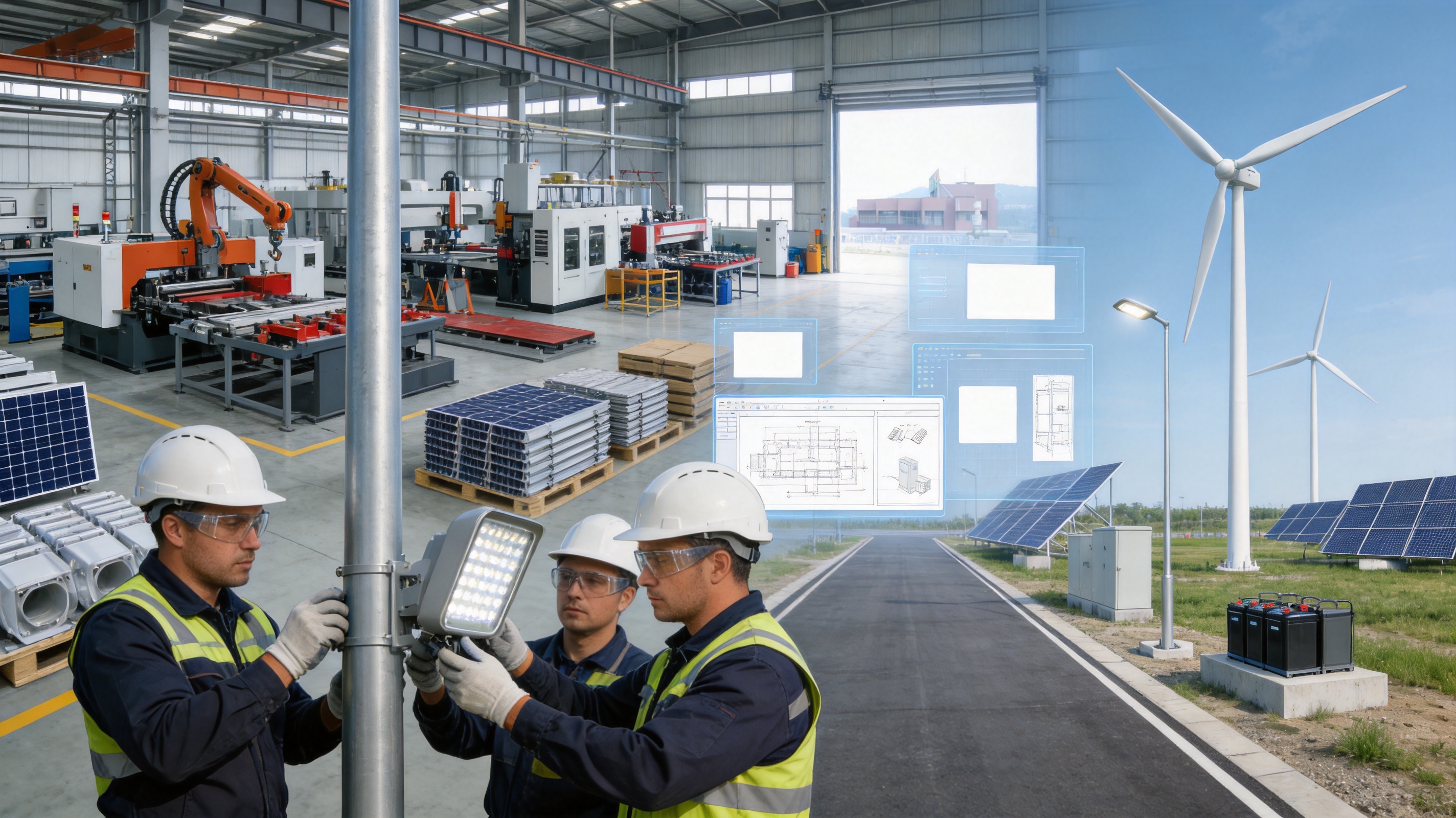
The system described here is positioned as a more comprehensive engineering solution. It combines multiple energy sources, intelligent control, maintenance-free storage, high-power LED lighting, configurable photovoltaic capacity, and structural manufacturing support. The company’s ability to provide CAD design, three-dimensional product simulation, scene simulation, specification and color customization, wind and foundation calculations, and overseas installation guidance further differentiates the solution from a simple catalogue product.
6. Manufacturing Strength and Quality Control
Product performance depends on manufacturing discipline as much as on the design concept. The manufacturer operates as a professional production, design, and engineering company serving the road illumination industry. Its product scope includes streetlight poles, LED streetlights, solar streetlights, light fixtures, and related lighting equipment. This broad experience is valuable because hybrid photovoltaic lighting projects require coordination among electrical systems, luminaires, poles, foundations, wind loads, coatings, cable routing, and installation procedures.
The company’s production site covers more than 70,000 square meters and is supported by more than 300 professional technicians. Its products are exported to more than 200 countries, indicating experience with different project requirements, climatic conditions, documentation expectations, and international customer needs. International project experience can help reduce communication problems during design review, manufacturing, packing, shipping, and installation.
The stated management and quality systems include ISO9001, ISO14001, and OHSAS18001-related standards. ISO9001 supports process-based quality management. ISO14001 focuses on environmental management. OHSAS18001 is associated with occupational health and safety management, although customers should confirm the current certification status and applicable replacement standards during procurement. Together, these systems indicate an emphasis on controlled production, environmental responsibility, and workplace safety.
6.1 Material Selection
The production information lists material options including Q235B, Q345B, S275JR, S355JR, Q460, A36, A572, GR56, and GR50, subject to project requirements. These materials are commonly associated with structural applications, but the correct grade must be selected according to design loads, local codes, weldability, corrosion environment, availability, and certification requirements.
Maintaining an extensive material inventory can help reduce delays caused by raw-material shortages. It also allows the manufacturer to respond to different regional standards and customer specifications. Material certificates, chemical composition, mechanical properties, welding procedures, and traceability records should be included in the quality documentation for projects that require formal inspection.
6.2 CNC Bending
Precision CNC bending is used to form structural components consistently. Accurate bending supports proper geometry, reduces deformation, and helps minimize post-production adjustment. Consistent angles and dimensions are important for pole sections, brackets, mounting arms, equipment supports, and other components that must align during assembly.
Controlled bending also contributes to structural integrity. Incorrect bend radii, uneven forming, or excessive local deformation can create stress concentrations or installation difficulties. CNC equipment improves repeatability across production batches and supports the manufacture of customized designs without relying solely on manual correction.
6.3 Precision Cutting
The production information states a cutting accuracy of 0.01 mm. Such a figure should be interpreted in relation to the specific machine, material thickness, process, and inspection method, but the stated capability demonstrates a focus on precise dimensions and clean edges. Accurate cutting supports better fit-up, improved welding preparation, and reduced finishing work.
Clean edges are particularly important in fabricated lighting structures because rough or irregular cuts may interfere with assembly, create stress concentrations, or require additional grinding. Precision cutting can improve production efficiency while helping maintain consistent component dimensions.
6.4 Anti-Corrosion Treatment
Outdoor lighting structures operate under rain, humidity, ultraviolet exposure, temperature changes, pollution, and sometimes salt spray. Anti-corrosion treatment is therefore a major part of product life-cycle performance. The manufacturer’s production capabilities include powder electrostatic painting and processes intended to improve corrosion resistance.
Powder coating can provide a durable, uniform finish when surface preparation, coating thickness, curing temperature, and inspection are properly controlled. For galvanized or painted steel components, the selected coating system should correspond to the environmental category and expected service life. Customers may request coating specifications, adhesion testing, thickness measurements, color references, and corrosion-resistance test reports.
6.5 Automated Welding and Certified Welders
Welding quality affects the strength and durability of poles, brackets, frames, and equipment supports. Automated welding lines can improve consistency, production speed, and repeatability for suitable components. At the same time, experienced certified welders remain important for complex assemblies, customized structures, repair work, and areas requiring detailed control.
The manufacturer states that its welding team has many years of experience and is capable of supporting large-scale projects while maintaining delivery schedules. Welding procedures should be selected according to material grade, thickness, joint design, and applicable standards. Visual inspection, dimensional inspection, and non-destructive testing can be specified according to project risk and customer requirements.
6.6 Die Casting and Component Production
The company operates a 1,250-ton die-casting machine. Die casting can be used to manufacture complex aluminum components with repeatable dimensions and efficient material utilization. In lighting products, die-cast components may support housings, brackets, heat-dissipation structures, and connection parts. Consistent casting quality helps improve assembly accuracy and can support effective thermal management for LED fixtures.
Automated production lines can increase throughput and reduce variation. They may also lower production costs by reducing manual handling and improving process efficiency. However, quality assurance remains essential. Die-cast parts should be checked for dimensional accuracy, porosity, surface defects, sealing interfaces, and mechanical performance according to their application.
7. Engineering Design and Project Customization
Outdoor renewable-energy lighting is rarely a one-size-fits-all product. Road width, pole spacing, mounting height, terrain, solar orientation, wind resource, battery location, lighting class, local regulations, and maintenance access all influence the final design. A strong supplier should therefore provide more than standard equipment; it should support engineering adaptation from concept through installation.
The supplied service capabilities include CAD design, three-dimensional product simulation design, three-dimensional scene simulation design, specification and color customization, mechanical calculations for wind and foundations, and overseas on-site installation guidance. These services help bridge the gap between a product catalogue and a complete project solution.
7.1 CAD Design
CAD drawings can define the overall assembly, pole dimensions, photovoltaic mounting arrangement, wind-generator support, battery enclosure, luminaire bracket, cable route, foundation interface, and maintenance access. Accurate drawings reduce ambiguity during approval and provide a basis for fabrication and installation.
7.2 Three-Dimensional Simulation
Three-dimensional product simulation allows stakeholders to review the physical appearance and component relationships before production. This is useful when the system must fit within a specific streetscape, landscape project, industrial site, or architectural environment. Scene simulation can show how the lighting equipment will appear along a road or within a public space, helping owners assess aesthetics and visual integration.
7.3 Wind and Foundation Calculations
Wind calculations are particularly important because the system may include photovoltaic panels, a wind generator, lighting fixtures, and extended mounting structures. These components increase the exposed surface area and may affect the center of gravity and wind moment. Foundation calculations should consider soil bearing capacity, embedment depth, anchor-bolt arrangement, overturning resistance, local wind speed, seismic conditions where applicable, and construction tolerances.
Engineering calculations should be completed using the governing local standards and verified by qualified professionals. The manufacturer’s design support can provide useful project input, but the final responsibility for statutory approval and site-specific foundation certification must be assigned according to the project contract and local regulations.
7.4 Custom Specifications and Color
Projects may require different LED power levels, photovoltaic module combinations, battery capacities, pole heights, mounting arrangements, coating colors, cable lengths, and control schedules. Specification customization allows the system to match the actual application rather than forcing every site into the same configuration. Color customization can also help coordinate the lighting system with municipal streetscapes, corporate campuses, parks, and landscape architecture.
8. Installation, Commissioning, and Maintenance
Correct installation is essential to achieve the expected performance of a hybrid renewable-energy lighting system. Before installation, the site should be surveyed for solar exposure, shading, wind conditions, soil properties, drainage, access, and potential obstructions. Photovoltaic modules should be positioned to maximize annual energy production, while the wind generator should be placed where turbulence and blockage are minimized.
Foundations must reach the required strength before poles and equipment are erected. Anchor bolts should be aligned accurately, and all structural connections should be tightened according to the approved torque requirements. The photovoltaic array, wind generator, battery enclosure, controller, and LED luminaire should be connected according to the approved electrical diagram. Cable entries must be sealed against moisture, and cables should be protected from abrasion, ultraviolet exposure, mechanical damage, and unauthorized access.
Commissioning should include electrical polarity checks, insulation checks, battery-voltage verification, controller parameter configuration, photovoltaic charging tests, wind-generator operation checks, LED switching tests, light-sensor tests, time-schedule verification, and protection-function checks. The lighting pattern should be inspected at night to confirm that pavement uniformity and illumination coverage correspond to the design.
Routine maintenance is generally straightforward but should not be neglected. Photovoltaic modules should be cleaned when dust, bird droppings, salt, or industrial deposits significantly reduce light transmission. The wind generator should be inspected for unusual vibration, loosened fasteners, cable wear, corrosion, and bearing or rotor issues. LED fixtures should be checked for water ingress, damaged lenses, thermal problems, and changes in output. Battery condition, terminal connections, enclosure ventilation, and controller alarms should be reviewed according to the maintenance schedule.
Because the system is designed for remote or difficult locations, maintenance planning should include spare parts, service access, replacement batteries, fuses, connectors, controllers, LED drivers, and critical mechanical fasteners. A digital record of installation date, battery replacement date, inspection results, and fault history can improve life-cycle management.
9. System Selection and Sizing Considerations
Correct sizing begins with the lighting requirement. Engineers should identify the road classification, required illumination level, uniformity target, mounting height, pole spacing, traffic conditions, pedestrian activity, operating hours, dimming requirements, and applicable lighting standards. The LED power should be selected based on photometric performance, not wattage alone.
Next, the daily energy demand should be calculated. A simplified calculation is:
Daily lighting energy = LED power × nightly operating hours.
The design must then include controller losses, battery charging losses, cable losses, inverter losses where applicable, temperature effects, and reserve capacity. Photovoltaic capacity should be evaluated using local solar resource data rather than a generic annual average. Wind contribution should be based on actual site wind measurements or a credible wind-resource assessment.
Battery sizing should account for the desired autonomy period, minimum operating temperature, allowable depth of discharge, battery efficiency, aging factor, and maintenance strategy. The stated capability of up to five days of lighting under continuous calm winds and no sunlight is a valuable reference point, but it should be confirmed for the exact luminaire power, battery model, and operating schedule selected.
The electrical architecture should also be reviewed. A smaller system may use a direct-current LED load and a dedicated charge controller. Larger projects may require a DC bus, inverter, grid interface, remote monitoring, surge protection, and coordinated grounding. The term “grid-tied” normally implies a controlled connection to the public utility network, whereas the supplied product description emphasizes independent operation. The project specification should clearly state whether the final system is:
• Grid-independent, using renewable generation and batteries only.
• Hybrid, using renewable energy, batteries, and utility power as backup.
• Grid-tied, exporting or offsetting electricity through an approved inverter and utility connection.
Clear terminology prevents incorrect component selection and simplifies regulatory approval.
10. Environmental and Economic Benefits
Renewable-energy lighting can reduce operational electricity consumption and the environmental impact associated with fossil-fuel-based power generation. Solar and wind generation produce electricity without direct combustion emissions during operation. LED luminaires further reduce energy demand compared with many traditional lighting technologies.
The environmental value also comes from reducing the need for extensive utility construction in sensitive or remote areas. Fewer trenches and cables may mean less disturbance to vegetation, soil, drainage, and existing roads. Quiet operation supports residential and recreational environments. Mercury-free LED technology contributes to safer end-of-life handling, while the absence of ultraviolet radiation can reduce unwanted effects on the surrounding environment.
Economic evaluation should include more than initial equipment price. A complete life-cycle analysis can consider grid-extension costs, trenching, cabling, utility charges, fuel delivery, maintenance travel, battery replacement, component service, downtime, and environmental compliance. In a remote project, avoided infrastructure and reduced maintenance access may significantly improve the total cost of ownership.
The system’s modular nature also supports phased construction. A project owner may begin with priority roads or facilities and expand the installation as funding and site development progress. Standardized modules, poles, luminaires, and controllers can simplify spare-parts planning across multiple project phases.
11. Why Manufacturing Integration Matters
Hybrid lighting systems combine electrical, optical, mechanical, and civil-engineering requirements. A supplier that only provides photovoltaic panels may not fully understand pole design, lighting distribution, corrosion protection, wind loading, or foundation interfaces. Conversely, a supplier focused only on steel structures may not provide adequate energy-storage and controller expertise.
An integrated manufacturer can coordinate these disciplines more effectively. The company’s experience with lighting poles, LED fixtures, solar streetlights, structural fabrication, welding, cutting, bending, coating, die casting, and project engineering creates a foundation for complete-system development. This can reduce interface risks between separate vendors and improve accountability during installation and after-sales service.
Integrated production also allows design feedback to move quickly between engineering and manufacturing teams. If a photovoltaic support requires a different bracket, if a battery enclosure needs improved ventilation, or if a luminaire must be adjusted for a particular pole height, the change can be evaluated within a broader product-development process. This is particularly useful for projects with unusual terrain, high wind loads, customized colors, or special installation requirements.
12. Recommended Procurement Documentation
For a professional project, the buyer should request a complete technical package before placing a final order. The package should include the exact photovoltaic module datasheet, electrical characteristics, mechanical dimensions, material construction, junction-box details, cable specification, and applicable certifications.
The wind generator documentation should state rated power, starting wind speed, rated wind speed, survival wind speed, rotor diameter, controller compatibility, noise characteristics, protection functions, and maintenance requirements. The battery documentation should identify chemistry, nominal voltage, capacity, allowable depth of discharge, operating temperature, expected cycle life, charging requirements, and warranty conditions.
The LED luminaire documentation should include power, luminous flux, efficacy, color temperature, color-rendering index, photometric files, beam distribution, surge protection, ingress protection, impact resistance, operating temperature, driver information, and expected service life. Photometric calculations should be prepared for the actual road geometry and pole arrangement.
Structural documents should include material certificates, fabrication drawings, welding procedures, coating specifications, dimensional tolerances, foundation-interface details, wind calculations, and inspection records. For international shipments, packing lists, export documentation, installation instructions, spare-parts lists, and quality-inspection reports should also be prepared.
13. Practical Applications
The system is suitable for roads located far from municipal power grids. Rural roads, forestry routes, agricultural access roads, and remote transport corridors can benefit from independent or hybrid power generation. In these applications, the ability to operate for several days under poor renewable conditions is more important than maximizing the lowest initial equipment price.
Remote industrial and infrastructure sites are another useful application. Construction camps, storage yards, water facilities, mining support roads, communications sites, and logistics areas may require lighting before permanent grid infrastructure is completed. A renewable-energy system can be installed as a semi-permanent or permanent solution.
Landscape lighting projects can use the system where visual appearance, quiet operation, and environmental performance are priorities. Parks, scenic areas, waterfronts, campuses, resorts, and cultural sites may benefit from customized colors, controlled light distribution, and the absence of overhead utility cables.
The system can also support emergency and resilience planning. Critical access roads, evacuation routes, flood-control facilities, and remote communication sites may require lighting during utility outages. Proper battery sizing and priority control can help maintain illumination when conventional power is unavailable.
14. Questions and Answers
Q1: Is this system truly grid-tied or independent?
The supplied product title identifies it as a grid-tied photovoltaic power generation system, while the technical description emphasizes independent operation with wind generation, batteries, and intelligent lighting control. It can therefore be adapted to different architectures, but the final configuration must be confirmed. A grid-tied version requires an approved inverter, utility protection, metering, and anti-islanding functions. An independent version operates from renewable generation and battery storage without a utility connection.
Q2: How long can the lighting operate without sun or wind?
The supplied description states that the system can maintain normal lighting operation for up to five consecutive days under continuous calm winds and no sunlight. Actual autonomy depends on the selected battery capacity, LED power, operating hours, temperature, battery condition, and controller settings. The five-day figure should be verified through the final system design.
Q3: Why combine wind and solar energy?
Solar generation is normally strongest during daylight, while wind may be available during the day or night and during periods of weak sunlight. Combining the two sources reduces dependence on a single weather condition and can improve charging opportunities for the battery. The benefit is greatest at sites with a suitable wind resource.
Q4: What photovoltaic module powers are available?
The listed range extends from 5 Wp to 185 Wp. Models use different voltage configurations and physical dimensions. The correct module should be selected according to the LED load, battery system, controller, installation space, local solar resource, and required autonomy.
Q5: Are the photovoltaic modules suitable for outdoor conditions?
The listed construction includes 3.2 mm glass, EVA encapsulation, a TPT backsheet, an aluminum frame, and a junction box with bypass diodes. These are common outdoor photovoltaic construction features. The purchaser should request the exact environmental, mechanical-load, electrical-safety, and certification data for the selected module.
Q6: What makes the LED lighting suitable for roads?
The lighting terminal uses high-power LED sources and advanced light distribution technology intended to provide uniform pavement brightness without pronounced spot effects. High color rendering helps restore the natural appearance of objects. Final suitability should be confirmed through photometric calculations for the actual road layout.
Q7: Does the LED light contain mercury or emit ultraviolet radiation?
The supplied product description states that the LED technology is mercury-free and free from ultraviolet radiation. These features support environmentally responsible use and can be beneficial in public, residential, landscape, and ecologically sensitive areas.
Q8: Can the system be customized?
Yes. Available engineering services include CAD design, three-dimensional product simulation, three-dimensional scene simulation, specification and color customization, wind and foundation calculations, and overseas installation guidance. Photovoltaic capacity, battery capacity, LED power, structural dimensions, control schedules, and finishes can be evaluated according to project needs.
Q9: What manufacturing capabilities support the product?
The manufacturer operates large-scale production facilities with CNC bending, precision cutting, powder electrostatic painting, automated welding and cutting equipment, certified welders, automated production lines, and a 1,250-ton die-casting machine. These capabilities support structural accuracy, consistent fabrication, corrosion protection, and efficient production.
Q10: What should be confirmed before ordering?
Buyers should confirm the exact system architecture, photovoltaic model, battery type and capacity, wind-generator rating, LED power, lighting schedule, autonomy target, controller functions, inverter requirements, structural drawings, foundation design, coating specification, certifications, warranty, delivery scope, installation responsibilities, and after-sales service arrangements. Any inconsistent dimensional entries should be resolved through approved drawings and datasheets.
15. Conclusion
The hybrid solar photovoltaic power generation system provides a practical approach to reliable outdoor lighting where energy autonomy, low operating cost, and reduced infrastructure dependence are important. Its combination of photovoltaic modules, a three-blade wind generator, intelligent microcomputer control, maintenance-free batteries, and high-power LED luminaires addresses the main limitations of single-source renewable lighting.
The system’s strongest advantages are its complementary energy inputs, potential for up to five days of operation under severe low-generation conditions, automatic light and time control, efficient LED illumination, high pavement uniformity, high color rendering, mercury-free construction, and suitability for remote roads and landscape projects. Its configurable photovoltaic module range allows designers to match the energy system to different lighting loads and site conditions.
Equally important is the manufacturing and engineering support behind the product. Large-scale facilities, material availability, CNC bending, precision cutting, automated welding, powder coating, die casting, certified technicians, international export experience, and project customization services provide a foundation for dependable delivery. CAD design, three-dimensional visualization, wind and foundation calculations, and installation guidance further strengthen the product’s value as an engineered lighting solution rather than a basic standalone fixture.
For successful implementation, every project should be designed around its actual solar resource, wind conditions, road geometry, battery requirements, lighting standards, structural loads, and local regulations. When these factors are properly evaluated, the system can provide clean, resilient, and visually effective illumination for locations where conventional grid expansion is costly, unreliable, or impractical.
References
1. International Electrotechnical Commission. Photovoltaic Device and Photovoltaic System Technical Guidance.
2. International Electrotechnical Commission. Secondary Cells and Batteries for Renewable-Energy Storage Applications.
3. International Commission on Illumination. Road Lighting Performance and Visual Comfort Recommendations.
4. ISO 9001. Quality Management Systems—Requirements.
5. ISO 14001. Environmental Management Systems—Requirements with Guidance for Use.
6. International Electrotechnical Commission. Luminaire Performance and Photovoltaic System Safety Standards.
7. American Society of Civil Engineers. Structural Design Requirements for Wind-Exposed Outdoor Equipment.
8. International Renewable Energy Agency. Renewable Energy Technologies for Distributed Power Generation.
9. Manufacturer-provided photovoltaic module, LED lighting, energy-storage, manufacturing, and engineering-service specifications.