


JINYUAN
JINYUAN
JINYUAN
JINYUAN
JINYUAN
JINYUAN
JINYUAN
JINYUAN
JINYUAN
JINYUAN
JINYUAN
JINYUAN
JINYUAN
JINYUAN
JINYUAN
JINYUAN
Content
- 1 Product Overview and Application Purpose
- 2 Key Technical Specifications
- 3 Advantages of the Double-Arm Configuration
- 4 Weather Resistance and Structural Durability
- 5 High-Efficiency LED Optical Performance
- 6 Thermal Management and Long-Term Stability
- 7 Electrical Flexibility and Intelligent Control
- 8 Manufacturing Quality and Material Control
- 9 Anti-Corrosion Protection and Surface Treatment
- 10 Design and Engineering Support
- 11 Installation and Commissioning Considerations
- 12 Maintenance and Service-Life Benefits
- 13 Comparison with Conventional Roadway Lighting Options
- 14 Application Scenarios
- 15 Project Customization Options
- 16 Company Manufacturing and Industry Strengths
- 17 Why This Product Is a Strong Competitive Choice
- 18 Quality Assurance Checklist for Buyers
- 19 Q&A
- 19.1 What type of roadway is suitable for this double-arm light?
- 19.2 What is the main advantage of the symmetrical dual-arm structure?
- 19.3 Can the lamp heads be adjusted after installation?
- 19.4 What input voltage does the product support?
- 19.5 Is the product compatible with dimming systems?
- 19.6 What does the IP65 rating mean?
- 19.7 What is the operating temperature range?
- 19.8 What materials can be used for the pole?
- 19.9 What pole heights are available?
- 19.10 How does the aluminum alloy housing support product performance?
- 19.11 Does the manufacturer provide design support?
- 19.12 How does CNC bending benefit the finished pole?
- 19.13 Why is professional welding important for a double-arm pole?
- 19.14 What warranty period is provided?
- 19.15 Can this product be used in a retrofit project?
- 20 Conclusion
- 21 References
- 22 Product: Weather-Resistant Type Double-Arm Roadway Light
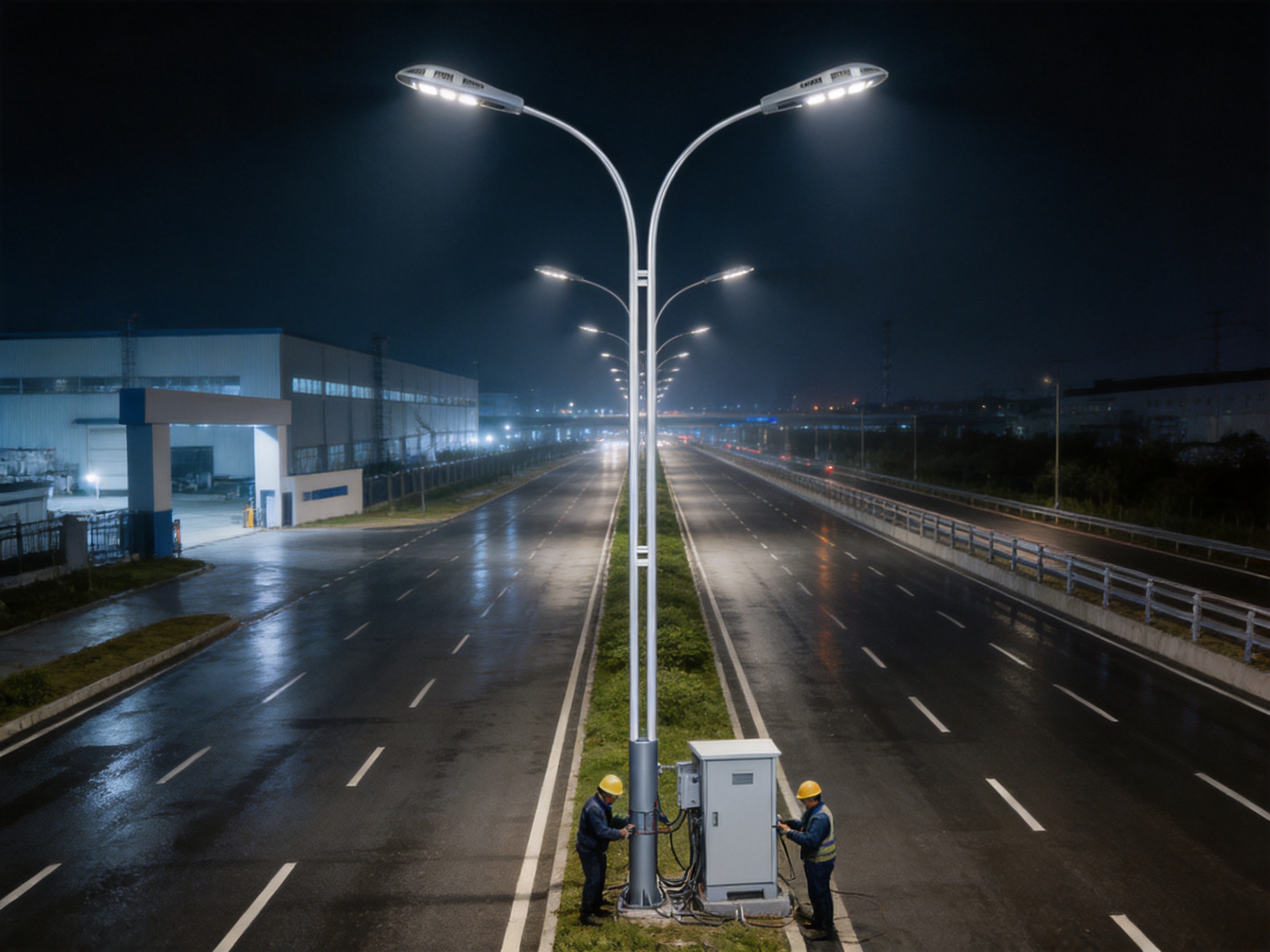
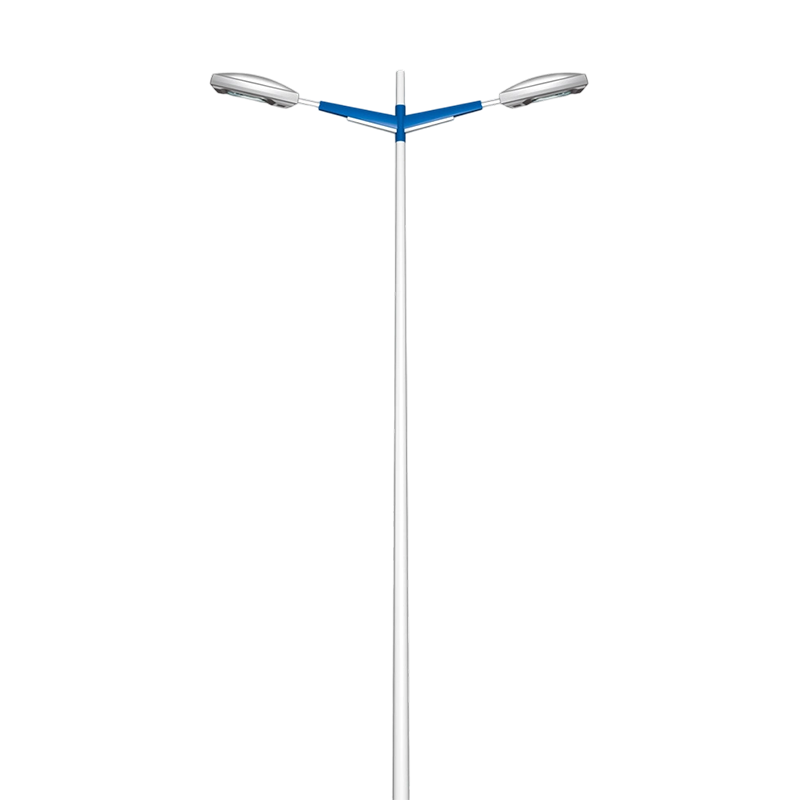
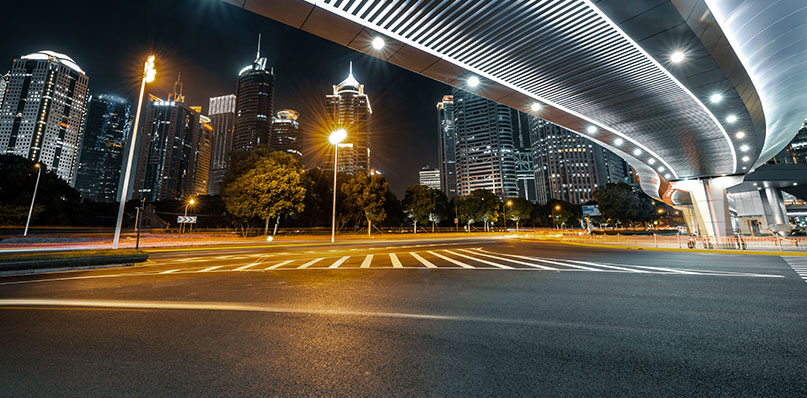
Modern road infrastructure requires lighting systems that do much more than produce illumination. Roadway lights must provide consistent visibility, withstand changing weather conditions, maintain structural stability, support efficient maintenance, and integrate smoothly with the planning requirements of urban, industrial, and transportation projects. The Weather-Resistant Type Double-Arm Roadway Light is engineered around these needs, combining a symmetrical dual-arm structure, efficient LED technology, adjustable lamp heads, durable materials, and professional manufacturing processes.
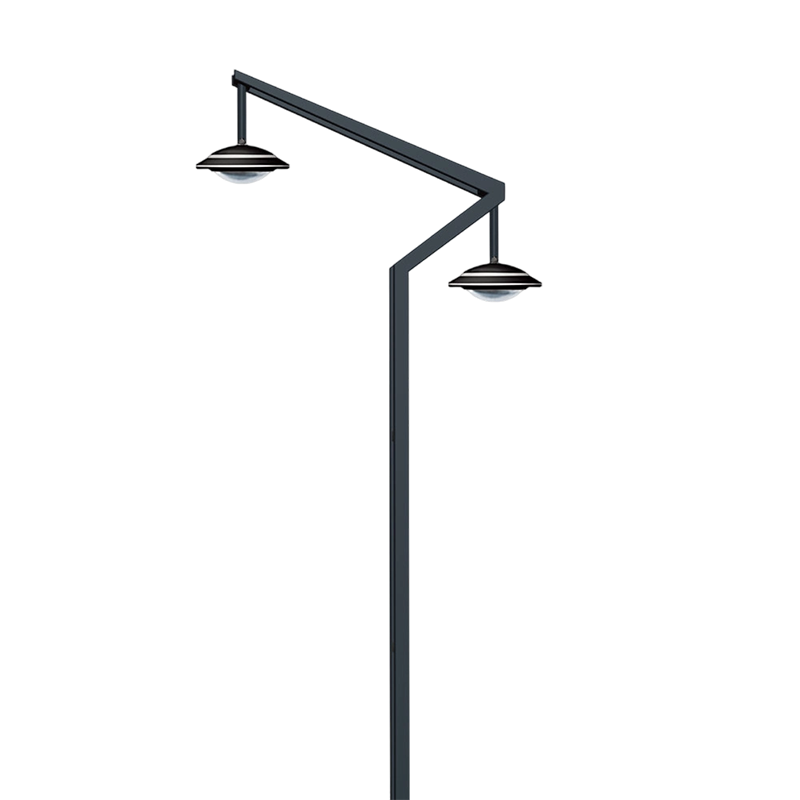
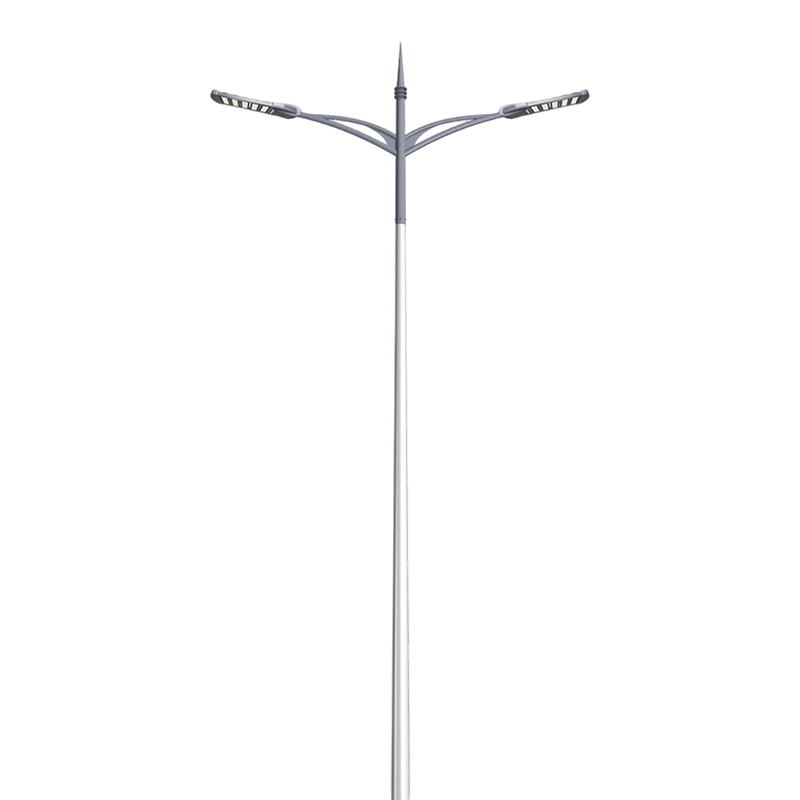
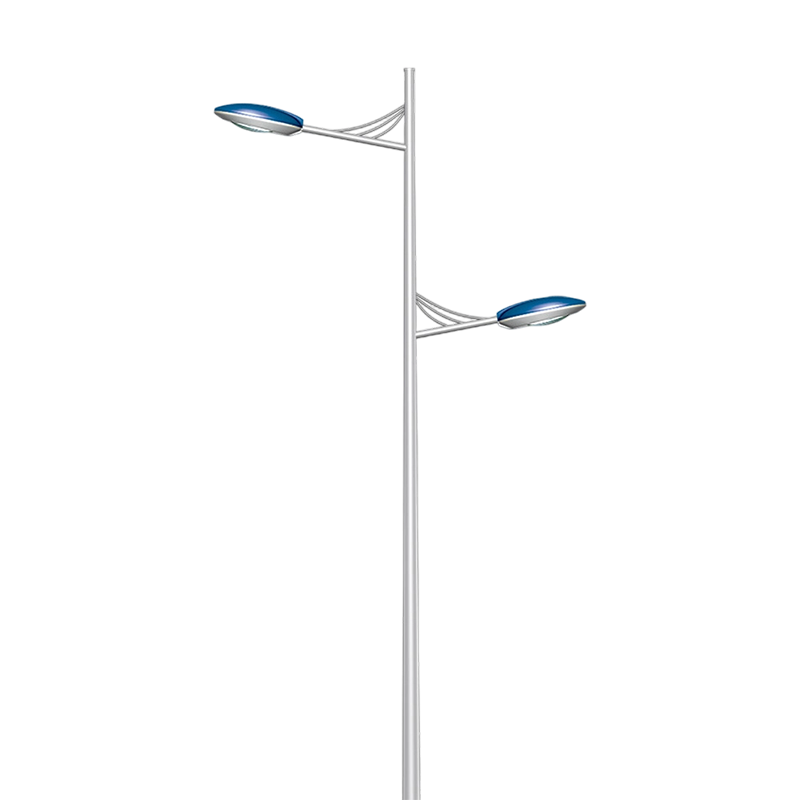
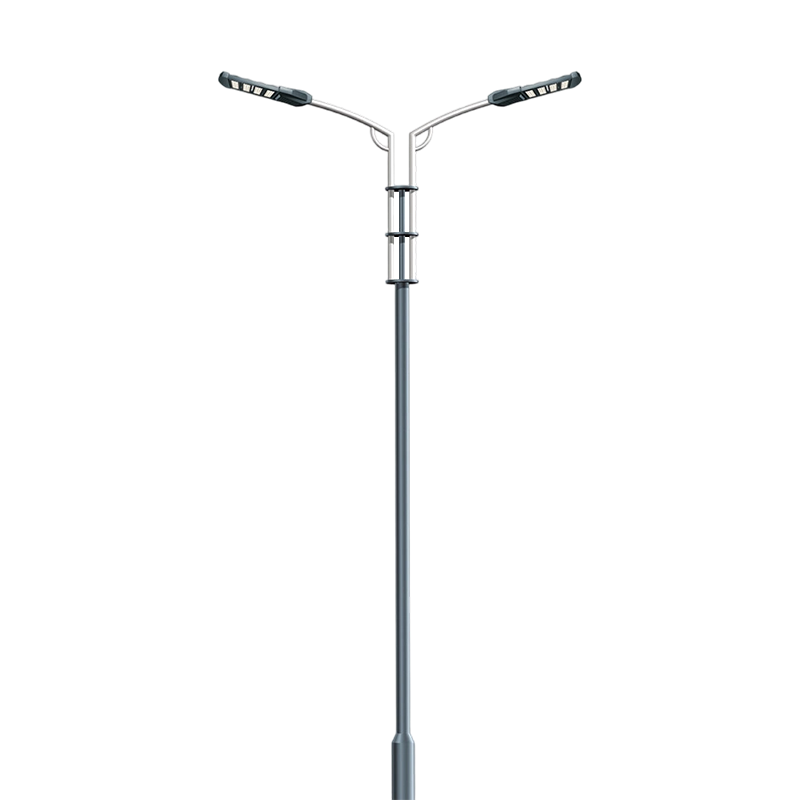
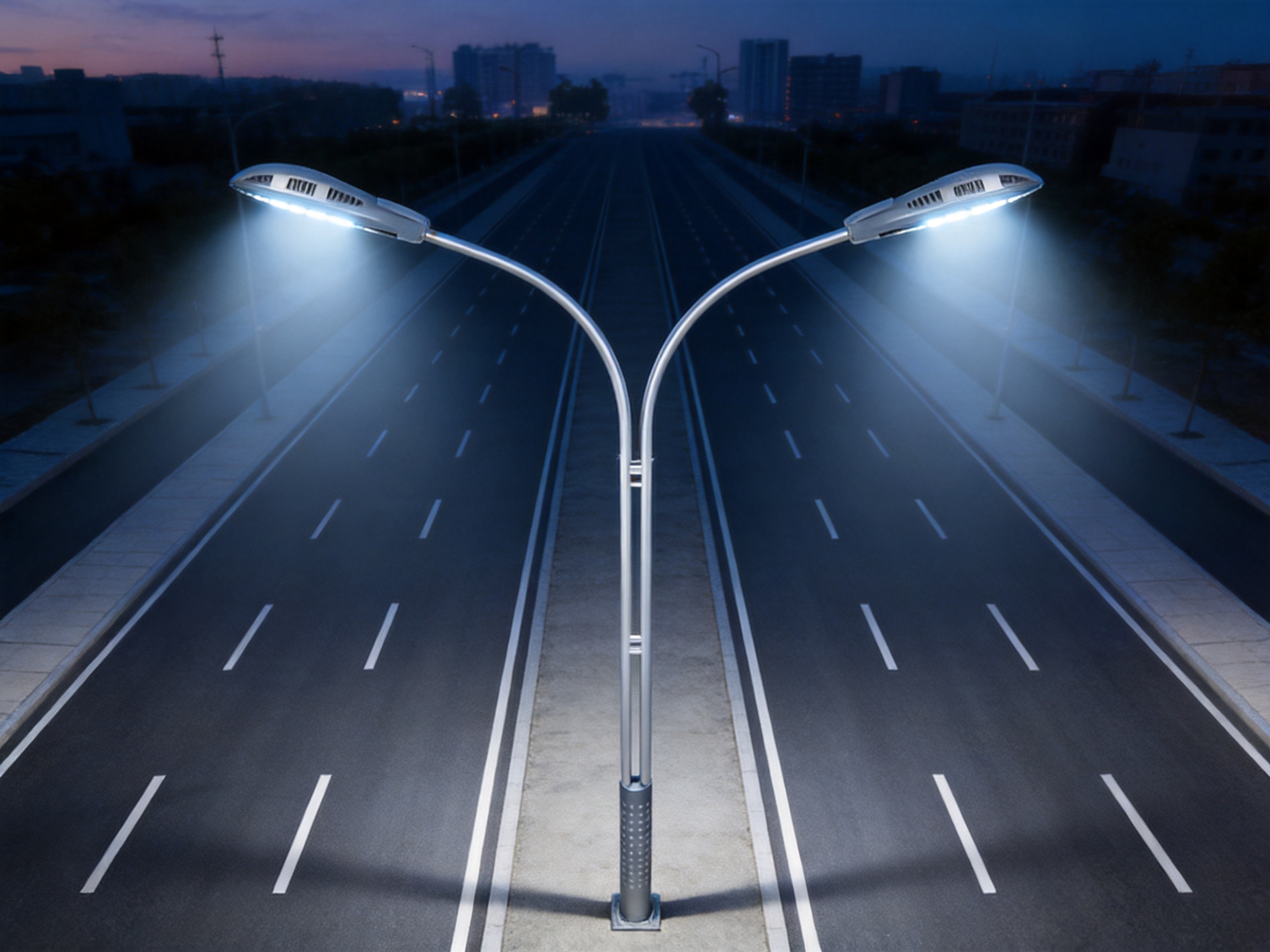
Designed for two-way traffic routes and broad road surfaces, this LED high-low arm light creates a balanced lighting arrangement on both sides of a pole. Its configuration can help reduce dark zones, support more uniform road illumination, and improve the visual comfort of drivers and pedestrians. Compared with basic single-arm roadway lights, the double-arm design offers a practical solution where one central pole must serve multiple lanes, a median, a large intersection, or an expansive public area.
The product is suitable for urban roads, industrial parks, highways, expressways, commercial districts, transportation facilities, and other outdoor locations where reliability and long service life are important. Its aluminum alloy lamp housing, corrosion-resistant pole options, IP65 protection, broad operating temperature range, and 140 lm/W luminous efficiency provide a strong foundation for professional roadway lighting projects.
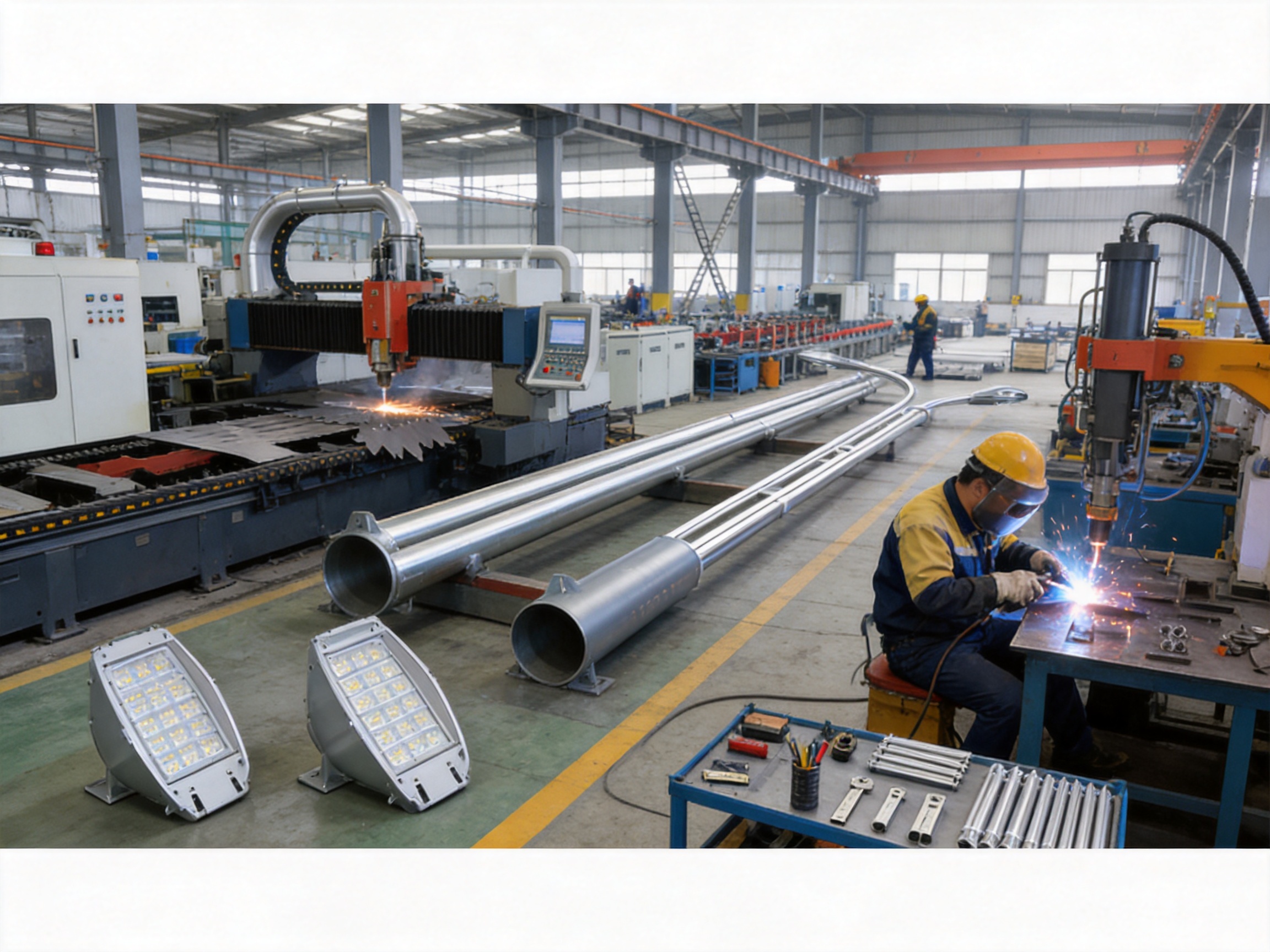
Beyond the product itself, the manufacturing capabilities behind the system are equally important. The production process includes material selection, CNC bending, precision cutting, automated welding, anti-corrosion treatment, quality inspection, and project-oriented engineering support. These capabilities help transform a lighting concept into a complete infrastructure solution with predictable dimensions, dependable structural performance, and practical installation support.
Product Overview and Application Purpose
The Weather-Resistant Type Double-Arm Roadway Light belongs to the LED high-low arm light category. It uses a dual-arm symmetrical arrangement to distribute light toward opposite sides or directions of a roadway. The configuration is especially useful for divided roads, wide carriageways, central medians, large parking areas, intersections, industrial access roads, and transportation corridors.
A conventional single-arm pole generally directs light toward one side of a road. That arrangement can be effective for narrow streets, but broader roads may require additional poles or more complex positioning. A double-arm system can provide illumination from one central structural point, potentially simplifying pole placement and helping project planners achieve a more balanced visual arrangement.
The lamp heads are adjustable, allowing the lighting direction to be aligned with road width, lane orientation, mounting position, and project brightness requirements. This flexibility is valuable because roadway geometries differ considerably. A straight urban road, a broad industrial entrance, and a highway interchange may each require a different aiming angle and light distribution pattern.
The system is built for long-term outdoor use. The pole can be produced from structural materials including Q235, Q355, SS400, GR65, and comparable grades according to project specifications. These material choices provide flexibility for different structural, environmental, and procurement requirements. The lamp housing is made from aluminum alloy, supporting heat dissipation while maintaining a practical balance between weight and durability.
The product operates with an AC85-265V input range and uses LED as its light source. It supports color temperatures from 3000K to 6000K, allowing project owners to select warmer or cooler white light according to the application. Dimming support through DC 0-10V or DALI also enables connection with suitable control systems where adaptive or scheduled lighting is required.
Key Technical Specifications
| Specification | Product Detail | Project Relevance |
|---|---|---|
| Product category | LED High-Low Arm Light | Suitable for two-way roads, broad surfaces, medians, and large outdoor areas |
| Application | Road lighting | Designed for urban roads, industrial zones, expressways, and related infrastructure |
| Input voltage | AC85-265V | Supports a broad range of common AC power conditions |
| Light source | LED | Provides efficient, long-life solid-state illumination |
| Lamp luminous efficiency | 140 lm/W | Supports effective light output with controlled energy use |
| Lamp housing material | Aluminum alloy | Supports corrosion resistance, structural lightness, and thermal management |
| Operating temperature | -35°C to 65°C | Suitable for diverse climatic conditions |
| Ingress protection | IP65 | Protects the lighting assembly against dust and water jets |
| Color temperature | 3000K-6000K | Allows project-specific selection of light appearance |
| Color rendering index | Ra 70 | Provides practical color recognition for roadway environments |
| Dimming | DC 0-10V / DALI | Supports compatible lighting control and energy-management systems |
| Warranty | 5 years | Provides long-term product assurance for project owners |
| Pole height | 6 m-10 m | Suitable for a range of roadway widths and mounting conditions |
The specification profile demonstrates that this is not simply a decorative outdoor lamp. It is a complete roadway lighting assembly intended for infrastructure projects where pole height, electrical compatibility, thermal stability, protection, and service planning must be considered together.
Advantages of the Double-Arm Configuration
Balanced Illumination for Two-Way Traffic
The most visible advantage of the double-arm structure is its ability to direct light toward two sides or two traffic directions. On a divided roadway, each lamp head can be oriented toward a separate carriageway. On a wide undivided road, the two arms can support broader coverage from a central position.
This arrangement may reduce the need to install separate poles along both edges of a road, depending on the lighting design and site conditions. Fewer structural positions can simplify the visual layout of the road and may reduce interference with sidewalks, drainage areas, utility corridors, landscaping, or vehicle access points.
Improved Suitability for Broad Road Surfaces
Road width has a direct effect on pole selection and lamp positioning. A narrow street can often be illuminated with a short outreach arm, while a multi-lane roadway needs greater lateral coverage. The double-arm design helps address this requirement by distributing the optical output in two directions.
The use of adjustable lamp heads adds another level of flexibility. Instead of relying on a fixed orientation, installers can adjust the aiming position to suit the final pole location, lane arrangement, and target area. This can be particularly useful when actual site conditions differ slightly from the original planning drawings.
Efficient Use of Central-Median Positions
Central medians are common locations for roadway poles, but a single-direction luminaire on a median may illuminate only one carriageway. A double-arm light makes better use of the same structural position by serving both sides of the road. This can create a more organized appearance and help reduce the number of isolated poles in the center of the roadway.
For new construction, this configuration can be incorporated into the early civil and electrical design. For renovation projects, it may offer a practical way to replace outdated lighting arrangements without completely redesigning the road edge infrastructure.
Professional Appearance for Public Infrastructure
The symmetrical structure provides a clean and intentional appearance. This is important for major entrances, urban boulevards, industrial parks, logistics centers, and public facilities where the lighting system contributes to the overall visual identity of the environment.
A well-aligned double-arm installation can make a roadway appear more organized while providing functional benefits. The structure is designed for practical service rather than ornamental complexity, which supports straightforward inspection and maintenance.
Weather Resistance and Structural Durability
Outdoor lighting poles are exposed to rain, humidity, ultraviolet radiation, wind, dust, temperature changes, and pollutants. In coastal or industrial environments, airborne salt and chemical substances can accelerate corrosion. A suitable roadway lighting system therefore requires both a strong structural design and an effective surface treatment strategy.
This product series is engineered for weather durability and reliable operation in a broad temperature range of -35°C to 65°C. Such a range supports use in many cold, temperate, hot, and seasonally variable environments. Final suitability should always be confirmed through project-specific structural calculations and local environmental assessment, but the stated operating range provides a strong basis for diverse installations.
The pole can be manufactured using several structural material options, including Q235, Q355, SS400, and GR65. These materials can be selected according to required strength, local standards, wind conditions, pole height, and customer specifications. Material flexibility is an advantage over products available in only one standardized grade because it allows the supplier and project engineer to align the pole design with actual site demands.
Specialized anti-corrosion surface treatments further protect the pole from environmental exposure. The objective is not only to improve initial appearance but also to extend the useful service period and reduce routine maintenance requirements. Proper preparation, coating, curing, and inspection are essential parts of this process.
For projects in severe environments, the selection of surface treatment should be coordinated with local conditions. Coastal roads, chemical plants, ports, and high-humidity areas may require a different coating specification from an inland urban street. A professional manufacturer can review the application environment and recommend a suitable treatment system.
The IP65 rating of the lamp assembly provides protection against dust ingress and water projected by nozzles from various directions. This is appropriate for many outdoor roadway applications. The rating helps protect internal electrical and optical components during rain, cleaning, and normal exposure, provided that installation, cable entry, sealing, and maintenance procedures are properly completed.
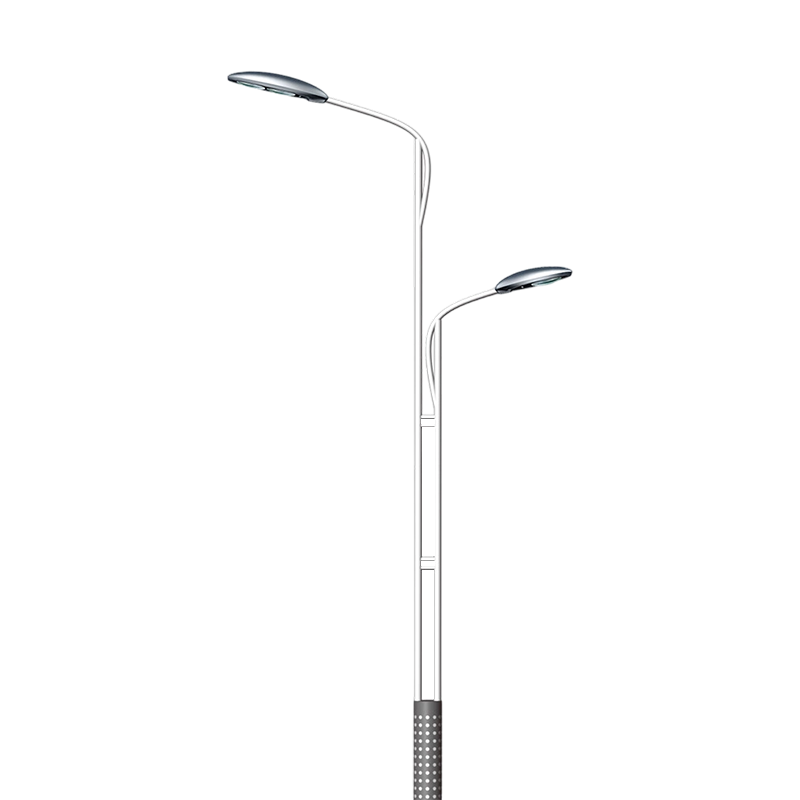
Weather-Resistant Type Double-Arm Roadway Light
High-Efficiency LED Optical Performance
Road lighting must provide more than high lumen output. It must place light where it is needed, maintain acceptable uniformity, reduce unnecessary glare, and avoid excessive spill into adjacent properties or the sky. The optical design of this product is intended to support uniform road illumination while reducing wasteful distribution and light pollution.
The stated luminous efficiency is 140 lm/W. This level indicates a high-efficiency LED lighting platform capable of producing substantial light output relative to electrical input. Actual system performance will depend on LED power, optical lens selection, ambient temperature, driver efficiency, installation height, maintenance conditions, and the lighting design of the site.
Uniform distribution is particularly important on roadways. If illumination changes sharply between bright and dark areas, drivers may experience visual discomfort and reduced ability to recognize obstacles. A well-designed distribution pattern supports more consistent visibility across lanes, shoulders, entrances, and pedestrian movement areas.
The adjustable lamp heads allow the installer to direct the optical output toward the intended road surface. This helps accommodate differences in pole spacing, road width, mounting height, and traffic direction. It also supports more accurate project commissioning because the final orientation can be refined after the poles and road surfaces are in place.
The color temperature range of 3000K to 6000K gives project owners several options. Warmer light can create a softer visual atmosphere in residential or architectural environments, while neutral or cooler white light may be preferred for highways, industrial roads, logistics facilities, and areas where clear visual contrast is important. The final choice should consider local regulations, surrounding land use, environmental policy, and user comfort.
With a color rendering index of Ra 70, the system provides practical color recognition suitable for general road illumination. This supports the identification of vehicles, signs, pavement markings, and surrounding objects. Specialized locations requiring higher color fidelity may require a separate lighting specification, but Ra 70 is a common and functional level for many roadway projects.
Thermal Management and Long-Term Stability
LED technology is efficient, but it still generates heat. If heat is not managed correctly, component temperatures may rise, reducing light output, shortening driver life, and accelerating the aging of internal materials. Stable thermal performance is therefore a critical factor in outdoor lighting reliability.
The aluminum alloy lamp housing supports heat dissipation by transferring heat away from internal components and releasing it into the surrounding environment. The housing must work together with the LED board, thermal interface materials, driver arrangement, ventilation strategy, and external geometry to maintain an appropriate operating temperature.
The product is designed with thermal management in mind so that it can maintain stable operation during extended use. This is especially important for roadway lights because they commonly operate throughout the night and may remain active for long periods without interruption.
Thermal stability also supports consistent light output. A system that experiences excessive heat may suffer from output reduction or premature component failure. By contrast, appropriate heat dissipation contributes to more predictable performance over the service life of the installation.
Project owners should also consider installation conditions. The lamp should not be obstructed by structures that prevent heat from escaping. Electrical connections must be correctly tightened, cable glands must be properly sealed, and the fixture should be maintained according to the supplier’s instructions. Good installation practices are essential to achieving the expected benefits of the thermal design.
Electrical Flexibility and Intelligent Control
The AC85-265V input range allows the lighting assembly to accommodate a broad range of commonly used AC power supplies. This flexibility can simplify selection for projects with different grid conditions or regional electrical practices. The exact power system, protection devices, grounding arrangement, and surge protection should be confirmed during project engineering.
The product supports DC 0-10V and DALI dimming. These interfaces allow the luminaire to be integrated with compatible control equipment. Depending on the selected control system, lighting levels may be adjusted according to time schedules, traffic demand, ambient conditions, or operational policies.
For roads with changing traffic patterns, dimming can help reduce energy use during low-demand periods while preserving higher illumination when traffic activity increases. In industrial parks, the lighting system can potentially be coordinated with shift schedules and security requirements. In urban environments, it may be connected with broader smart-city or intelligent street-lighting platforms.
Control integration should be planned before installation. The project team must confirm compatibility between the LED driver, dimming protocol, central controller, sensors, communication equipment, and power-management system. When properly coordinated, the lighting system can become part of a larger infrastructure network rather than operating as an isolated fixture.
Smart control also supports maintenance planning. Remote monitoring systems may help identify abnormal operation, power interruptions, or communication problems. While the product specification provides the dimming interfaces, the choice of monitoring platform and communication technology depends on the project design.
Manufacturing Quality and Material Control
The performance of a roadway lighting system is strongly influenced by manufacturing consistency. Even a well-designed product can experience problems if material dimensions, welding quality, coating thickness, or component assembly vary excessively. For this reason, the manufacturing process is a central strength of the solution.
Material options include Q235B, Q345B, S275JR, S355JR, Q460, A36, A572, GR56, GR50, and other grades according to project requirements. Maintaining a substantial material inventory can support more responsive production scheduling and reduce the likelihood of delays caused by material shortages.
Material selection is not limited to purchasing a steel grade. It also includes verification of thickness, mechanical properties, surface condition, dimensional tolerance, traceability, and suitability for bending and welding. A disciplined material-control process provides a stronger foundation for pole quality than relying solely on visual inspection after fabrication.
For large infrastructure projects, material availability is particularly important. Delayed poles can affect foundation work, cable installation, road completion, and commissioning. A manufacturer with extensive stock and organized production planning can help maintain a more predictable project schedule.
Precision CNC Bending
Roadway poles often include tapered or shaped sections that must be formed accurately. CNC bending equipment provides controlled and repeatable forming, helping maintain consistent geometry across production batches. Accurate bending supports better alignment of pole sections, base plates, arms, and luminaire mounting points.
Precision bending can also improve structural integrity by reducing unnecessary deformation and minimizing post-production correction. When components fit correctly, welding and assembly become more consistent. This may reduce rework, improve appearance, and support faster manufacturing cycles.
Consistent bending is especially valuable when a project includes many poles with identical dimensions. If each pole varies significantly, installation teams may encounter alignment problems or require additional field adjustments. CNC-controlled forming helps reduce this risk.
High-Accuracy Cutting
The manufacturing process uses cutting equipment capable of approximately 0.01 mm cutting accuracy under the stated production capability. Exact performance should be evaluated according to the material, thickness, machine configuration, and measurement method, but high-precision cutting generally supports clean edges and accurate component dimensions.
Accurate cutting improves the fit between pole sections, flanges, brackets, stiffeners, and other fabricated parts. It can also reduce the need for grinding and manual correction after cutting. Cleaner edges contribute to safer handling and more consistent welding preparation.
For customers, the practical benefit is dimensional reliability. Components that match approved drawings more closely can simplify installation, reduce adjustment time, and improve the finished appearance of the roadway system.
Professional Welding
Welding is one of the most important stages in the production of steel poles and double-arm structures. Welds must provide sufficient strength while maintaining appropriate geometry and surface quality. The manufacturer’s team of certified welders brings specialized experience to this process.
Experienced welders can help control penetration, joint preparation, heat input, weld continuity, and distortion. These factors influence both structural reliability and the quality of later surface treatment. Poorly controlled welds may create stress concentrations, uneven surfaces, coating defects, or alignment problems.
Professional welding is particularly important for double-arm poles because the structure must support two luminaire arms and resist loads from wind, fixtures, and cables. The arm-to-pole connections, base plate, flange, and reinforcing components require careful attention during fabrication.
Automated Production Lines
Automated lines help improve repeatability, production speed, and process control. Automation can reduce variation in cutting, welding, coating preparation, and handling while allowing production teams to manage larger project quantities more efficiently.
Automation does not eliminate the need for skilled personnel. Instead, it combines machine consistency with human supervision, engineering judgment, inspection, and corrective action. The most reliable manufacturing approach uses automation for repeatable operations and experienced technicians for process control and quality verification.
Efficient production can also contribute to cost control. Faster cycles, reduced rework, better material utilization, and organized workflow may help provide competitive pricing without compromising the structural and optical requirements of the product.
Anti-Corrosion Protection and Surface Treatment
Corrosion protection is a major consideration for outdoor poles because surface deterioration can affect appearance, maintenance costs, and long-term structural performance. The product manufacturing process includes specialized anti-corrosion treatment intended to extend the service life of the pole.
A reliable surface-treatment system begins with proper surface preparation. Oil, rust, scale, dust, welding residue, and other contaminants must be removed or controlled before coating. The selected treatment may include galvanizing, powder coating, painting, or a combination of systems according to the application environment and customer requirements.
Coating consistency matters as much as coating selection. Uneven thickness, pinholes, poor adhesion, contamination, and insufficient curing can create weak areas where corrosion begins. Production inspection should therefore include visual checks, thickness measurement where applicable, adhesion evaluation, and review of surface defects.
Color customization is also available as part of the project-oriented service process. While color is primarily an aesthetic decision, it can support visual coordination with urban furniture, road signs, architectural structures, and municipal identity systems. The coating specification should always be selected with both appearance and environmental durability in mind.
In harsh locations, the project owner should provide information about salt exposure, humidity, chemical pollution, temperature, and cleaning practices. This allows the manufacturer to recommend a suitable surface-treatment solution rather than applying a one-size-fits-all finish.
Design and Engineering Support
Roadway lighting projects frequently require more than a standard catalog product. Pole height, arm geometry, wind load, foundation conditions, cable routing, luminaire orientation, and road classification may all vary. Engineering support helps ensure that the final product corresponds with the project’s technical requirements.
CAD design allows the manufacturer and customer to review dimensions, arm positions, base plates, access doors, mounting details, and other important features before production. This reduces ambiguity and creates a clear reference for approval.
Three-dimensional product simulation provides another level of verification. It can help project teams visualize the double-arm structure, assess proportions, review component relationships, and identify potential interference before fabrication begins.
Three-dimensional scene simulation places the product in a representative roadway or infrastructure environment. This can assist with planning pole spacing, visual coordination, road-edge integration, and overall appearance. It is particularly useful for public projects where stakeholders need to review the proposed installation before construction.
Mechanical calculations for wind and foundation conditions are also available. These calculations help evaluate the structural requirements associated with pole height, arm projection, luminaire area, local wind speed, soil conditions, and foundation design. The final engineering should follow applicable local standards and be approved by the responsible project engineer.
Overseas on-site installation guidance provides additional support for international projects. Installation teams can receive assistance with assembly, orientation, electrical connections, foundation interface, and commissioning procedures. Such support helps reduce avoidable installation errors and promotes consistency across large project sites.
Installation and Commissioning Considerations
Before installation, the project team should confirm the approved drawings, pole quantities, foundation dimensions, anchor-bolt arrangement, cable specifications, luminaire orientation, and lifting plan. The foundation must reach the required strength before poles are erected. Anchor bolts should be correctly positioned, protected, and checked against the base-plate pattern.
During erection, the pole should be handled with suitable lifting equipment to avoid impact damage, coating scratches, or deformation. Double-arm structures require attention to balance because the two arms may affect the lifting point and the final orientation. The pole should be aligned and securely fixed before the lighting heads are installed or adjusted.
Electrical installation should include appropriate grounding, overcurrent protection, surge protection, cable sealing, and connection inspection. The IP65 protection level depends partly on proper installation. Open or incorrectly sealed cable entries can reduce the protection of the complete system even when the luminaire itself is designed to meet the rating.
After energizing the system, the commissioning team should verify light operation, dimming response, lamp-head orientation, control-system communication, and illumination coverage. Adjustments can be made to the lamp heads to align the optical output with the roadway and minimize unnecessary spill.
Documentation should include approved drawings, product specifications, installation instructions, test records, warranty information, and maintenance recommendations. A complete document package helps future maintenance teams understand the system and supports orderly project handover.
Maintenance and Service-Life Benefits
Although LED roadway lights generally require less frequent maintenance than older lighting technologies, regular inspection remains important. Maintenance teams should check the lamp housing, mounting bolts, pole surface, access doors, cable entries, grounding connections, and control equipment.
The anti-corrosion treatment helps reduce the frequency of corrective surface work, while the durable structural materials support long-term outdoor service. However, harsh environmental exposure, accidental impact, unauthorized modifications, and poor drainage can still affect performance. Routine inspections help identify small problems before they become major repairs.
The modular design simplifies inspection and supports system upgrades. If a driver, control module, optical component, or mounting part requires attention, a modular arrangement can make access more straightforward than a highly integrated structure that must be replaced as a single unit.
Dimming compatibility may also support operational savings and maintenance planning. By reducing output during low-use periods, a project may lower energy consumption and operating stress. Control data may help operators identify lamps that are not responding correctly or that require attention.
The five-year warranty period provides an additional level of assurance for project owners. Warranty coverage should be reviewed together with the installation conditions, electrical requirements, environmental limits, maintenance responsibilities, and commissioning records.
Comparison with Conventional Roadway Lighting Options
When compared with conventional high-pressure sodium or metal-halide systems, the LED double-arm roadway light offers several practical advantages. LED technology can provide higher luminous efficiency, more precise optical control, faster startup, easier dimming, and improved compatibility with intelligent control systems.
Compared with basic single-arm LED poles, the dual-arm configuration is better suited to two-way illumination and broad road surfaces. It can provide a more balanced arrangement from a central position and may reduce the need for separate poles on both sides of a divided roadway.
Compared with low-cost products made with limited material and coating choices, the project-oriented manufacturing process provides greater flexibility in structural grades, dimensions, colors, pole heights, and engineering documentation. Customers can request a solution that better reflects local wind conditions, road geometry, environmental exposure, and aesthetic requirements.
Compared with products manufactured without integrated design support, this solution benefits from CAD drawings, three-dimensional simulations, wind and foundation calculations, customization, and installation guidance. These services can reduce the gap between a standard product and the actual requirements of a construction project.
It is important to note that product selection should not be based on a single specification. Luminous efficiency, pole material, coating system, optical distribution, thermal design, electrical compatibility, structural calculations, warranty conditions, and supplier support should all be evaluated together. The strength of this product lies in the combination of these factors.
Application Scenarios
Urban Thoroughfares
Urban roads often combine multiple lanes, pedestrian movement, landscaped medians, commercial buildings, and nearby residential areas. A symmetrical double-arm system can provide organized illumination while allowing designers to select a color temperature and aiming direction that suit the surrounding environment.
Industrial Parks
Industrial parks require dependable lighting for employee movement, freight vehicles, security patrols, loading areas, and shift-based operations. The broad operating temperature range, durable construction, adjustable heads, and dimming compatibility make the system suitable for demanding industrial roads.
Expressways and Transportation Corridors
Expressways and major transportation corridors require consistent visibility over long distances. The double-arm configuration can be used in medians or other planned positions, while the efficient LED optical system supports clear road-surface illumination. Final selection must follow the applicable highway lighting and safety standards.
Commercial and Public Facilities
Shopping districts, public venues, logistics centers, campuses, and transportation hubs often need lighting that combines functional performance with a clean visual appearance. The product’s customizable pole structure, color options, and professional finish can support coordinated infrastructure design.
Roadway Renovation Projects
For retrofit work, the adjustable lamp heads and broad electrical input range may help the system adapt to existing conditions. Before replacement, the project team should inspect the foundation, anchor bolts, cable routes, pole spacing, and existing control equipment to confirm compatibility.
Project Customization Options
Customization begins with the pole height. Available heights range from 6 meters to 10 meters, allowing the project team to select an appropriate mounting position for the road width and required illumination area. The final height should be confirmed through lighting calculations and structural analysis.
Material selection is another important option. Q235, Q355, SS400, GR65, and other structural grades can be considered according to project requirements. The choice may depend on local standards, wind conditions, load calculations, procurement preferences, and the desired balance between strength and cost.
Color temperature can be selected from 3000K to 6000K. Dimming interfaces can be specified according to the intended control platform. Pole color, coating system, arm geometry, lamp-head orientation, access-door position, and foundation interface may also be coordinated during the design stage.
Customization should be completed before mass production. Clear drawings, technical specifications, approval samples, and project schedules help avoid misunderstandings. A structured approval process can reduce changes during fabrication and support smoother installation at the site.
Company Manufacturing and Industry Strengths
Yangzhou Jinyuan Lamps Co., Ltd. is affiliated with Jinshang Electric Group and has operated in the road illumination industry since 2002. The company focuses on production, design, and engineering services for street light poles, LED street lights, solar street lights, light fixtures, and related infrastructure products.
The company’s manufacturing site covers more than 70,000 square meters and is supported by more than 300 professional technicians. Its products are exported to more than 200 countries, giving the organization experience with different project environments, customer expectations, and international procurement requirements.
Its quality and environmental management systems include ISO9001 and ISO14001, while OHSAS18001 supports an occupational health and safety management framework. These certifications indicate an organized approach to process management, environmental responsibility, and workplace safety, subject to the scope and validity of the applicable certification documents.
The production facility includes bending machines, electrostatic powder-painting equipment, automatic welding and cutting machines, and a 1250-ton die-casting machine. This equipment base supports a broad range of manufacturing operations, from structural pole fabrication to lighting-component production.
A manufacturer with integrated production capabilities can coordinate more stages internally. This may improve communication between design, fabrication, coating, assembly, and quality-control teams. It can also support more efficient customization because project changes can be reviewed within a connected production system.
Why This Product Is a Strong Competitive Choice
The product’s competitive value comes from its complete configuration rather than one isolated feature. It combines dual-arm coverage, adjustable optical direction, high luminous efficiency, IP65 protection, aluminum alloy housing, broad operating temperature capability, dimming support, structural material flexibility, and professional engineering services.
Many low-cost roadway lights compete primarily on initial purchase price. However, infrastructure owners must also consider installation labor, foundation coordination, energy consumption, surface treatment, replacement access, maintenance frequency, and supplier responsiveness. A product that is engineered and manufactured with these factors in mind may provide stronger overall project value.
The five-year warranty, modular design, and installation support further strengthen the product’s position for professional projects. These features can provide customers with greater confidence during procurement, construction, commissioning, and long-term operation.
The manufacturing process is another differentiating factor. CNC bending, precision cutting, professional welding, automated production, material availability, and anti-corrosion treatment create a more reliable foundation than uncontrolled fabrication. Consistency is especially important when a project requires dozens, hundreds, or thousands of matching poles.
Finally, the ability to support CAD design, three-dimensional simulation, wind and foundation calculations, color customization, and overseas installation guidance makes the supplier more than a component vendor. It positions the company as a project partner capable of supporting the complete path from concept to finished roadway installation.
Quality Assurance Checklist for Buyers
Before ordering, buyers should confirm the required pole height, road width, pole spacing, lamp power, optical distribution, color temperature, dimming method, input voltage, and installation environment.
The structural specification should identify the selected material grade, pole thickness, arm dimensions, base-plate design, anchor-bolt arrangement, wind-load assumptions, and foundation requirements.
The surface-treatment specification should state the preparation method, coating type, expected thickness, color, corrosion environment, inspection method, and packaging requirements.
The electrical specification should define the driver, surge protection, grounding method, cable entry, dimming interface, control compatibility, and testing procedure.
The project agreement should also clarify production lead time, inspection arrangements, packaging, shipping documentation, warranty terms, spare parts, technical support, and installation guidance.
Q&A
What type of roadway is suitable for this double-arm light?
The product is suitable for urban thoroughfares, divided roads, industrial roads, expressways, commercial areas, public facilities, and other broad outdoor surfaces. It is particularly useful where illumination is required in two directions from a central pole position.
What is the main advantage of the symmetrical dual-arm structure?
The dual-arm structure allows two lamp heads to direct light toward opposite sides or directions. This can improve coverage for two-way traffic and make more efficient use of median or central-pole locations.
Can the lamp heads be adjusted after installation?
The product includes adjustable lamp heads. Installers can align the lighting direction with the road width, lane arrangement, pole position, and project illumination requirements during commissioning.
What input voltage does the product support?
The specified input voltage range is AC85-265V. The complete electrical installation should still be designed with suitable protection, grounding, cabling, and local electrical standards.
Is the product compatible with dimming systems?
Yes. The product supports DC 0-10V and DALI dimming interfaces. Compatibility with a specific control system should be verified before ordering and installation.
What does the IP65 rating mean?
IP65 indicates protection against dust ingress and water projected from various directions. Proper installation of cable entries, seals, covers, and electrical connections is necessary to maintain the protection of the complete installed system.
What is the operating temperature range?
The stated operating temperature range is -35°C to 65°C. Actual project suitability should also consider direct solar exposure, enclosure conditions, local weather patterns, and installation practices.
What materials can be used for the pole?
Available structural material options include Q235, Q355, SS400, GR65, and other grades according to project requirements. The final selection should be based on structural calculations, local standards, wind conditions, and customer specifications.
What pole heights are available?
The stated pole height range is 6 meters to 10 meters. The correct height depends on road width, pole spacing, lighting calculations, wind load, and foundation design.
How does the aluminum alloy housing support product performance?
The aluminum alloy housing provides a practical combination of low weight, structural durability, corrosion resistance, and heat dissipation. It helps transfer heat away from internal LED and driver components when used with a properly designed thermal system.
Does the manufacturer provide design support?
Yes. Available services include CAD design, three-dimensional product simulation, three-dimensional scene simulation, specification and color customization, mechanical calculations for wind and foundation conditions, and overseas on-site installation guidance.
How does CNC bending benefit the finished pole?
CNC bending helps provide repeatable dimensions and consistent geometry. This supports better alignment, more reliable assembly, fewer post-production adjustments, and improved consistency across large orders.
Why is professional welding important for a double-arm pole?
Welding connects the main pole, arms, base plate, and structural components. Proper welding helps ensure strength, alignment, durability, and a surface condition suitable for subsequent anti-corrosion treatment.
What warranty period is provided?
The listed warranty period is five years. Buyers should review the complete warranty terms, including environmental limits, electrical requirements, installation conditions, maintenance responsibilities, and claim procedures.
Can this product be used in a retrofit project?
It can be considered for roadway renovation projects, provided that the existing foundation, anchor bolts, cable routes, pole spacing, electrical supply, and control system are compatible with the new design.
Conclusion
The Weather-Resistant Type Double-Arm Roadway Light is designed for infrastructure projects that require dependable illumination, structural durability, efficient energy use, and practical long-term service. Its symmetrical dual-arm configuration provides a strong solution for two-way traffic, broad roads, central medians, industrial areas, and transportation corridors.
Its 140 lm/W luminous efficiency, adjustable lamp heads, 3000K-6000K color-temperature range, IP65 protection, aluminum alloy housing, AC85-265V input, DC 0-10V and DALI dimming support, and five-year warranty form a well-rounded technical package. The wide operating temperature range and corrosion-resistant construction further support use in diverse outdoor environments.
The product is also strengthened by the manufacturing capabilities behind it. Material control, CNC bending, precision cutting, certified welding, automated production, surface treatment, and engineering services help ensure that the finished system is consistent with project requirements. CAD design, three-dimensional simulation, wind and foundation calculations, customization, and installation guidance provide additional value beyond the lamp itself.
For project owners, contractors, distributors, and lighting designers, the system offers a balanced combination of performance, flexibility, durability, and manufacturing support. When selected through proper lighting calculations and installed according to approved engineering documentation, it can contribute to safer roads, improved visibility, lower maintenance demands, and more professional outdoor infrastructure.
References
1. Product technical information for the Weather-Resistant Type Double-Arm Roadway Light, including electrical, optical, structural, environmental, and control specifications.
2. Manufacturer-provided information concerning LED roadway lighting, street light poles, manufacturing equipment, engineering services, and quality-management practices.
3. General principles of outdoor lighting design, including roadway illumination, optical distribution, glare control, uniformity, and maintenance planning.
4. General engineering practice for steel pole fabrication, CNC bending, precision cutting, structural welding, surface preparation, and corrosion protection.
5. General guidance for ingress protection classifications and the application of IP-rated outdoor electrical enclosures.
6. General principles of LED thermal management, driver operation, dimming interfaces, and intelligent roadway lighting control.